|
Bachelet: on course for a nicer kind of victory |
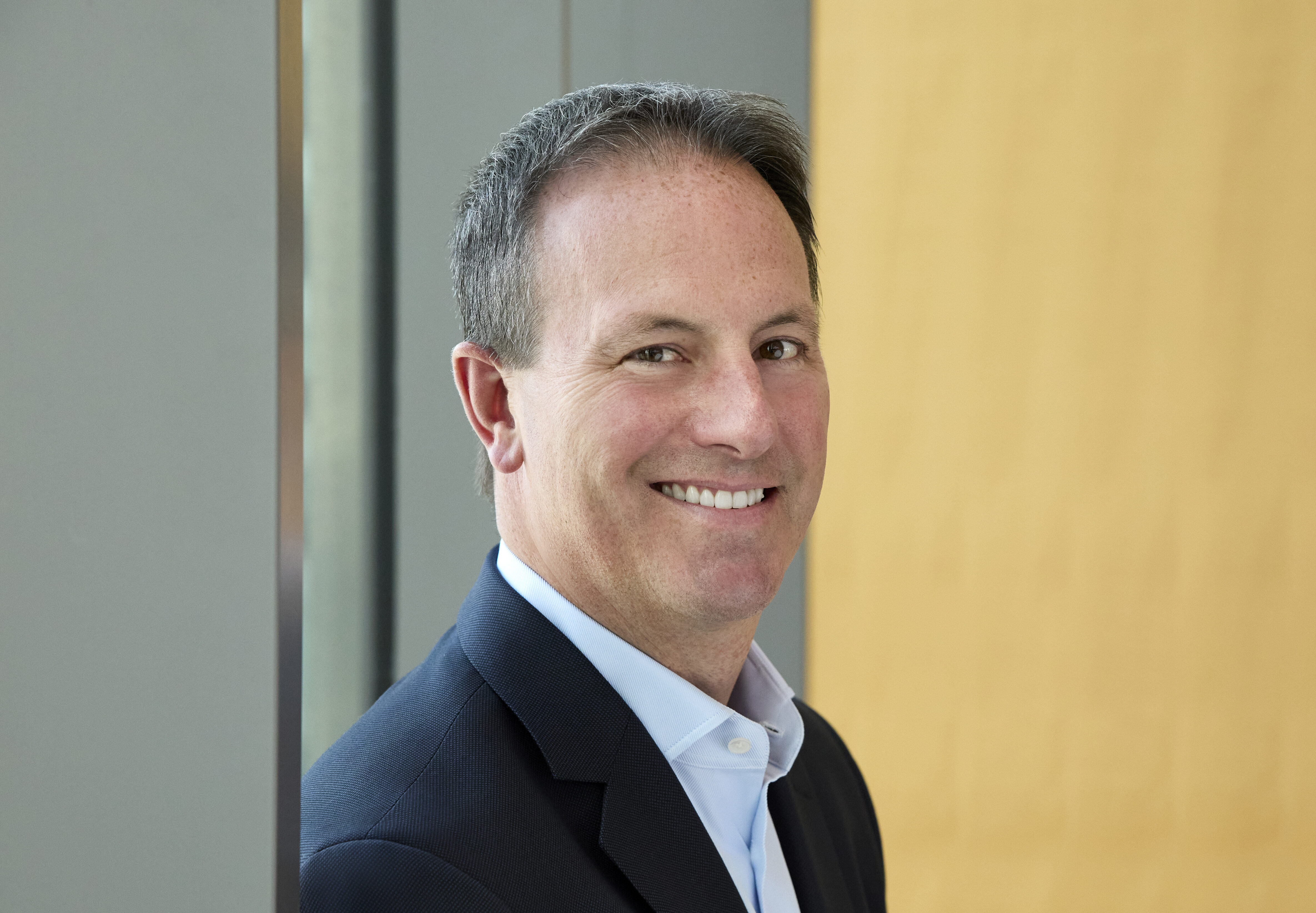
Chile’s leading presidential candidate, leftist Michelle Bachelet, does not preach change, the archetypal mantra of the aspiring Latin American leader. That would be a tough sell since outgoing president Ricardo Lagos is a fellow socialist and has a 60% approval rating. Instead, she speaks of making Chile “friendlier, nicer, more loving”. Well ahead in the polls and expected to win the December elections, the 54-year-old doctor could be forgiven for feeling there is little work to do after Chile’s 15 years of economic growth, stability and prosperity in a region better known for its political turmoil. Indeed, Chile’s elections are a ho-hum affair and Bachelet, a former defence minister who will be Chile’s first female president if she wins, is likely to be the fourth consecutive leader from a centre-left coalition that has welcomed free-market economic policy. “There’s an unspoken agreement in Chile that the best politics are by a centre-left administration with centre-right economics,” says a senior government aide.
A continuation of centre-right policies will sound sweet for investors. According to Bachelet’s economic adviser, Andres Velasco, her government will maintain an average budget surplus of 1% of GDP over the next five years, allowing Chile to save during the current period of growth and increase social spending in the case of any downturn. Lagos had indicated that such a surplus was no longer necessary. “One percentage point may appear technical, but it is not,” says Velasco.
Opposition right-wing politicians Joaquin Lavin, a former mayor, and Sebastian Pinera, a major shareholder in Chile’s LAN Airlines, trail Bachelet, each with 20% of the potential vote, while Bachelet has a 45% showing. Pinera has proposed reducing the
surplus until it reaches zero in 2010. Chile’s budget surplus was 2.2% in 2004 and the government used some of the excess cash to prepay debt. The surplus is likely to reach 3.8% this year, one of the country’s highest ever, helped by booming sales of copper, wood pulp, wine, fresh fruit and salmon.
Bachelet aims to promote Chile’s position as a major trade hub in the Pacific, and to reduce its reliance on copper, the country’s top export. Enjoying free-trade agreements with Europe, the US and Asia, Chile can, “if we act intelligently, make itself a bridge between the southern cone of America, the Asia-Pacific region, Nafta and the European Union,” she says.