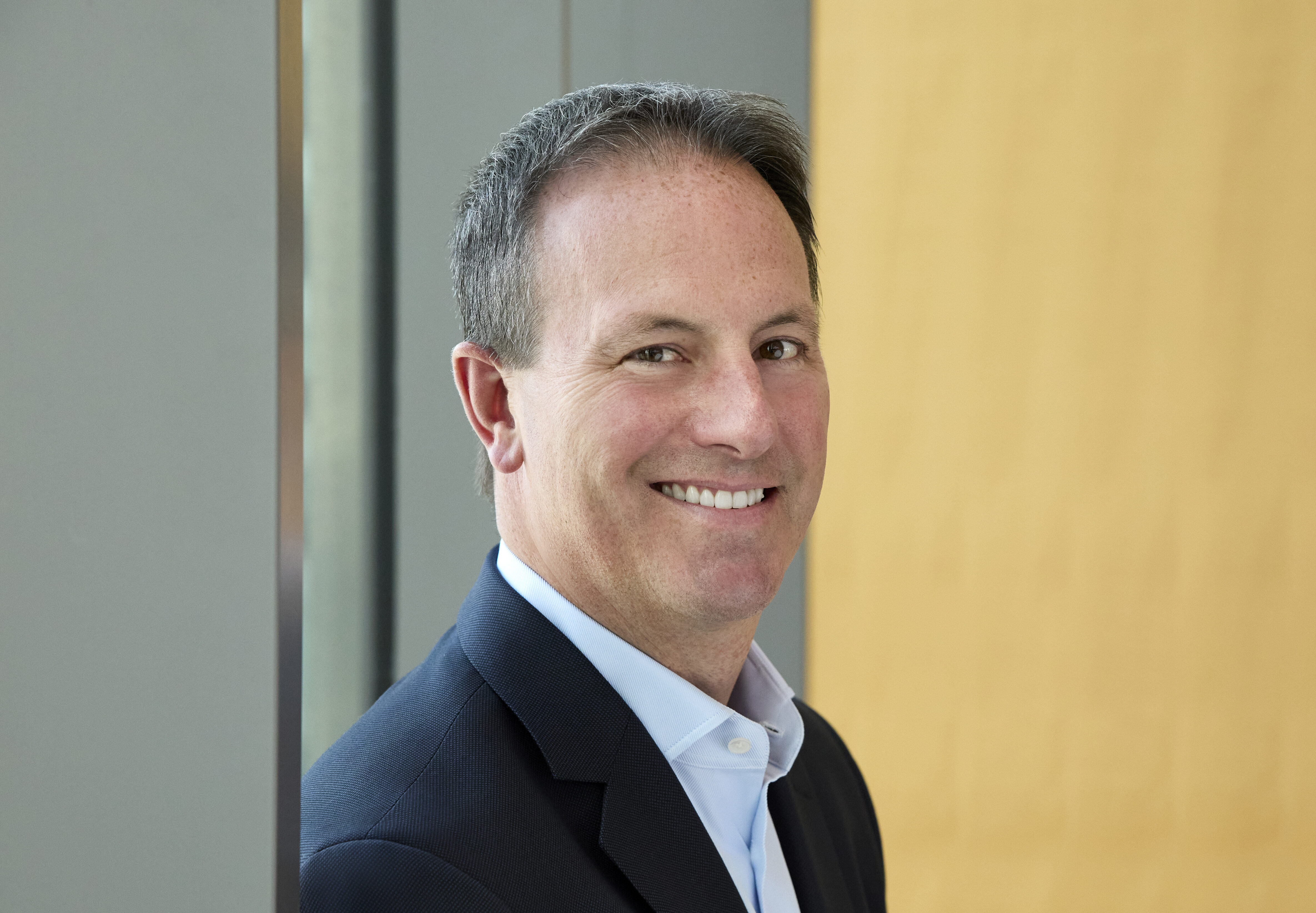
The biggest ever mutual fund scandal is staring us in the face, reckons Henry Blodget. All that is needed is for an aggressive prosecutor to capitalize on the obvious.
| Henry Blodget |
ONE OF THE morals of recent financial scandals is that companies can no longer rely on industry regulators to determine what is or isn’t okay. Aggressive prosecutors have not only cited infractions of existing laws – late-trading, bid-rigging, for example – but have also criminalized industry practices that have been rubber-stamped by regulators for years. Whether such practices are regarded as illegal or should be so regarded is almost beside the point. Allegations can be as damaging as convictions, so careful companies must comply not only with today’s precedents but also tomorrow’s.
Bear markets for stocks are bull markets for regulation, and this one might last a while. So even as fund companies lick wounds from late-trading and market-timing allegations, they should consider what’s likely to hit next.
A loser’s game
Academics have essentially proved that active fund management, for the fund customer, is a loser’s game. The vast majority of active funds underperform passive benchmarks. So the vast majority of customers of active funds pay billions of dollars in exchange for, at best, nothing. If these findings were in dispute, there wouldn’t be a problem. But, to my knowledge, they aren’t.
Most fund companies do an exceptional job of disclosing the risks of specific funds, and they don’t guarantee that the funds will perform better than relevant benchmarks. In many cases, they don’t even suggest that the funds have any benchmarks – investment goals are simply described, for example as “capital appreciation” or “current income”. So the legal risk to the fund companies wouldn’t stem from what they say. It would stem from what they don’t say.
They fail to point out that if a customer buys a high-cost active fund, the odds are that he or she will pay more and get worse returns than if the investment was put into a low-cost passive fund. The fund companies charge higher fees for active funds than for passive ones. So – voilà – there’s a conflict of interest.
If fund companies were ordinary retailers or manufacturers, basing a fraud allegation on such an omission would be silly: it isn’t illegal (or even unethical) to fail to inform customers that products other than the one being touted are cheaper or better. Fiduciary duty, however, requires that service providers act in the best interests of clients. Funds, for example, have a fiduciary duty to fund shareholders.
The question is whether, in this age of fund supermarkets, the fund company has a fiduciary duty when helping customers to choose funds. If it does, an aggressive prosecutor might allege that selling active funds without promoting cheaper and probably superior passive alternatives amounts to failing to act in the customer’s best interest.
What is the potential liability? According to the Investment Company Institute, approximately $3.8 trillion is currently invested in US equity funds, compared with about $53 billion in 1980. Assuming average assets of $1.9 trillion and an average active over passive fee premium of about 1% a year, investors have paid the fund industry something like $450 billion for active management over the past 25 years. The few funds that do manage to beat benchmarks wouldn’t be exposed – no-one sues because of success – and some assets have been indexed all along. So call the potential liability $300 billion.
The keys to alleging fraud are knowledge and intent. Prosecutors, therefore, would probably look for emails in which senior executives discuss books like The Loser’s Game or A Random Walk Down Wall Street or debate threats from low-cost fund firms such as Vanguard. Email being what it is, someone will no doubt have made a complaint or wisecrack about how the fund complex is profiting from its customers’ ignorance.
Wealth warning
What could fund companies do to protect themselves? First, they could stop presuming even basic knowledge or competence on the part of their customers. If there was a time when the buyers of financial products were expected to do some homework, it is ancient history. Second, they could make active-management fees contingent on whether funds beat their benchmarks and refund the lion’s share when they don’t (a long-shot – unlike buyers of funds, the fund companies presumably know a losing proposition when they see one). Third – and this is the easiest solution – they could beef up disclosure.
Full disclosure for an active fund might look something like this:
WARNING: Academic studies have shown that the vast majority of actively managed funds like this one underperform cheaper index funds. The incremental fees you pay us for trying to beat a passive benchmark, therefore, will almost certainly be wasted. For every $100,000 you invest, odds are you will burn about $1,000 per year. Over 10 years, this would cost you more than 10% of your original investment.
Or, funds could just plaster their web sites with cigarette-style warning labels: Active management is hazardous to your wealth.
Henry Blodget built a reputation as a star internet analyst at CIBC Oppenheimer and later at Merrill Lynch. Then, last year, the SEC, NYSE and the NASD alleged that he had made remarks in private emails that were inconsistent with published research reports. The case never went to court and Blodget neither denied nor admitted the charges. However, he agreed to pay a fine and disgorgement totalling $4 million and to be permanently prohibited from working in the securities industry. Deprived of this source of income, Blodget is putting his inside knowledge to good use as a writer.
To read a detailed disclosure statement Henry Blodget wrote for Slate magazine, please click here.