“We’ve got three dollars to the pound,” used to be one of the songs favoured by England’s Barmy Army cricket fans on their tours to Australia. The slur on Australia’s sliding currency, sometimes dubbed the Aussie peso, was one of the few ways they could get back at their hosts, who regularly thrashed them on the field.
The Aussie dollar is claiming back lost ground but against a rise in English sporting stock. For Sydney has just seen a rare breed of Englishman emerge – a world champion sports team. But though Sydneysiders may be crying into their fizzy beer after witnessing England carry off the Rugby World Cup, they can take some consolation from the new piles of cash in their bank accounts.
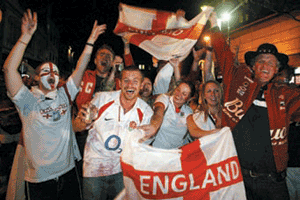
The price of glory The state government of New South Wales said the six-week event attracted 100,000 visitors and generated A$350 million (US$254 million) for its economy. Much of that would have come from the tens of thousands of English fans who invaded the city for the final week of the tournament desperate to see England beat Australia – at any price.
While the government slapped a room rate cap on Sydney’s hoteliers for the Olympics in 2000, there was no such restriction this time around and with the cash-rich Poms in town, the gloves were off. Rooms were going for up to A$1,300 a night but the hotels were unapologetic. “Sydney has underpriced itself too often,” says a spokesman for Accor Hotels.
Some fans bypassed the accommodation problem completely by simply coming for one evening only and spending the whole night out partying. Surely, it was one of the craziest weekend breaks ever undertaken.
And as the party gave way to the hangover, the country was returning to normal and absorbing mixed news about the state of the nation. The price of gold, such a big influence on the Australian economy, broke through US$400 an ounce, topping a two-and-a-half year bull market in which the yellow metal’s value has risen by more than 50%. As that is still nowhere near the 1980 high of more than US$800, gold bugs believe it still has plenty of scope to climb further.
Meanwhile fears of interest rate hikes served to dampen the stock market, with the Reserve Bank of Australia expected to follow its 25 basis point increase to 5% in November with a further tightening this month.
In the capital markets, ANZ hit the headlines with the country’s largest ever rights issue of A$3.6 billion as it pushed for its acquisition of National Bank of New Zealand. The two-for-11 issue, managed by Morgan Stanley and Citigroup, attracted shareholders keen on getting ANZ shares at a discounted A$13 each. Nevertheless, the bank still had to seek A$200 million from institutions as it fell slightly short of the target. However, the issue went a long way towards raising the A$4.92 billion that ANZ is paying Lloyds TSB for NBNZ. The rest will come from a hybrid issue in the US.
Investment banking activity like this helps Sydneysiders feel able to stake a claim to be on the world map of capital markets, though even they would have to concede that they lag behind the powerhouses of New York or London. But the cost of living is starting to equate. The average house price in Sydney is now A$500,000, with mortgage repayments around $33,500 a year, putting owning a home in the city further out of reach for most people – a familiar complaint heard across the world’s financial capitals. The situation looks set to worsen across Australia. House prices in Sydney have risen 30% in the past year; Brisbane’s by an even more staggering 46%.
But the cost of living certainly wasn’t bothering the English fans in Darling Harbour, or the Barmy Army backpackers at Coogee Bay Hotel. The beers were being sunk almost faster than they could be poured. Liberated from England’s oppressive licensing restrictions, rugby fans were also setting new stamina records. “They never sleep,” one of the amazed bar staff told a TV news bulletin.
Winning the lottery The owners of Bar 26 in Darling Harbour were some of the few Australians to be celebrating the English victory. As the tournament reached its closing stages, fans of New Zealand, South Africa, Australia and England were encouraged to congregate at four bars around the harbour, each backing one of the teams. Which bar got which team was decided by a lottery and stories were circulating that when Bar 26 pulled out the England ticket its owners started thumbing through the yacht brochures in celebration.
Did all the rugby fans’ spending simply provide a one-off multi-million dollar boost or was this a turning point in the troubled A$70 billion tourism industry? The federal government clearly believes more stimulus is required and has announced a A$235 million rescue plan for the next five years to sell Australia at home and abroad.
As the bunting and flags started coming down on Sunday evening after the cup final, only at Bar 26 did the party still seem to be in full swing in downtown Sydney, with white-shirted England fans still attempting to drink their own body weight in beer. While shops on Monday morning were throwing World Cup T-shirts and other memorabilia into the bargain bins any English kit remained at full price.
The Barmy Army may no longer get three dollars to the pound, but even at today’s higher prices, winning the world cup was the sale of the century.


