Dubai’s momentum is much talked about. Even in the underwater-themed tranquillity of the Al Mahara restaurant of Dubai’s seven-star Burj Al Arab hotel you can’t escape it. In fact the sharks swimming next to your gin and tonic and the delightful scoop of yoghurt, coriander and mint sorbet only reinforce the impression of prosperity and dynamism that the city exudes.
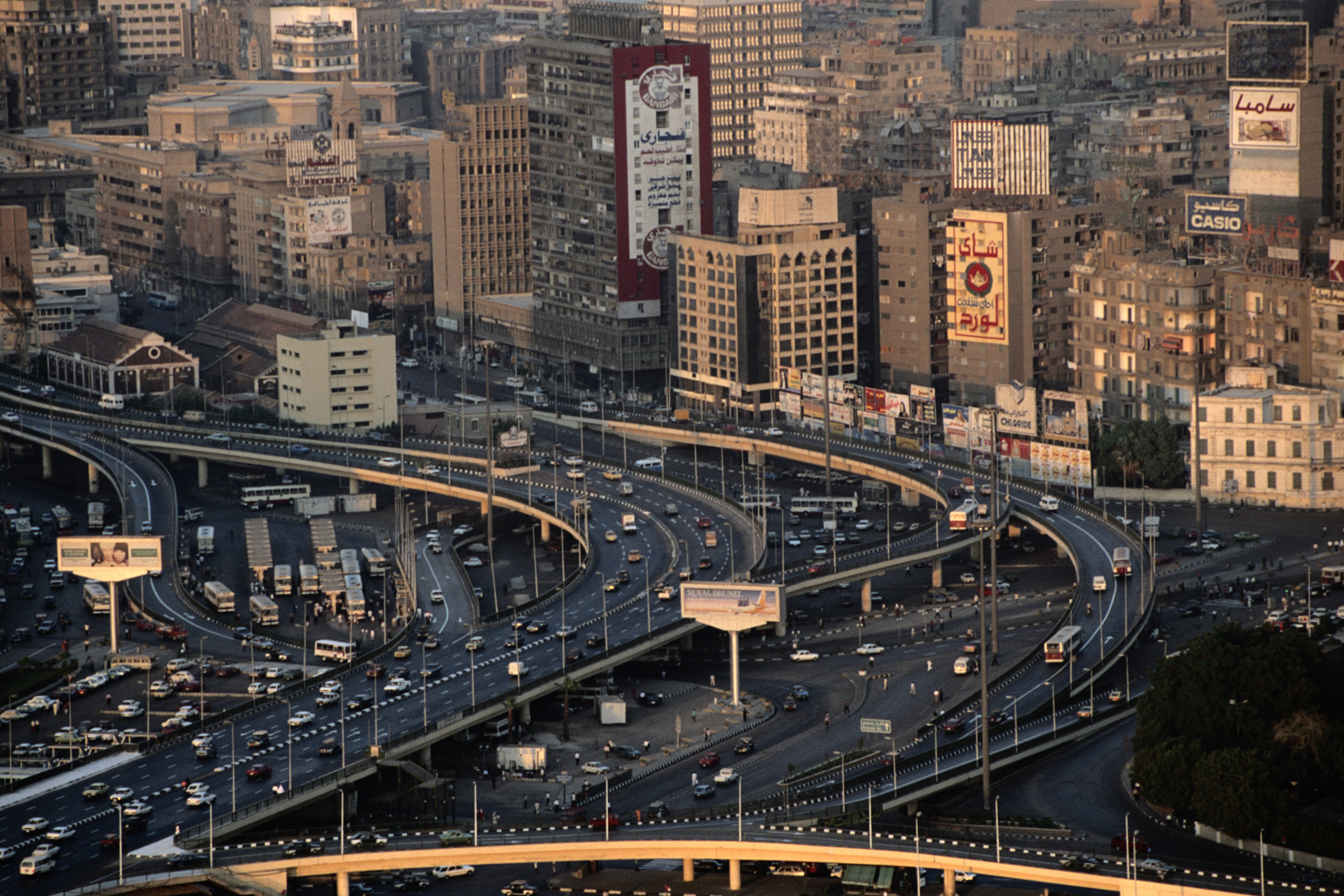
Dubai’s rapid development over the past 20 years has transformed the emirate. There used to be little outside of the Creek, Dubai’s old port town, and Bedouin roaming in the outlying dunes. Today Dubai stretches to Jumeirah and Jebel Ali, the world’s largest man-made port, 20 kilometres away. And there is not a Bedouin in sight. In fact there aren’t many native-born citizens anywhere. Some 90% of the population are expatriate workers, mainly from the Indian subcontinent and the Philippines, but including large numbers of Britons and other Europeans.
The emirate has grand ambitions and, it seems, the money and will to make them happen. The evidence is even visible from the orbiting International Space Station (ISS) with the naked eye. Jutting out into the Persian Gulf from the tip of Dubai is Palm Island, a massive luxury residential housing and resort project built on reclaimed land, shaped to resemble a date palm. Work is well under way and a second project is planned. The developer estimates that the fill materials used to create just one of the palms is enough to build a wall two metres tall and half a meter thick that would encircle the globe three times.
There is talk of an even more outlandish project – man-made islands shaped and placed to look like a map of the world.
Although cosmonauts on the ISS may not be able to see it so clearly, Dubai’s plan to turn itself into an international finance hub is just as ambitious. It decided 18 months ago that it wanted to be the finance capital of the Middle East, a world-class financial centre such as the region has never seen. So it created the Dubai International Financial Centre.
The DIFC hired leading regulators from around the world to create the legal and regulatory framework. Phillip Thorpe, the chief executive of the DIFC’s regulatory authority and a former managing director of the UK’s Financial Services Authority, now claims they are just weeks away from having the most important legislation in place.
A key part of the DIFC will be a regional stock exchange. “There is huge growth in Dubai and the region but no proper capital market for companies to go to,” says Thorpe. “A big reason for that is to do with the regulatory and legal environment. There is simply no market in the region with standards that big firms would accept. There are a large number of corporates in the region with no access to equity markets – as many as 100 companies in the region the size of Emirates Group aren’t listed, and in the UAE alone there are 1,000 companies of a size where they should consider listing. The potential is huge.”
The Middle East, particularly the Gulf Cooperation Council countries, would undeniably benefit from a modern liquid stock exchange. But foreign portfolio investors will need to see results before they are convinced. One American economist based in the GCC describes the proposed regional stock exchange as a non-event. “Things have a tendency to move very slowly here and it could be years before we see anything,” he says.
Ideal chance to show commitment But this month Dubai will have a unique opportunity to roadshow its projects. Some 20,000 guests are expected at the IMF/World Bank meetings, providing an ideal audience for Dubai’s efforts to persuade the financial world that it is committed to achieving a world-class centre. The commitment can be seen in the impressive speed with which the legislation for the DIFC was drafted and in the $1 billion already spent on the acquiring 98 acres of undeveloped land for its buildings. Construction of Health City nearby is also under way, another example of efforts to make Dubai an attractive place to live.
In August preparations were in full swing for the meetings. From the 49th floor of the Emirates Towers, the tallest building in Europe and the Middle East, what looks like the world’s largest car park has been laid out for delegates. And back at the Burj Al Arab hotel, the submarine that is available for guests at the Al Mahara underwater-themed restaurant is undergoing maintenance to ensure that all is well for the IMF delegates.
Despite the summer heat – temperatures reach the mid-40s Celsius – the massive construction projects across Dubai give it the impression of a boomtown.
Momentum is everyone’s mot du jour and there is a palpable sense of excitement in the financial community that Dubai at last has the solid support of business and the local and federal governments to achieve some real progress towards its goals.