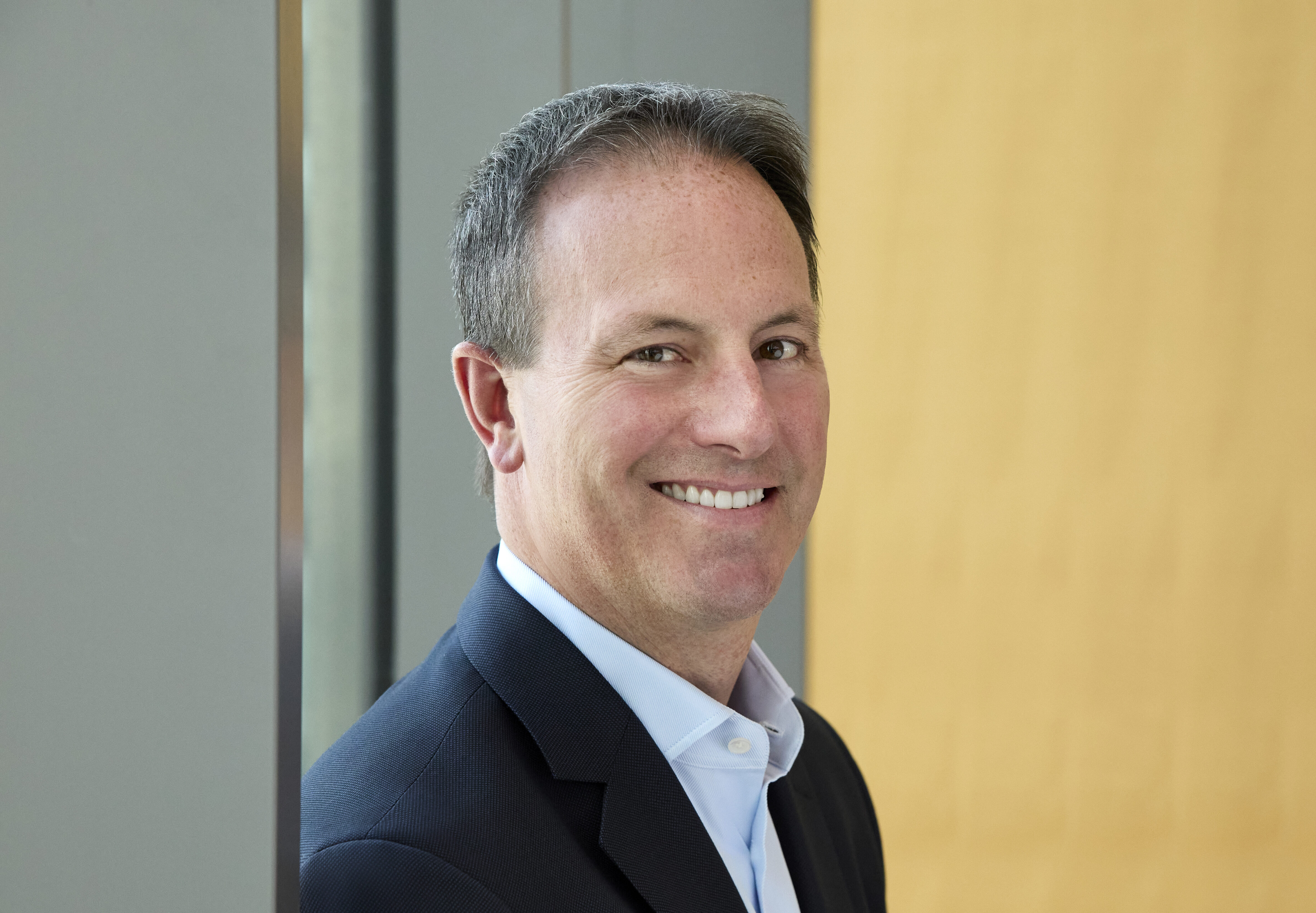
The day after he resigned from his position as head of investment banking at Bank of America Securities, Joseph Schell got a telephone call. It was from Dycom Industries, one of the leading providers of engineering and construction support for the cable and telecoms industry. Schell had been their banker for over Wve years, and was now being asked if he would like to join its board.
Schell accepted, as he did the oVer of a seat on the board at two other companies he had worked closely with over the years, Samina Corporation and consumer electronics firm Good Guys.
These three positions were meant to be it as far as work was concerned. He was also looking forward to devoting more time to the home that he and his wife own in Hawaii. At 53, he thought he had had enough of investment banking.But then his departure from investment banking was not the happiest, marking his annoyance with over 12 months’ political inWghting between four merging institutions. His Wrm was Montgomery Securities which, along with Hambrecht&Quist, Alex Brown and Robertson Stephens, had dominated the capital markets coverage of the high-growth tech sector from the 1980s until the late 1990s.All four gradually sold out to bigger Wrms. Schell’s Montgomery landed up with Nationsbank. It then merged, in 1998, with Bank of America, which had bought Robertson Stephens. Clashes, with their commercial banking parents and with each other, were inevitable Schell left last April around about the same time as the CEO and founder, Thomas Weisel, who set up on his own, naming the Wrm after himself and looking to recreate the feel and appeal of the independent boutique. He took more than 100 people with him, but Schell chose not to tag along. He was looking forward to his board duties. But by November 1999, as with many other investment bankers after retiring, Schell was getting restless. “I wasn’t getting bored, but I wasn’t satisWed that I had achieved all that I wanted to in investment banking,” he says. “Maybe if I had Wve or six board seats I would have been more distracted. But throughout the year I found myself distracted by the idea of wanting to build and manage a successful tech group.”As luck would have it, Merrill Lynch was at the time scouting around for a new head of tech investment banking. Merrill had never managed to emulate the success of Goldman Sachs, Morgan Stanley Dean Witter or CSFB in tech and now was set to lose its two co-heads. Scott Ryles had quit and Mark SaWr was on the point of leaving. “They came to me soon after Scott left,” says Schell. “And they managed to convince me that this was an opportunity of massive proportions and that I was the right man for the job.” Schell says: “We do have a Wrst-rate tech research capability here, It’s second to none. But we do have to improve our banking presence.” He is, he says, oV to a good start. “Obviously we’ve lost a few who have followed their old bosses, but we’re recruiting. And we’ve seen a lot of interest internally from those who work in old-economy industries where not much is happening, so we’re bringing some over. But to get it up to speed we need three or four years.”Is Schell enjoying his return? The biggest diVerence he’s found is the amount of time he spends abroad. “So far I’ve spent about a third of my time in Europe and Asia checking out our international tech operations, and I expect that to continue,” says Schell. And he’s still serving on the boards of his three former clients. That Hawaiian home must be pretty empty these days.