| Yashwant Sinha | ||||||
More than a decade after Manmohan Singh, the then finance minister of India, launched its belated bold strides to take the economy into the 20th century, the world’s second biggest country and biggest democracy has a long way to go even to get into gear to catch up with China, let alone with the industrialized world. The mess of the privatization plans is merely one indicator of the country’s problems.
There is now no distinguished leader able to articulate and press the economic reforms. Singh was the mastermind, able as an economist as well as a bureaucrat, when a Congress government held sway. But now Prime Minister Atal Behari Vajpayee heads an uneasy and fractious multiparty coalition in which politics, economics, and petty personal ambitions are all part of the constantly swirling kaleidoscope that constitutes the decision-making process.
As an example, Mamata Banerjee, the assertive railway minister and leader of the small Trinamool Congress, threatened to take her party out of the government unless Vajpayee agreed to cut prices of cooking gas and kerosene. She got her way. It was a good example of the politicking that had led Standard&Poor’s to lower India’s rating outlook in October.
The agency downgraded India’s foreign currency outlook to stable from positive, specifically citing the government’s inability to accelerate the pace of economic reform.
“India’s decision-makers, cutting across all major political parties, have been unable to build a consensus in favour of measures to correct weakness in public finances and modernize the country’s pervasive and largely unreformed public sector,” lamented S&P. “Over the past decade, the central government has transferred control and ownership of just one public sector enterprise to the private sector.”
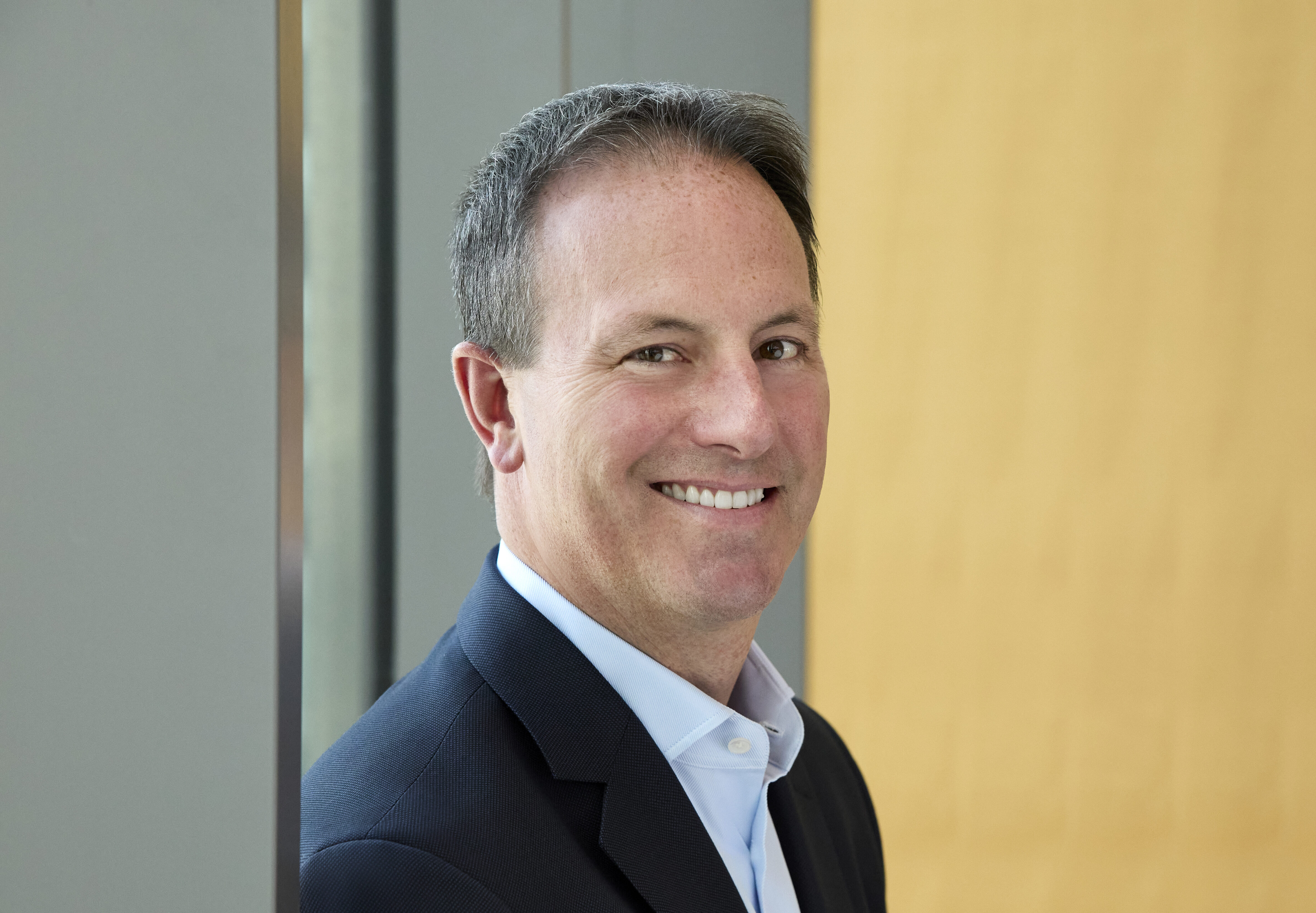
Finance minister Yashwant Sinha takes issue with S&P and with the critics who carp about privatization. “If we evaluate our track record of reforms, one of the things that is frequently talked about is privatization,” says Sinha.
The minister contends that the government has suffered by public forgetfulness over what has been achieved: “The problem is that when you do one thing, the people immediately absorb it and say where is the next one. So, the decision to privatize Air India and Indian Airlines is an old story. That insurance has opened up is an old story.”
It is true that privatization has realised about $4.5 billion for the government, but this is over 10 years and most companies have only been partially privatized, with foreign interests strictly limited. The next batch is critical, not just because it includes high-profile companies, but because the government is counting on making Rs100 billion ($2.2 billion) in the year to March 2001.
Sinha and Shourie face serious problems even inside the government. This was demonstrated in November when the domestic press reported excitedly that there were several options for the sell-off of Maruti Udyog, India’s biggest carmaker, owned by the government and Suzuki Motor of Japan. One article described the move as “a watershed that could generate worldwide interest”.
Another ran the headline, “Sell-off race revs up” and claimed that Suzuki and General Motors were interested in buying the government shares.
Unfortunately, as soon as he saw the papers, Manohar Joshi, the industry minister and the person responsible for Maruti, put a spanner in the works, claiming that an “in-principle approval has not been given by the cabinet for selling the government stake in Maruti”.
Controversy also surrounds the promise to reduce the government’s stakes in India’s big banks to 33% from the present 51%. The unions do not like the idea of the big banks being privately owned. The government insists that no one will be able to hold more than 1% of the equity and parliament will continue to supervise the banks in order to maintain their “public” character. So there will be no strategic partners to reform the banks’ managements, to inject new capital or to clean up considerable non-performing loans.
India’s frequent air travellers have expressed excitement at the prospect that at last Air India, the international carrier, and Indian Airlines, the leading domestic airline will be part-privatized, with the hope that their poor services will be shaken up. But although Singapore Airlines, Emirates and the Air France-Delta SkyTeam have expressed their interest in the 26% foreign stake that will be allowed in Air India, the world’s biggest airlines are staying shy.
Even with all the deficiencies, the privatizations face consid-erable opposition in parliament. The Congress Party has said it will oppose because it distrusts how the government will use the money from the sales.