Awards for Excellence 2016

|
|
Also shortlisted: |
|
HSBC |
|
Goldman Sachs |
|
Morgan Stanley |
|
UBS |
He may have been talking his own book, but it is hard to disagree with Peter Babej’s assessment of his bank’s performance in raising money for and advising financial institutions over the past 12 months.
“Citi is unique globally,” says the bank’s global co-head of financial institutions. “We have some very strong competition in FIG M&A and equity and perhaps less strong competition in FIG DCM. Other firms have a strong network but not the M&A expertise, while others have a broad product offering but smaller geographical footprint.”
Citi had a banner year in FIG equities, leading the largest IPO of 2015 for First Data at a time when other large IPOs were being withdrawn due to volatility. It was also on the first core IPO of 2016 for BATS, Credit Suisse’s rights issue and the landmark Chinese asset manager IPO of the year for Huarong Asset Management.
While broader market volatility has hit the post-IPO share performance of First Data, getting the deal done is a testament to the strong relationship between Citi and its client. The bank led First Data’s LBO, sole led the private equity bridge syndication and provided critical financings through the financial crisis for the payments firm. In Europe Citi was involved in IPOs for Deutsche Pfandbriefbank, ABN Amro and ASR Nederland – the largest EMEA IPO of 2016 to date.
“The challenge for balance-sheet and spread-driven financial institutions is the inability to out-earn your cost of capital. This is universal,” says Babej. “In some sub-sectors firms can eke out a living, but there is a disconnect between the utility function they are supposed to provide and shareholder expectations.”
Citi has been active in finding capital for many financial institutions this year, including additional tier-1 and tier-2 deals for, among others, Swiss Re, Generali, Société Générale and ABN Amro. In the US it led MetLife’s mandatory trigger preferred shares and the first hybrid issue by a US asset manager for Legg Mason.
The desire to diversify asset exposure has driven outbound Chinese M&A over the last year. Citi identified the trend early on and reaped the rewards with a number of important transactions, advising both sellers and buyers. These included the $173 million sale of an 80% stake in Banco BBM to China’s Bank of Communications (in which Citi advised Banco BBM) and advising insurer Ironshore on the $2 billion sale of an 80% stake to Chinese conglomerate Fosun International.

|
|
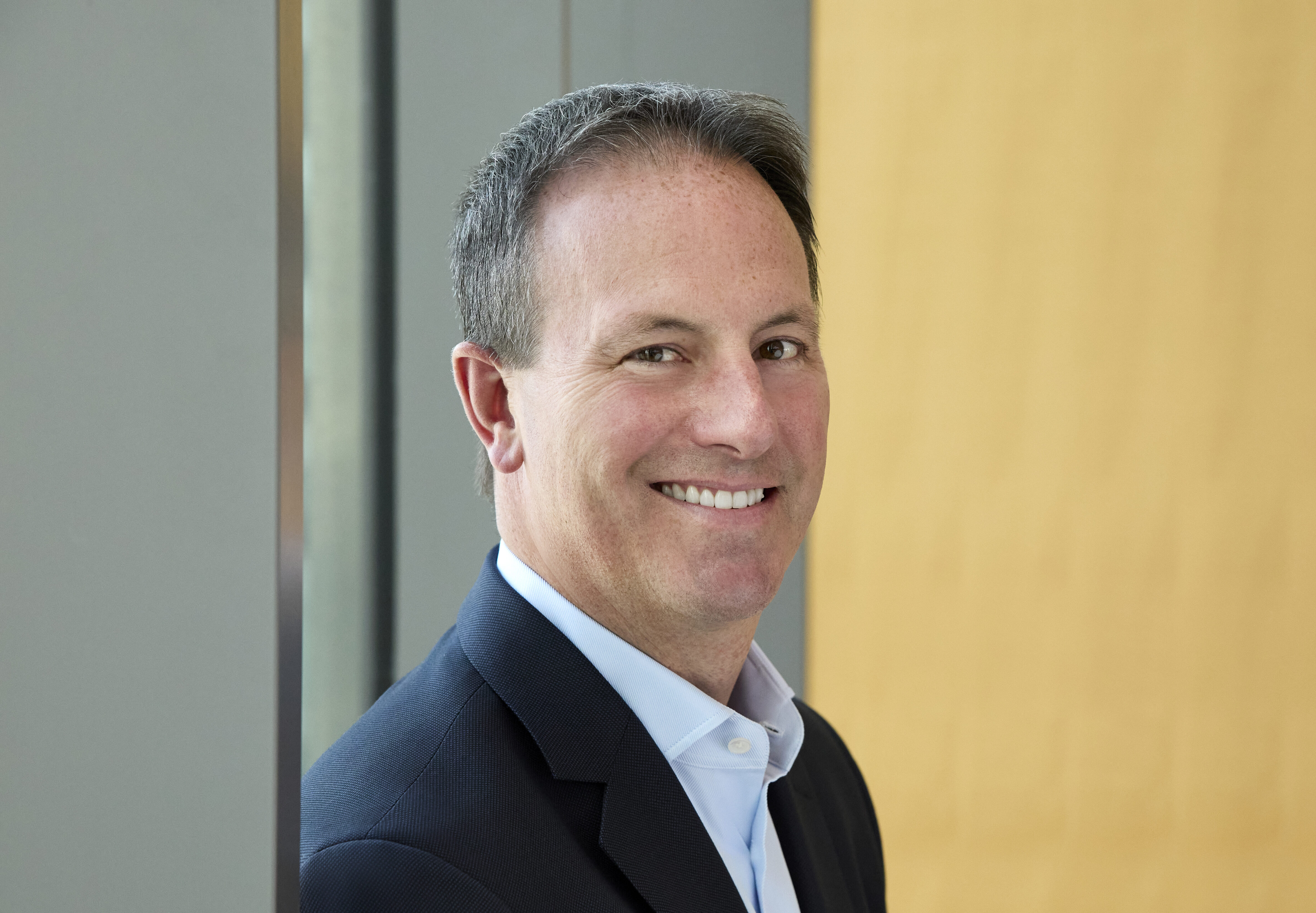
Peter Babej, Citi |
The US bank is firmly embedded in China and knows its FIG clients well. It has therefore also been at the forefront of advising Chinese firms as they look to acquire or sell globally. It advised China-based JD Capital on its $1.4 billion acquisition of Ageas HK, advised China Minsheng Investment on the $2.2 billion purchase of Sirius Group this year and was exclusive financial adviser to Bank Windu on its sale to CCB. “For every deal that we have done there is probably another bank that could have done it, but could the same bank have done them all?” asks Sudhir Jain, chief operating officer for financial institutions at the bank. “Could the same bank do all the China deals, catastrophe bonds, the BATS IPO and also offer transaction services? No.”
There is no doubt that the breadth of Citi’s product offering is an important part of its global success with FIG clients. Over 90% of its largest clients have a relationship with the bank in all three areas – banking, transaction services and markets.
The transaction services business is a core strength in FIG. “This is a great business and for FIG clients, it is a really sticky business,” says Babej. “Non balance sheet-driven businesses are a massive opportunity.” Last year Citi won the largest single global custody mandate from Norges Bank Investment Management, the world’s largest sovereign wealth fund with $880 billion assets under custody. This is a weighty endorsement of its capabilities in this area.
The bank prides itself on the extent to which FIG clients can turn to it for any solution globally. Perhaps there is no better example of this in the last 12 months than its work on the restructuring of GECC. This has included assisting on the sale of the firm’s US healthcare financial services business to Capital One, its European acquisition finance business to SMBC, its US sponsor finance business to CPP Investment Board, its equipment lending and leasing business in Mexico to Linzor, the liquidation of Mubadala GE Capital through a sale of assets to Apollo/MidCap, a $36 billion debt exchange offer, the IPO of Moneta Money Bank and an exchange offer for its post-IPO stake in Synchrony Financial.
The advantage of Citi’s global reach is demonstrated on deals such as the sale by Trian Fund Management of its shares in Legg Mason to Singapore-based investment firm Shanda for $336.8 million. Citi was already strategic adviser to Legg Mason and had worked with Trian before. “We could intermediate that trade in a way the others couldn’t,” says Jain. “You need to have sector expertise and global reach.”