The baby-boomer generation was born between 1946 and 1964, the product of a spike in births after troops returned home from the Second World War. They grew wealthier than the generation preceding them, having benefited from post-war subsidies and job creation. They were more engaged in social and political issues driven by the war they had avoided. They were healthier and more active than the generations preceding them. And they were the first to introduce the notion that generations differ in their outlooks, tastes and lifestyles – leading to the segmenting of Generations X, Y and Z that followed. Now that thee baby boomers are heading towards their 70s, the transfer of their wealth to the generations succeeding them is becoming an urgent issue. It is estimated that over the next 30 years between $27 trillion and $41 trillion will be transferred from the baby boomers to Generations X and Y. This club of inheritors ranges from the ages of 20 to 45 and are the first to feel little duty to remain with their families’ private banks. Pressure is therefore mounting for banks to adapt to the different preferences of the younger generation. Those preferences might end up reshaping the private banking industry as a whole.
![]() |
Until the turn of the millennium, private banking was comprised, for the most part, of advising wealthy individuals on how best to structure their money so as to avoid high rates of tax. It was deemed to be tax avoidance rather than tax evasion and was regarded as morally justifiable because of the high tax rates for top earners in such countries as the UK in the 1960s and 1970s. That mentality began to be frowned upon in the 2000s as top-band tax rates were reduced, countries’ fiscal budgets were edging towards the red, and anti-terrorist regulation shed greater light on the extent to which money was being hidden from governments’ eyes. Post-recession there has been an even greater backlash against tax avoidance and evasion. “In the last couple of years in particular there has become far more social and public pressure to pay taxes,” says Paul Knox, head of wealth advisory EMEA at JPMorgan Private Bank. High-profile wealthy individuals such as Warren Buffett have publicly denounced tax avoidance. “Because of the global nature of clients, taxes are far more complex, but tax planning is more restrictive,” says Knox. “We have never been tax advisers, but we notice clients are far more likely to ask us if a tax structure is mainstream. The next generation is coming into an environment that requires entirely different tax advice to that given to the generations before it.” In some cases, the children and grandchildren of the baby boomers are taking it one step further: seeking advice on how their taxes can be structured to pay more than government policy demands. Resource Generation was set up 15 years ago by a handful of young adults who had inherited money from wealthy family members. Disheartened by the increasing wealth disparity in the US, the non-profit group organizes communities to work together to learn about and take action to change economic injustice and unfair tax structures. There are today some 1,500 wealthy next-generation members of Resource Generation. “Wealthy people have lower tax rates in the US than most working people. Money that is made from investments is taxed at only 15% (capital gains) whereas the working population is taxed at more like 30%,” says Jessie Spector, programme director at Resource Generation. In 2010 the nonprofit launched an activist campaign around tax justice working with other groups of wealthy individuals to call for higher taxes on those earning over $250,000, a higher capital gains tax and other policies that would increase taxes on the top 5%. The slogan was: “We are the 1%: we stand with the 99%”.
Spector points out that there have always been segments of the wealthy who have sought to be active in bringing about social change; for example, the Civil Rights movement in the US and the abolition of slavery in Britain in the 1800s were supported by wealthy activists. “Now, we are seeing a similar uprising by the younger generations of the wealthy to address the imbalance of wealth in society,” she says. “Financial institutions, in particular the banks, will have to shift how they engage with this generation.” She believes that banks will need to rethink how they do business if they want to attract or retain the younger generations. “Banks have made their primary goal to be about how to make themselves and their clients the most money. Our members see that as unjust – money should be invested to support a more equitable society, not accumulate more wealth into the hands of the few. Banks need to put their energy into how to adapt to those different priorities or else they will lose out to credit unions and community banks, which are seen as being more in tune with the fairer society the younger generations advocate.”
If banks’ priorities were about making money for their clients that was certainly driven by the clients themselves and the mood of the generation. The mentality of the baby-boomer generation was one of working as many hours as possible to make as much money as possible. Philanthropy was a side issue. It is not that the baby boomers are not generous with their giving – they are the most generous generation to date and the first generation to prefer to leave their money to charity rather than to family. Rather, the baby boomers traditionally have separated their work and investing from their charitable giving. Their ethos had been to work all week, discuss their investments with their financial adviser, and on weekends volunteer, attend a charity event, or tend to their philanthropic goals. Business and pleasure did not mix.
That is not the case with Generation X, and even less so with Generation Y. Audrey Choi, who heads Morgan Stanley’s global sustainable finance group, says. “They want their lives to be integrated with their philanthropic views. First they might choose to start buying products that better match their values – whether that be products that support important social causes, or are environmentally friendly products, or products from companies that have sustainable and ethical businesses. Then that perspective can widen: they want to work for companies or start companies that align with their values and principles, and they want to invest in companies that align with their values. They don’t want to be spending their free time campaigning about a particular cause and then invest in companies that directly contradict those values.”
![]() |
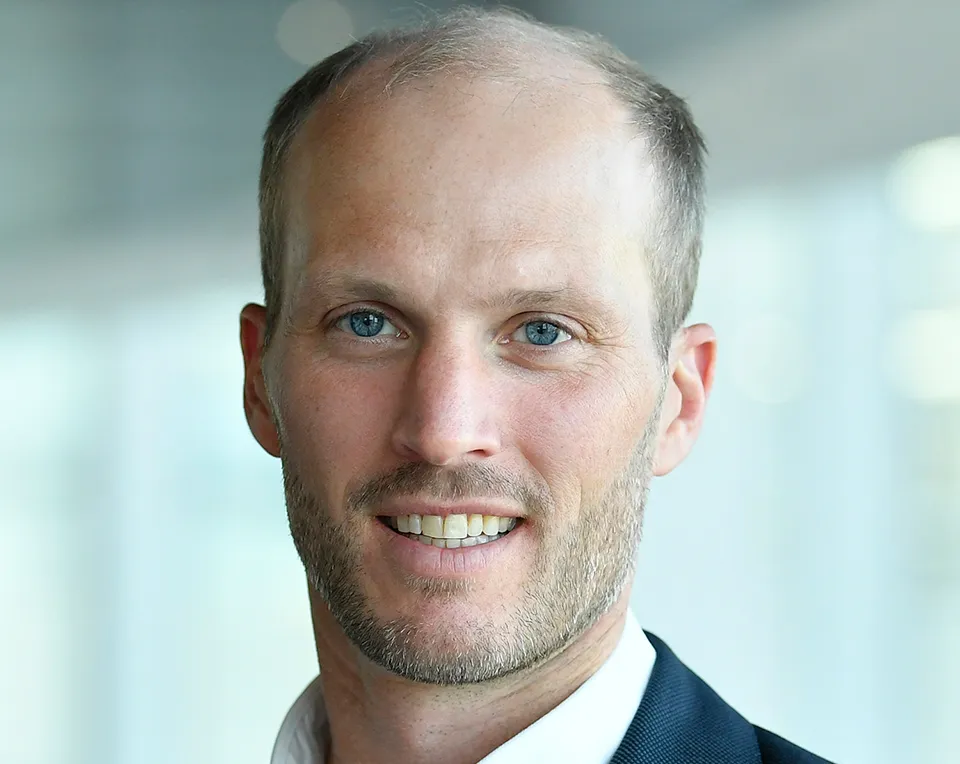
| Paul Knox, head of wealth advisory EMEA at JPMorgan Private Bank |
It is largely because of the globalization and greater access to information that cheaper travel and the internet have enabled that younger generations are more aware of social issues and how they can bring their values into every part of their lives. It is also obvious that governments cannot answer the world’s social issues alone, and that private capital has to assume some responsibility. And in the case of the wealthy, philanthropy is often the first experience the next generation has with their family’s wealth. “Philanthropy is often used as a means to engage the younger members of the family in broader conversations around wealth,” says Knox. “It is often a member of the next generation who will be given the foundation to run or who will be encouraged to put forward causes that the family can donate to. It can be practice for running the entire family money down the line, or it is used to remind the next generation how fortunate they are and to keep them grounded.” Being engaged in philanthropy, younger generations appear to have noticed two points. The first is that just writing a cheque is often not helpful, nor is it satisfying. The younger generation wants to be more engaged in its giving. Less attached to spending time working than the baby boomers, the next generation wants to be involved with causes that are meaningful to them. That requires a whole different set of skills from their bankers, who have often taken the role of philanthropic advisers. Private banks have been very good at advising clients how to structure estates and how to set up foundations, but beyond that their offerings in the area of philanthropy have been sparse. “You would ask a client about their philanthropy, but be terrified it would raise all sorts of questions from them that would just end up embarrassing the bank because we had nothing to really offer in terms of advice,” says one private banker.
“It’s not easy to have a good philanthropic offering,” says Knox. “You aren’t telling clients where to give their money. You are trying to understand what will fulfil their needs, and then try to connect them with ideas that can be very niche.” He says it requires hiring people with a lot of experience and networks. JPMorgan Private Bank hired Rebecca Eastmond in 2008. She was previously with Prince Charles’ Foundation for Children & the Arts. It also brings its clients together with other people with philanthropic success stories. “Hearing it from other people who have experience is really the only way you learn in philanthropy,” says Knox. It means banks have to offer their clients experience rather than just advice. UBS Wealth Management, for example, as part of its education forum in New York, has taken its next-generation clients to schools in lower-income communities in New York and to meet with the founder of the urban green space, The Highline.
![]() |
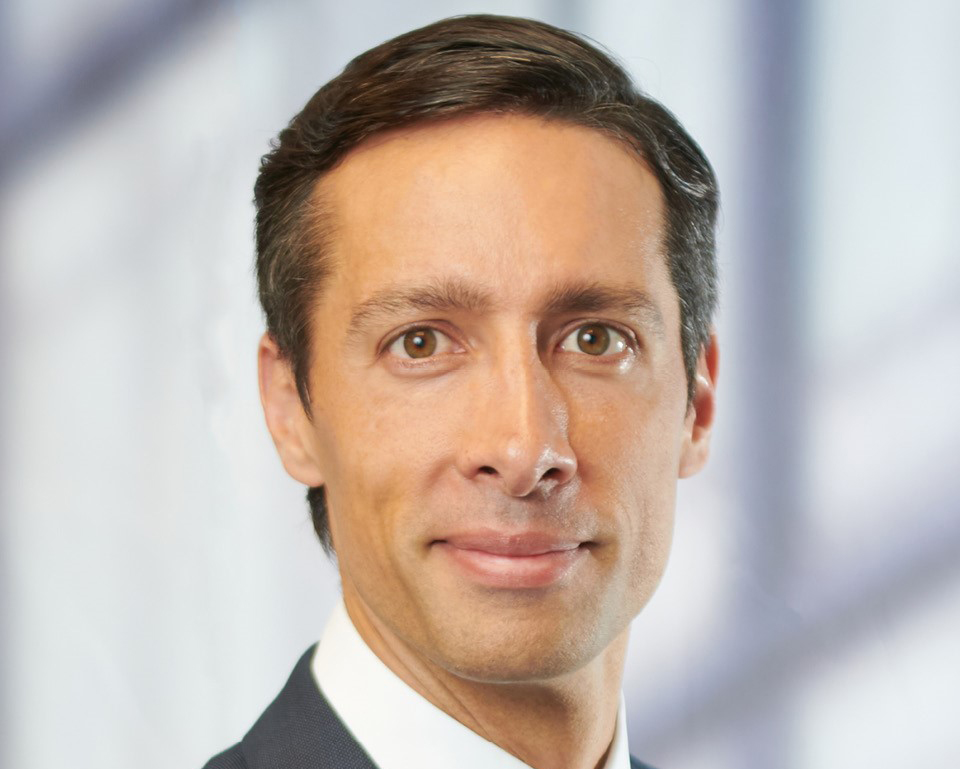
| Bill Sutton, head of philanthropic services at UBS Wealth Management |
In addition to having to improve and modernize their philanthropic advisory services, private banks must cater to the younger generations’ desire to use their investments as an opportunity to create social change. “Yes, the younger generation wants to benefit their wallet with their investments, but they also want to benefit the world, and that goes beyond simply screening out the ‘bad’ stuff,” says Bill Sutton, head of philanthropic services at UBS Wealth Management. In the US, impact investing is becoming part of the conversation between advisers and next-generation clients. Impact investing is investing in companies or instruments, such as social bonds, that have a positive social impact; it goes one step further than socially responsible investment. As yet, few banks have come up with a standard product. Some are offering clients the possibility of investing alongside the banks’ own foundations in micro-finance opportunities or private deals. Others are working with third parties that research and select firms that meet impact-investing criteria. Some banks are slowly beginning to create formal products, and those that are doing so are benefiting when it comes to winning the next generation of clients. UBS, for example, has an impact-investment private fund for its international clients as well as a sustainable investing platform for clients in the US. Steve Schroko, who works in business development at UBS Wealth Management, says: “Banks are still trying to figure it out, but we are seeing a distinct advantage by offering impact investing.” Morgan Stanley launched its impact-investing platform in April last year. “We looked at impact investing and saw an opportunity to attract and retain next-generation clients as well as next-generation employees,” says Choi.
Advising on investments goes beyond simply including impact investing as part of a portfolio discussion. “The biggest difference between the generation now inheriting and the one before that made the money is that the older generation has lived through several market cycles. They are educated in the challenges of investing and have learned from mistakes,” says Bill Woodson, co-head of Credit Suisse Private Banking America’s ultra-high-net-worth business. Furthermore, the sectors that made the older generations wealthy – such as manufacturing – differ from the sectors that the next generation of wealthy tend to work in: finance and social media/technology. “That changes the younger generations’ views of investing,” says Woodson. “Those in finance believe they are more knowledgeable than they perhaps are when it comes to investing. And those in social media or technology tend to be more aggressive and prefer early investing. It is a very different view to their parents who were more broad-based and diversified, and therefore requires a different type of advice from banks.”
The lack of experience of the younger generations when it comes to wealth has been a big concern for the baby boomers. In a survey by US Trust of baby boomers in 2008, 76% said they felt the next generation would not be able to handle the wealth they would inherit, while 50% said they felt it would be a burden to their children. The concerns encouraged the private banks to start education programmes for the next generation on behalf of their older clients. “We have a curriculum that covers the basic information such as income tax, credit cards, loans, etc, and then moves through protecting wealth, insurance, philanthropy, trust and estate planning, owning a business and investments,” says Chris Heilmann, chief fiduciary executive at US Trust. The top private banks all offer similar programmes for their next-generation potential clients. “Many of the next generation have been to business school so they learn how to more practically manage their money,” says Money K, managing director of the next generation programme globally at Citi Private Bank.
The programmes enable the banks to develop a relationship with the next generation before the wealth is transferred and although they are offered at no cost by banks, they are deemed as crucial to the future of the bank. “The next generation looks for an adviser much earlier than the baby-boom generation – we think because of their hunger for and access to information,” Heilmann says. “This programme enables us to make our firm relevant earlier. But you have to be incredibly thoughtful as well since it needs to be delivered in a method and format that resonates with them.”
If banks want to make sure that they keep their share of the $30 trillion being transferred, they will indeed have to ensure they are relevant. Oak boardrooms are out, while delivering information in tablet format is essential. Creating private social networks for programme alumni is key, as is discussing brand and living legacy. Talking about fixed-income notes is a thing of the past, while a knowledge of impact investing is crucial. In marketing, Money K says the next generation is more social, relying more on peer referrals and online recommendations when it comes to making decisions. “Word-of-mouth marketing is becoming more important for wealth managers,” he says.
The next generation is also leading to a different type of advisory team. Schroko says: “The ‘aha’ moment for us was to encourage our advisers to diversify their teams to include a broader age range and background so that we can bring all perspectives to the next generation.” He estimates some 90% of those inheriting money change their financial advisers. “The next generation needs to know that their bank understands them, can be trusted and adds the value that they require. Or they will leave.”