When group head of transaction banking, business intelligence and transformation Layal Ishaq Hasan joined KFH Bahrain, then operating as Ahli United Bank (AUB), in 2019, her mandate was to build a transaction banking division from the ground up. The starting team of four has since developed into a regional operation of more than 20 people, with Hasan leading six regional entities and covering clients across 20 jurisdictions. Her objective was to combine international-standard transaction banking with products adapted to local markets and Islamic finance requirements.
That vision is perhaps most evident in B2B, the corporate platform at the centre of KFH Bahrain’s cash management, liquidity, payments, trade finance and supply chain finance proposition.
“Our vision is clear: to position the B2B platform at the centre of our clients’ ecosystem, serving as their focal point for banking and beyond through a seamless, integrated and secure one-stop solution,” says Hasan. In 2025, the platform processed more than $36 billion through approximately 4.6 million transactions. It had become a primary channel for more than 13,000 clients, up from 200 when the division was established.
Execution has involved more than just product development. Hasan led the corporate digital transformation programme that began in Bahrain and was subsequently extended across Kuwait, Egypt, Iraq, Libya, Dubai and the UK. She was also selected to help lead the bank’s conversion to Islamic banking following its acquisition by KFH, before managing the corporate banking component of the AUB to KFH rebrand in 2025 within a six-month deadline. This encompassed legal and commercial changes, as well as the redesign of digital channels and customer communications.
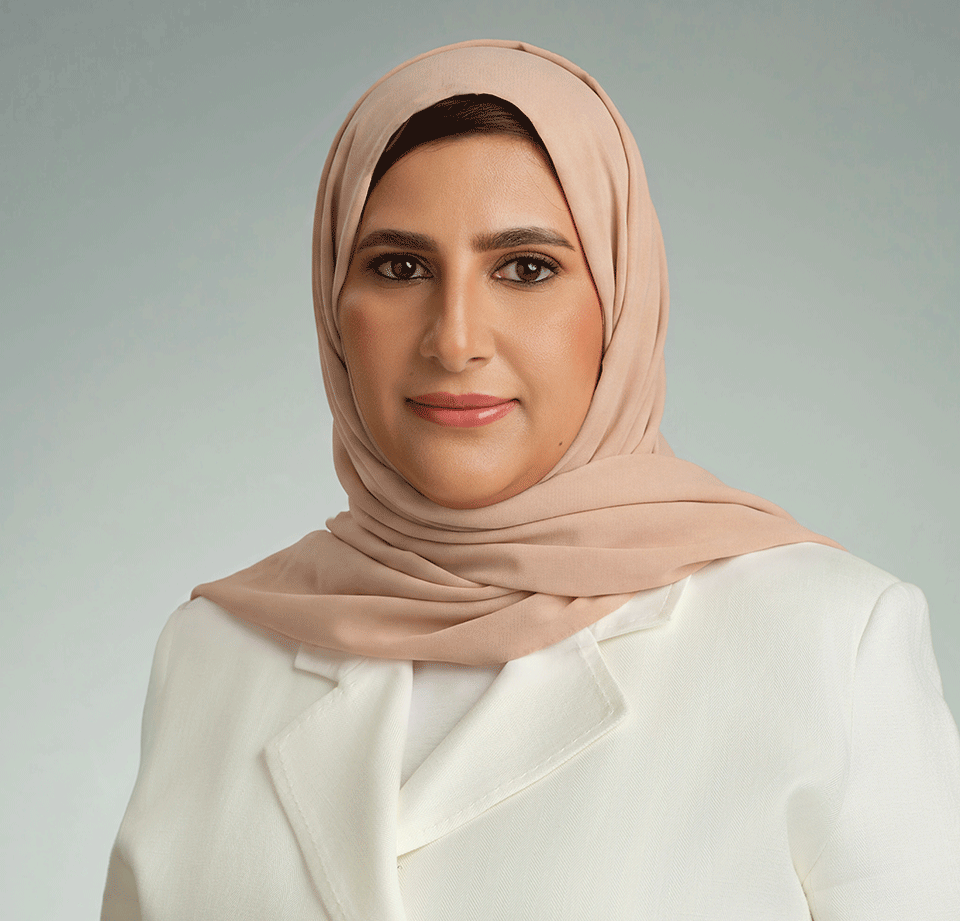
Our greatest pride comes from creating new benchmarks in the market that contributes to positioning the MENA region as an advanced financial centre
Layal Ishaq Hasan
The product programme has produced several notable additions. These include a fully digital, Shariah-compliant liquidity management system with more than 10 sweep structures; a virtual account infrastructure used by over 40 clients; an automated Shariah-compliant supply chain finance platform; and a trade portal that handled 42% of trade finance transactions in 2025.
“Our ambition has never been to match the market, but to exceed expectations and deliver innovative solutions that set new standards for the industry in a Shariah-compliant manner,” Hasan says.
Execution was complicated by different regulatory regimes and client requirements across markets, and Hasan’s team also had to convert conventional products and systems to Shariah-compliant structures, maintaining delivery during the group integration and rebrand.
The commercial results provide evidence of adoption. In 2025, trade finance revenue increased by 23%, customer trade limits by 34%, virtual account management fees by 114% and corporate current and savings account balances by 14%.
Her leadership model has been deliberately product-led rather than function-led. Team members are expected to manage the complete lifecycle of their products, from research and design through implementation, sales and client support, while receiving individual development plans and support for professional qualifications.
Looking ahead, Hasan is leading the 2026-2027 corporate banking transformation plan, using data analytics and AI to develop more value-added services for corporate clients. “Pioneering market-first innovations always comes with its own set of challenges,” she says. “But our greatest pride comes from creating new benchmarks in the market that contributes to positioning the MENA region as an advanced financial centre.”