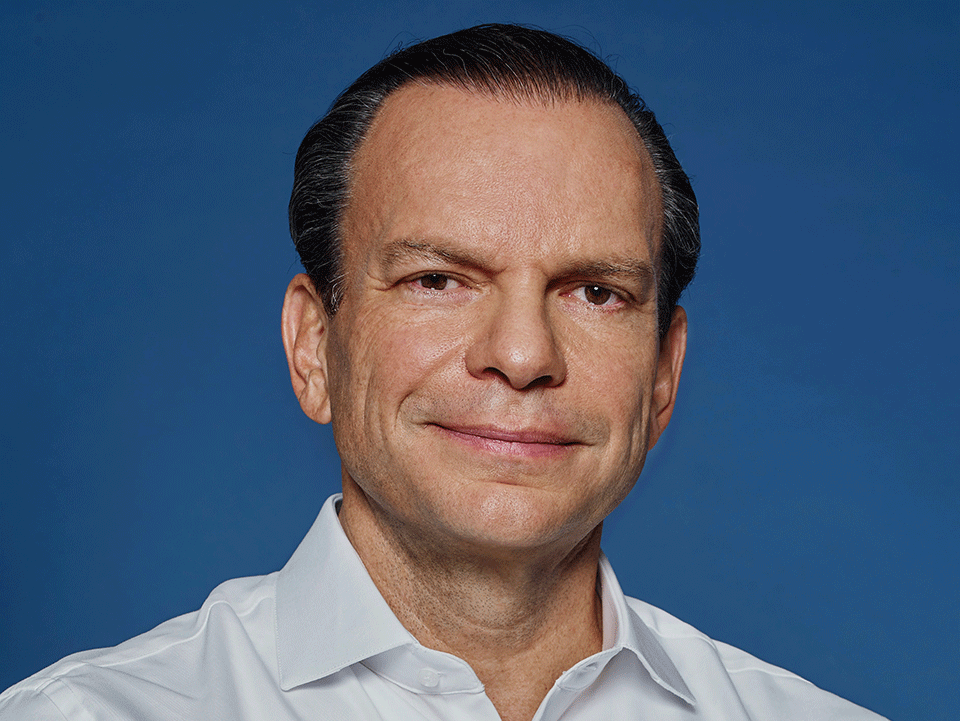
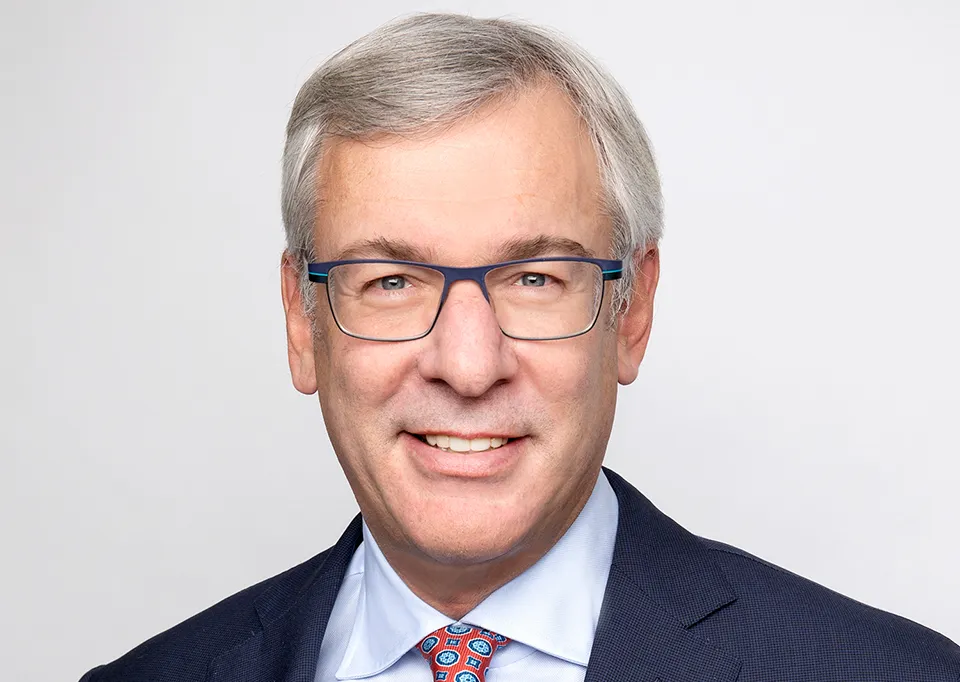
Best Islamic bank: Emirates Islamic
For Emirates Islamic, 2025 demonstrated how a modern Islamic bank can combine rapid balance-sheet growth, product innovation and digital sophistication without compromising profitability or Shariah principles.
The bank delivered record net profit of AED3.3 billion in 2025, up 19% year-on-year, supported by strong growth across funded and non-funded income streams. Customer financing increased 26%, while deposits rose 33% year-on-year, reflecting continued balance-sheet expansion alongside robust liquidity and capital ratios.
The bank’s strategy focused on growing market share while improving customer experience, accelerating digitisation and strengthening environmental, social and governance (ESG) integration across the franchise. That momentum was visible across retail, small and medium-sized enterprises (SME) and corporate banking.
Retail banking and wealth management generated record annual revenue of AED3.9 billion, while Emirates Islamic added 182,000 new-to-bank customers during the year. The bank also strengthened its position in cards and payments through the launch of the region’s first Amazon-branded credit card in partnership with Amazon UAE and Mastercard.
Corporate and institutional banking also delivered strong growth, with financing increasing 28%, deposits rising 48% and net profit surging more than 50% year-on-year by September 2025. Elsewhere, Emirates Islamic further expanded its ESG financing activity, participating in more than $2.9 billion of ESG-related syndicated facilities during the year.
Innovation remained a defining differentiator. In 2025, Emirates Islamic issued the world’s first sustainability-linked financing sukuk, a $500 million transaction aligned with both Emirates NBD Group sustainability objectives and the UAE’s Net Zero 2050 agenda. The bank also launched a fully digital Shariah-compliant supply-chain-finance platform designed to streamline invoice settlement and improve liquidity access for suppliers and vendors.
Digitisation continues to reshape customer engagement. Emirates Islamic’s EI + platform surpassed 613,000 registered users with 91% active usage, while tablet banking accounted for 97% of credit-card bookings and 91% of personal-finance disbursements.
Beyond financial performance, Emirates Islamic continued investing heavily in talent and social impact, maintaining one of the UAE banking sector’s highest Emiratisation rates at 43.5%, while contributing more than AED46 million to charitable and community initiatives during the year.
Best Islamic bank for ESG: ADIB
Abu Dhabi Islamic Bank (ADIB) has built a comprehensive environmental, social and governance (ESG) framework in UAE Islamic banking: a Shariah-compliant sustainable finance programme that is publicly committed, formally governed and increasingly embedded across its business lines.
The headline commitment is AED60 billion in sustainable finance by 2030. By the end of 2025, ADIB reported it had mobilised more than AED20 billion towards that target – meaningful progress for a bank that must align every product structure with Shariah principles, adding a layer of complexity to an already demanding ESG agenda.
The bank’s Sustainable Finance Framework defines eligible categories, evaluation and selection criteria, exclusions and reporting requirements, with ESG specialists working directly alongside corporate banking, treasury, risk and capital markets teams. On transition planning, ADIB has established interim 2030 financed-emissions reduction targets across six high-impact sectors, disclosed through its net-zero reporting.
A $500 million green sukuk – one of the earlier Shariah-compliant green issuances from the UAE – allocated proceeds to renewable energy, energy efficiency and sustainable water infrastructure, with disclosed avoided-emissions estimates. In 2025, the bank completed four sustainable sukuk transactions and three syndications spanning project finance, letters of credit and financial institution lending.
The product range spans green and social corporate financing, sustainability-linked loans, green project finance, affordable housing, small and medium-sized enterprise (SME) lending and green car-financing for electric vehicles – a category of direct relevance as the UAE advances its own net-zero agenda. Relationship managers and product specialists have been trained on sustainable finance eligibility, key performance indicator (KPI) calibration and climate risk, broadening origination capacity across the bank.
The breadth and rigour of ADIB’s ESG programme stands out in a market where Islamic finance and sustainable finance are increasingly converging after having grown along separate tracks.
Best Islamic bank for wealth management: Standard Chartered Saadiq
Standard Chartered Saadiq has established a leading position in Islamic wealth management in the UAE, focused on globally mobile affluent clients seeking seamless access to a broad range of high-quality Shariah-compliant solutions through a trusted international platform.
The strength of this positioning is evidenced by sustained growth momentum, with robust expansion in Islamic wealth revenues supported by strong increases in net new money and a rapid rise in assets under management in recent years.
A key differentiator in the UAE’s highly competitive market is the breadth and quality of the product suite. Saadiq offers access to a wide range of carefully curated Shariah-compliant investments, including a large global sukuk platform, flagship CIO-led funds and leading external manager-led solutions. It has also pioneered locally domiciled funds in the Dubai International Financial Centre (DIFC), supporting the UAE’s continued development as a global Islamic wealth hub.
Innovation remains central to maintaining its leading position, with the bank continuing to develop products that resonate with clients. Wealth $aver is a notable example, integrating deposits with investment portfolios to enhance returns while reinforcing deep, long-term client relationships.
Leading digital capabilities play an essential role. Clients benefit from 24/7 access to investments, real-time portfolio monitoring and integrated advisory support, enabling seamless engagement regardless of location. High levels of digital adoption underline the bank’s highly client-centric approach in this area.
Standard Chartered Saadiq delivers a high-calibre, digitally enabled investment platform that provides clients with access to carefully curated opportunities, and seamlessly integrates advice with institutional-quality investment content and execution capabilities. The result is the most compelling Islamic wealth proposition in the UAE.
Best Islamic digital bank: Mashreq Al Islami
Mashreq Al Islami secured the award for UAE’s best Islamic digital bank by demonstrating that fully Shariah‑compliant banking can be delivered at national scale through a genuinely end‑to‑end digital model, while sustaining profitability and balance‑sheet growth.
At the core of this performance is Mashreq NEO, which the bank has transformed into a fully digital Islamic proposition with no human intervention across onboarding, servicing, product application or transaction execution. Individual customers can open and activate Islamic accounts in approximately three minutes using a single document, while straight‑through processing rates, conversion ratios and customer satisfaction scores all doubled after the redesign of the onboarding journey. This translated directly into growth: Mashreq Al Islami’s balance sheet has expanded threefold in three years.
More than nine in 10 retail transactions are now conducted digitally, and more than four-fifths of active Islamic banking customers use mobile or online channels as their primary interface. The platform supports a full suite of Shariah‑compliant products, including accounts, cards, personal finance, small and medium-sized enterprise (SME) banking, sukuk investments and wealth solutions, all accessible across mobile, web and self‑service channels, with the ability to start and complete journeys seamlessly across platforms.
Crucially, Mashreq Al Islami has disproved the assumption that digital Islamic banking must rely on loss‑leading economics. By attracting higher‑value depositors, launching affluent propositions such as NEO Plus, and embedding machine‑learning‑driven tools like Money Insights, the bank has combined rapid digital acquisition with rising profitability. Strong Shariah governance and regulatory engagement further reinforce its credibility in the UAE market. Together, these factors position Mashreq Al Islami as the country’s most advanced, scalable and commercially successful Islamic digital bank.
Best Islamic structured finance house: Emirates NBD Capital
Emirates NBD Capital stood out in 2024 for scaling Shariah-compliant syndicated financing and embedding innovation into complex deal structures in the UAE.
During the review period, the bank arranged 112 syndicated transactions, raising more than $115 billion, with 31% incorporating Islamic tranches – expanding the pool of Shariah-compliant liquidity available to large corporates while enabling conventional syndicates to participate alongside Islamic investors within a single structure.
Innovation was most visible in the integration of sustainability into Islamic structures. The AED9 billion revolving murabaha facility for Aldar Properties linked pricing to tailored sustainability performance targets, aligning Islamic financing with measurable environmental, social and governance (ESG) outcomes and setting a template for UAE issuers seeking to combine Shariah compliance with transition strategies.
In addition, the $500 million sustainability-linked sukuk for Emirates Islamic introduced performance-based mechanics into sukuk pricing. Strong oversubscription and spread tightening demonstrated that ESG-linked Islamic instruments can attract incremental demand and improve execution economics. Execution capability was reinforced through large, structurally complex UAE-related transactions. ADNOC’s $10.95 billion financing combined conventional and Islamic tranches within a single facility to fund strategic energy infrastructure – illustrating how Islamic structuring can be deployed at scale without limiting tenor, pricing or investor participation.
Best Islamic transaction bank: First Abu Dhabi Bank
In 2025, First Abu Dhabi Bank (FAB) distinguished itself through practical innovation that addresses the day-to-day liquidity and transaction banking needs of clients in the UAE. Rather than simply replicating conventional products in a Shariah-compliant format, the bank has focused on developing solutions that solve specific treasury challenges for corporates and government-related entities.
A standout achievement during the review period was the launch of FAB’s Islamic Covered Drawing facility. Structured through a commodity murabaha arrangement, the solution enables clients to access short-term liquidity directly through their operating Islamic accounts without the complexity of separate drawdowns or dedicated accounts. The facility provides customers with greater flexibility in managing working capital while maintaining full Shariah compliance. Market demand was immediate, with several corporate and government clients fully utilising facilities totalling more than AED300 million within the first months following launch.
FAB also strengthened its position in Islamic liquidity management through the introduction of a wakala-based nine-day notice period deposit. The product fills an important gap between overnight balances and longer-dated Islamic deposits, allowing clients to optimise surplus liquidity while retaining short-term access to funds. The proposition resonated strongly with customers, attracting AED1.185 billion in balances within weeks of launch and demonstrating the demand for more sophisticated Islamic treasury solutions.
These innovations sit within a broader strategy to expand Islamic transaction banking capabilities across cash management, liquidity and working capital. By combining strong Shariah governance with a clear understanding of treasury requirements, FAB continues to develop products that deliver tangible value rather than simply meeting compliance requirements. This reflects a deeper understanding of how corporate treasuries operate and a willingness to adapt Islamic banking solutions to increasingly sophisticated cash management requirements.
Best Islamic local currency deal: Emirates Islamic
Abu Dhabi Ports Company commodity murabaha revolving facility
In April 2025, Emirates Islamic acted as mandated lead arranger for the Abu Dhabi Ports Company’s AED1.37 billion commodity murabaha revolving facility. The deal introduced a distinctive Shariah-compliant revolving facility for a high-grade corporate, with a structure offering multiple extension options and wide flexibility, allowing AD Ports to optimise its capital structure over time.
Emirates Islamic assisted the firm with an innovative solution that accommodated its risk profile, operational requirements, and structural and documentation challenges. The syndicated revolving facility solution expands AD Ports’ funding base, providing flexible liquidity whilst preserving Shariah compliance.
Best Islamic project finance deal 2026: ADIB
Al Dhafra OCGT independent power plant $815 million istisna-ijara financing
The best Islamic project finance deal in the UAE in 2025 was the financing of the Al Dhafra open-cycle gas turbine (OCGT) independent power project. This landmark $814.8 million hybrid conventional and Islamic project financing showcased seamless integration of conventional and Shariah-compliant structures at scale.
Abu Dhabi Islamic Bank (ADIB) committed around $46.8 million to the transaction, as well as serving as istisna-ijara facility agent for the Islamic tranche. This structure was tailored to align construction-stage funding with long-term asset leasing, and demonstrates ADIB’s expertise in executing complex, large-scale Islamic project financings.
The finished OCGT power plant will be a fast-response peaker facility operating on natural gas with diesel back-up. It will support the power supply to a next-generation artificial intelligence (AI) data centre, linking traditional energy infrastructure with digital economy growth.
Best Islamic real estate deal 2026: Mashreq Al Islami
Binghatti Holding $500 million senior unsecured green sukuk
Mashreq Al Islami acted as joint bookrunner on Binghatti Holding’s inaugural $500 million senior unsecured green sukuk issuance in September 2025. The issuance used an ijarah and murabaha structure, with proceeds being used for general corporate purposes.
It was Binghatti’s first green issuance, aligned with the UAE’s Green Agenda 2030, and marked the first time a Gulf Cooperation Council (GCC) bank had acted as sole green structure on a sukuk issuance. The deal was 4.3x oversubscribed, a record for green high-yield real estate issuance in the GCC.
Best sukuk deal: Standard Chartered
ADNOC $1.5 billion inaugural 10-year sukuk issuance
In April 2025, Standard Chartered acted as sole global coordinator and joint sukuk structuring bank for ADNOC Murban’s $1.5 billion inaugural 10-year sukuk issuance. The sukuk utilised a wakala structure, backed by listed UAE equities.
This was a landmark debut for ADNOC in international sukuk markets, representing the largest-ever AA-rated corporate sukuk globally. ADNOC achieved record-breaking price efficiency, with the tightest 10-year spread for any Middle East corporate issuer at just 60 basis points over US Treasuries.
The deal saw strong investor demand, with the final order book peaking at almost $4 billion, representing 2.7x oversubscription, despite the negative new issue premium usually demanded by investors.