Last year, Rothschild & Co advised on a higher volume of M&A transactions than any of its European rivals, with its $220 billion of completed deals putting it comfortably ahead of Barclays on $207 billion, Lazard’s $185 billion, BNP Paribas’ $178 billion and Deutsche Bank’s $145 billion.
And while the US bulge-bracket firms top the volume rankings in western European M&A, looking at the numbers of deals tracked by Dealogic tells a different story.
Rothschild advised on 297 transactions, far ahead of Goldman, which advised on 161, JPMorgan on 160 and Morgan Stanley 102.
The firm has more advisory bankers, around 900 spread across western Europe in 15 offices, than any rival. It is western Europe’s best bank for advisory.
In a year when volumes fell precipitously and many firms that had hired for the boom conditions of the second half of 2020 and 2021 announced widespread redundancies, Rothschild’s focus on large numbers of bread-and-butter deals, as well as the big strategic transactions, served it well.
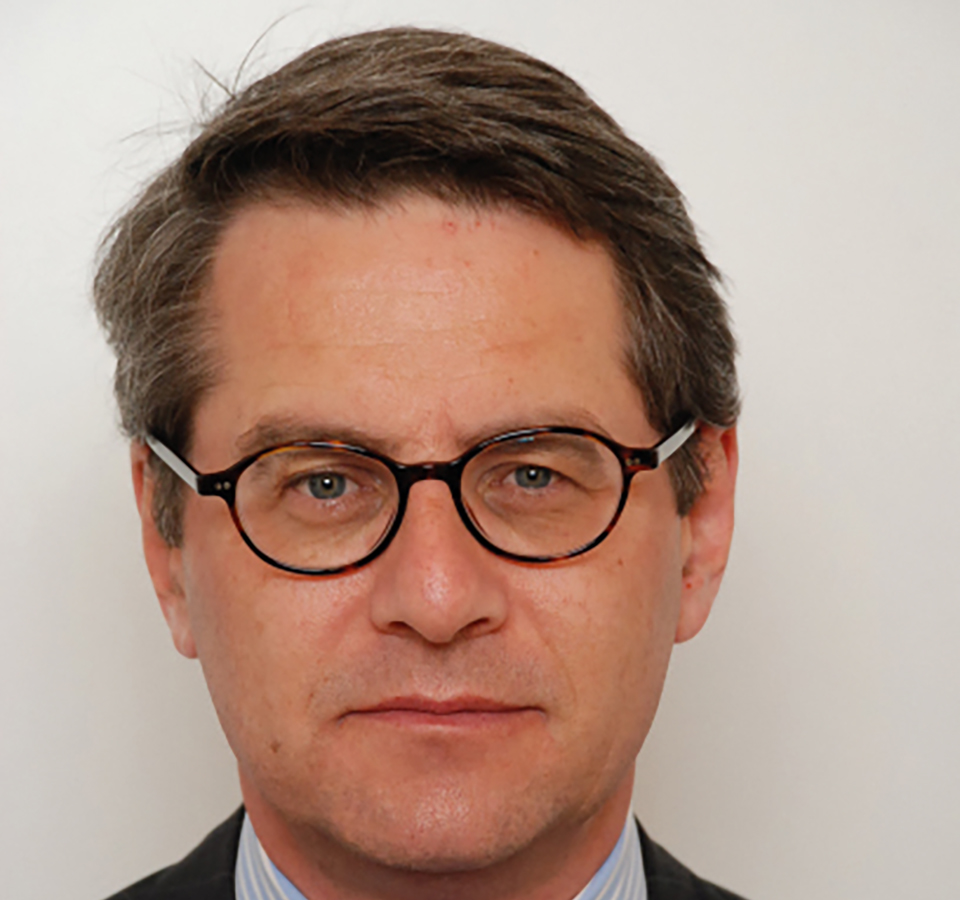
“Our turnover was down 4% in local-currency terms in a year when completed transactions declined by 28%,” Philippe Le Bourgeois, chief operating officer of global advisory at Rothschild, tells Euromoney. “So, we have performed better than the market. Our advisory-only business model, the breadth and scale of our business and the longevity of our bankers drive our success.”
While the Rothschild family is now taking the firm private once again, even as a publicly quoted business it was never run for short-term results.
“Our people are rewarded for nurturing relationships,” says Le Bourgeois. “Advisory is about trust, and we increase share in market dislocations when clients want to go to firms that are stable. We have also seen some good people become available and have taken advantage of that.”
The firm advised UK defence components maker Meggitt on its sale to US firm Parker Hannifin, completed in 2022.
“We have had a 20-year relationship with Meggitt and advised them on every M&A transaction, as well as providing equity and debt advisory,” says Ravi Gupta, co-head of UK and global co-head of industrials, global advisory.
Rothschild was an early pioneer of equity advisory in the mid 1990s, initially through a joint venture with ABN Amro, when the Dutch bank was a powerhouse in Europe, and then after the great financial crisis in its own right.
It worked for large clients executing high-profile IPOs and sell-downs, advising on 35 equity assignments totalling $32 billion (a 33% increase on the previous 12 months), including Volkswagen’s €9.4 billon IPO of Porsche AG, the largest European IPO of the year.
“Volkswagen is a repeat client and has been since 2009,” says Le Bourgeois. “We had done four ECM advisory assignments for them before they decided to take on an adviser for the Porsche deal, its largest ever.”
The firm also advised on Saipem’s €2 billion rights issue and Sanofi’s $1.4 billion partial spin-off of EuroAPI.
Advisory is about trust, and we increase share in market dislocations when clients want to go to firms that are stable
Philippe Le Bourgeois
Rothschild has also built a new business advising private companies on private equity, late-stage growth and venture fund raising from selling minority stakes to funds as well as directly to limited partners in those funds.
And it has been building up in debt advisory and in restructuring, advising on around 165 transactions in the year under review, totalling $75 billion across 22 different countries and all industry groups.
These capabilities helped it win a role advising entities owned by funds managed by Blackstone on the €21 billion sale and recapitalization of Mileway, Europe’s largest last-mile logistics real estate company. The complex deal was completed in April 2022 just as rates were starting to rise and worries were mounting about commercial real estate.
Logistics real estate is one of Blackstone’s highest conviction themes globally. Over the past six years, Blackstone and Mileway’s management team have grown the company through acquisitions by Blackstone’s opportunistic funds.
The sale and recapitalization allowed existing investors to either maintain long-term exposure to Mileway by retaining or increasing their shareholding, or to exit for cash. Approximately 75% of the capital for the recapitalization came from existing investors.
The transaction is Europe’s largest-ever real estate transaction and the largest-ever private real estate transaction globally.
“We are hired and trusted for our independent thinking,” says Gupta. “And one reason we do well financially is that our franchise is so broad that it does not matter if clients do not transact in any given year. A sufficient proportion likely will. It is an immense luxury for our managing directors to be able to advise clients not to transact, knowing that they will remember that and likely call us back.”