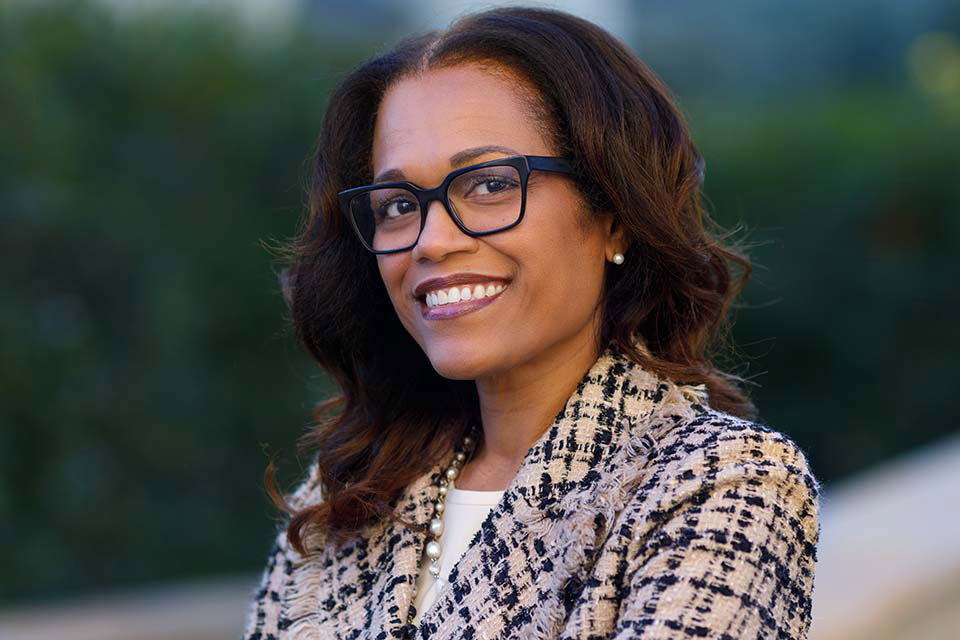

At Bank of America, diversity and inclusion starts at board level and ripples out across the whole of the group. The bank’s responsible growth strategy, which it adopted in 2014, continues to deliver results on diversity representation inside its own operations and supply chains, while also creating economic opportunity for its stakeholders.
BofA’s metrics show the group is progressing. According to workforce diversity data in its annual report, 26% of employees in management levels 1 to 3 were people of colour, up 2% from the previous year. The percentage of women in mid and senior levels was also up slightly. At year-end 2022, BofA’s global workforce was 50% women, 50% people of colour and 55% of the executive team is now diverse.
“We wouldn’t have these results if we didn’t have a top-down approach,” says Cynthia Bowman, chief diversity and inclusion and corporate social responsibility officer at BofA.
Bowman, who has held the title since 2016, sees the success of the group as a direct result of the commitment made at senior management level.
Shortlisted
- Citi
- Santander
The bank recognizes the importance of accountability and leading by example. Again, its internal structures ensure that these values resonate across business lines. BofA’s global diversity and inclusion council sponsors regional teams focusing on diversity and inclusion across operating units. The global council consists of senior executives from different lines of business and local markets, and is chaired by the chief executive Brian Moynihan.
For Bowman, the bank mirrors the clients and communities that it serves, and has the data to prove it.
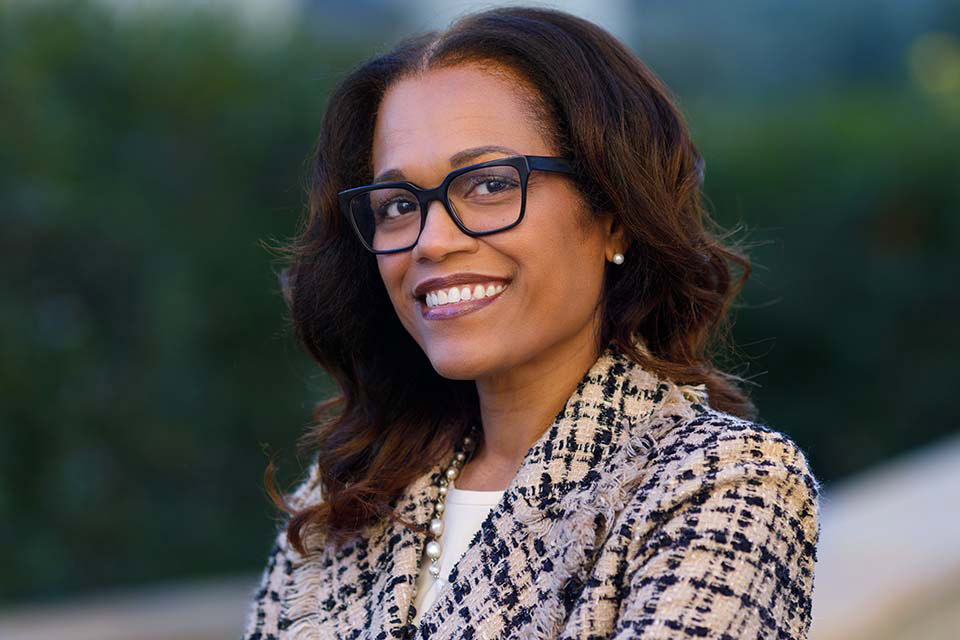
“We believe in the saying: ‘You can’t manage what you can’t measure,’” she adds, alluding to the reporting efforts BofA is making.
In 2022, more than 170,000 employees participated in the employee engagement survey.
BofA also demonstrates a commitment to promoting diversity in its investment choices. The bank provides capital for funds led by diverse managers and growth equity funding for minority entrepreneurs.
At year-end 2022, the bank committed $421 million to more than 130 funds that are approximately 67% Black/African American, 22% Hispanic-Latino and 59% women owned or led.
Last year, BofA also doubled its low-cost deposit programme in minority depository institutions to $200 million. The group launched the BofA Access to Capital Directory for Black entrepreneurs and Hispanic-Latino entrepreneurs, which has more than 440 sources of capital, ranging from grants to equity investments and loans.
“The question remains the same: it’s about how you treat people equitably,” says Ebony Thomas. “When we invest a dollar, we think about what value that dollar is creating and for whom.”
Thomas took up the position of president of the BofA Foundation in June 2022, having previously served on the bank’s racial equity and economic opportunity executive.
We look at our peers starting to set goals on these topics, and we see that we’re already there
Cynthia Bowman
As one of the largest financial institutions in the world, BofA doesn’t shy away from its responsibility to do more to raise industry standards on diversity and inclusion. It was one of the early signatories of the Women in Finance Charter in the UK, a government-led initiative to improve gender balance at all levels and across all sectors in the financial sector. In April 2022, the group also signed the Women in Finance Charter in Ireland.
“We are transparent and open about our own gender pay gap,” says Bowman.
In its UK business for example, BofA’s gender pay gap report shows that as of April 2022, the median gap in the UK stood at 28.8% and the mean at 27.7%.
In education, BofA has poured resources into improving accessibility and attracting a diversity of talent. The bank contributed $9.6 million in 2022 to 50 national workforce training partners and nearly $31 million toward programmes focused on increasing diverse talent in high-growth areas.
The bank expanded its Institute for Women’s Entrepreneurship at Cornell University, bringing the total enrolment of small business owners to 100,000, 90% of whom are women of colour.
In its own recruitment, the group expanded outreach and onboarded 1,800 full-time campus hires, with 44% women and 59% people of colour, according to its annual report.
In 2022, BofA’s academy launched programmes to implement a consistent onboarding experience across the company for new hires and those moving into new positions. The academy supported 36,000 employees who were new to their role, 50% of whom were internal moves.
BofA’s sheer scale means it can mobilize impressive resources to achieve the goals it sets itself.
“We look at our peers starting to set goals on these topics, and we see that we’re already there,” Bowman says.


