
As clients tackle the most challenging financing environment for more than a decade, with surging inflation, rapidly rising interest rates and the overhang of a potential recession, it is understandable that banks are focused on their immediate needs. But these must be met in concert with longer-term funding strategies that will have been laid down before the current market volatility.
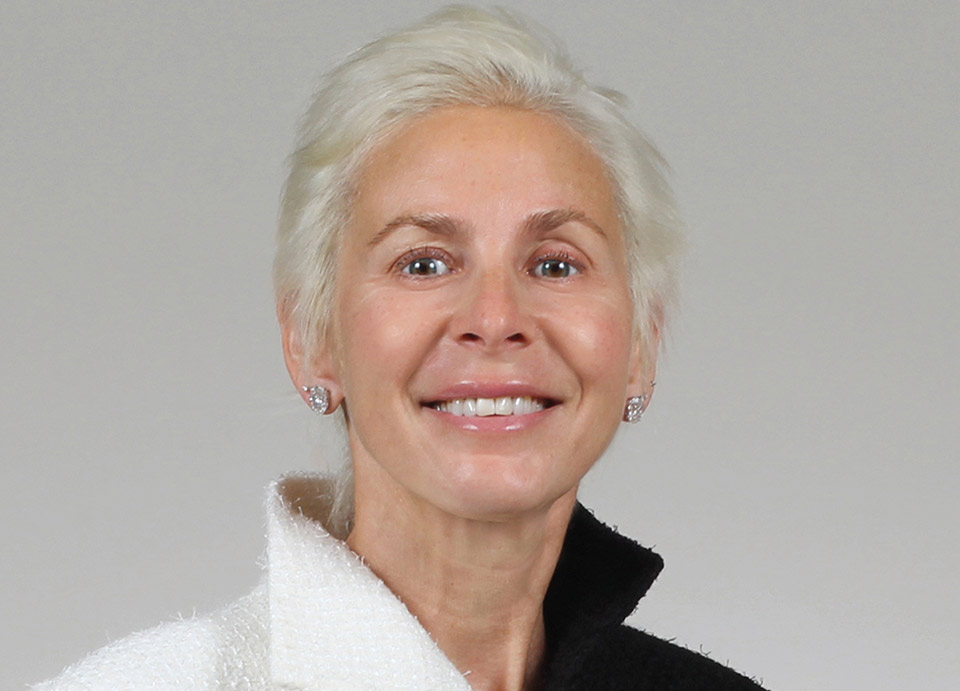
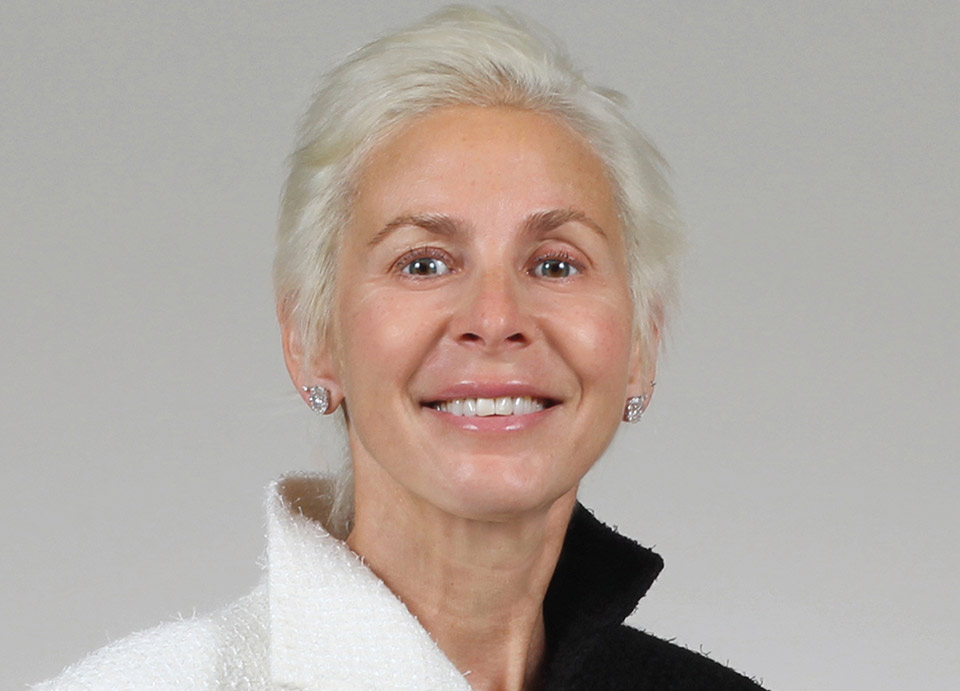
“Every company we meet is experiencing a micro transition,” says Elif Bilgi Zapparoli, who was co-head of global capital markets at Bank of America before becoming head of international client strategy in June. “We have to get to net zero and that requires changes in different orders. We sit at the intersection of that with the capital markets.”
There has seldom been a time when it has been more important to plan ahead. “We are formulating a group of balance sheet doctors,” Bilgi Zapparoli explains. “Our role is to present scenarios as clients are starting to think ahead. Markets will reward those on the front foot strategically in how they optimize their balance sheet.”
Shortlisted
- Goldman Sachs
- Morgan Stanley
How the bank itself uses its balance sheet has been in evidence this year, as equity markets have sputtered and funding costs have risen sharply. BofA topped the global loan mandated lead arranger league tables during the awards period, underwriting $359 billion worth of business for a 7.46% market share. Closest rival JPMorgan wrote $315 billion over the same period.
In debt capital markets, the two were reversed, with JPMorgan topping the table and BofA ranking second with a 5.16% share to JPMorgan’s 5.89%. In a year that was less about equity capital markets than usual, BofA made the top five behind traditional ECM stalwarts Goldman, JPMorgan and Morgan Stanley and Citic Securities.
Bringing the largest-ever European IPO by market capitalization is not for the faint-hearted. Bringing it in the middle of extraordinarily volatile markets last September is a white-knuckle ride. Goldman, JPMorgan and Citi were all global coordinators on the €9.1 billion Porsche IPO deal along with BofA, but being stabilization agent under these kinds of conditions demanded a particular level of skill that would be tested to the limit.
“We were coming to the market when there was no market, so we were very cautious in how to prepare,” explains Bilgi Zapparoli. “We were left lead and stabilization agent.”
The deal was also the largest IPO of non-voting shares globally and the largest German IPO since Deutsche Telekom in 1996. The story was one of transition, but nothing could be taken for granted. BofA led one of the biggest marketing programmes for an equity deal globally: more than 1,250 investors from more than 750 different institutions were met during a seven-day roadshow, the first in-person for a European IPO since before the pandemic in 2020. Getting between €3 billion and €4 billion from cornerstones essentially de-risked the transaction.
Despite the tough market backdrop, the shares closed flat on the day and not much stabilization was needed: BofA only purchased shares on the first four days of trading and stabilization was closed early once the share price had risen 12% in the first week. Only 26% of the maximum greenshoe was used.
The Porsche IPO was a powerful demonstration of the strength and scale of the networks that a bank such as BofA can call on when conditions are challenging. The stock is now up 40% since listing and it was the deal that essentially reopened the market.
“The era of liquidity has created these huge pools of money and we have to play all of the pools of capital,” says Bilgi Zapparoli. “There is no such thing as pure public and pure private credit anymore.”
In some firms, rates and currency sit in markets – we have it sitting in banking. This is a critical component
Elif Bilgi Zapparoli
But it wasn’t just about scale. It was also about realizing the extent to which markets have changed and understanding how to read them. As rates and inflation rise, factors come into play that may not have been on the radar of corporate CFOs for a very long time – if at all.
“Hedging was forgotten when interest rates were zero, but now hedging, FX and rates are very material,” Bilgi Zapparoli points out. “These are board-level conversations now.”
A good example of this was Philip Morris’s acquisition of Swedish Match, which was announced in May 2022. BofA was financial adviser to Philip Morris and provided a $17 billion bridge loan to what is the largest-ever acquisition in the Nordic region.
Again, the deal faced market volatility, but again – in line with BofA’s commitment to sustainability – it was, like Porsche, a transformation story with Philip Morris buying Swedish Match to move away from cigarettes and become a smoke-free company.
Acquisition-related risk management was crucial to this transaction as the bridge was underwritten in dollars but the SKr176 billion ($16.2 billion) deal was priced in Swedish krona.
“We needed to look across the markets given the size of that exposure,” says Sandeep Chawla, co-head of investment grade capital markets at BofA. “We are not in the business of advising clients how to speculate – you need to align risk tolerance. An enormous amount of thought went in to developing a nuanced strategy and we had to come up with a lot that was bespoke. This was a very significant value add.”
Bilgi Zapparoli sees this as a key differentiator. “Structurally you need to put rates and currency together with capital markets and investment banking very early to bring in the expertise as the deal is being formulated. In some firms, rates and currency sit in markets – we have it sitting in banking. This is a critical component.”