
COUNTRY INDEX

|
ANGOLA |
||
|
Best Bank: Banco Angolano De Investimentos |
|||
|
Best Investment Bank: Standard Chartered Angola |
|||

Advantageous financial services reforms, abundant natural resources and a young population means there is plenty of potential for long-term economic growth in Angola. The banking sector is dominated by six large lenders, with very little competition from non-bank institutions.
Banco Angolano de Investimentos (BAI) remains Angola’s leading private-sector bank. It has been pursuing a consolidation strategy that is now yielding encouraging results. Last summer’s initial public offering of 10% of the business raised NKz40.1 billion ($60 million).
The deal was the first IPO in Angola and preceded the launch of the stock exchange after a decade of anticipation. BAI also became the first bank to conduct a transaction on the Angolan exchange.
As of December 2022, BAI held a 19% market share of deposits and 11% market share of loans in Angola. It reported a return on assets of 3.2% and a return on tangible equity of 26.4%. Total revenues came in at NKz264 billion and profits before tax stood at NKz115 billion.
The bank has invested heavily in refurbishing its IT systems, adopting a cloud-first strategy using data centres from US tech company VMware.
Over the past 12 months, Standard Chartered Angola was present on a number of important deals that further cement its position as the leading sustainable investment bank in Angola – a position it has built since the opening of its subsidiary in 2014.
The biggest transaction was a $1.1 billion project financing in the capital city of Luanda for the development of water production, purification, transmission, storage and distribution facilities.
Standard Chartered also acted as sole coordinator and structuring bank, joint underwriter and joint initial mandated lead arranger for the first $900 million guaranteed facility with the IBRD, and as structuring and coordinating bank, bookrunner and mandated lead arranger for the $165 million guaranteed facility with BpiFrance Assurance Export.
The bank also signed €238 million of export credit agency supported financing for the government to build new infrastructure, supporting the agriculture and transport sectors.

|
CÔTE D’IVOIRE |
[index] |
|
|
Best Bank: Societe Generale Côte D’Ivoire |
|||
The Ivorian banking sector was in the news for all the wrong reasons in 2022, when the government’s economic and financial criminal division launched an investigation into suspected money laundering of up to CFEFr52 billion ($84 million). The Ivorian subsidiary of Societe Generale, which continues to dominate the banking sector in the country, was given a clean bill of health in connection with the investigation in April this year, just after the end of the awards period. A former executive remains under investigation, however.
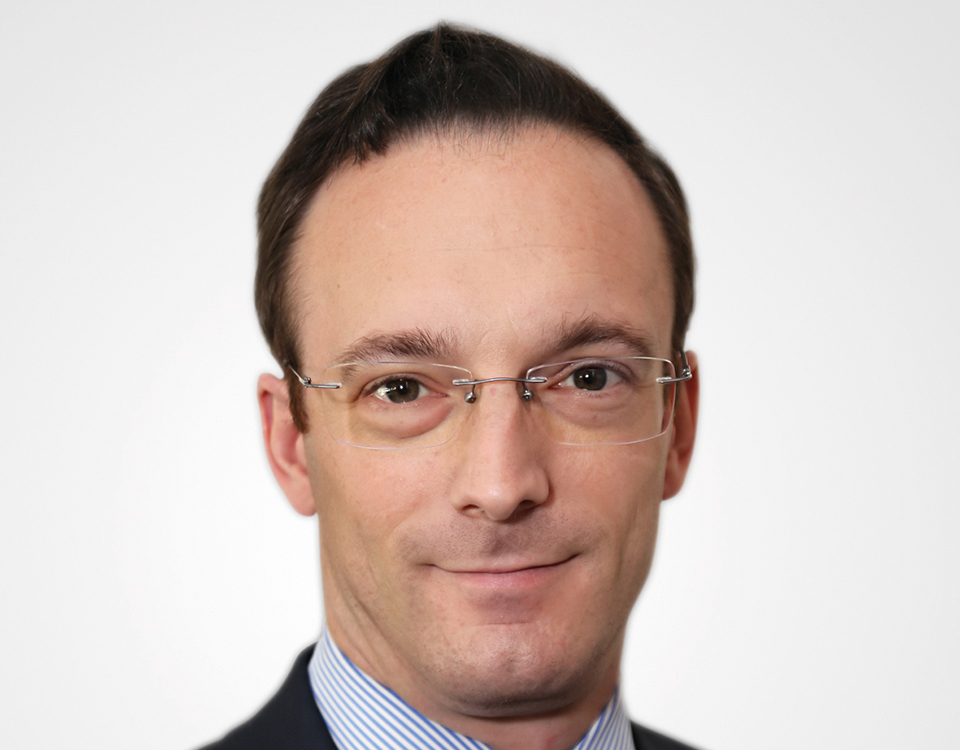
Present in the country for 60 years, Societe Generale Côte D’Ivoire (SGCI), under the leadership of chief executive Aymeric Villebrun, is well positioned to weather the current challenges and achieved another year of impressive financial results in 2022.
At year end, the bank had 20.1% market share in loans and 17.6% in deposits, with many business lines performing well across its 88 branches. SCGI managed to grow its income by 10.6% year on year, while increasing outstanding loans by 15.4%. The bank attributes this growth to bridging loans granted to the state of Côte d’Ivoire and to consumer-loan momentum.
It recorded a cost-to-income ratio of 44.8%, with a non-performing loan ratio of 7.8% and return on equity of 21.6%.

|
DR CONGO |
[index] |
|
|
Best Bank: Equity BCDC |
|||
Although it was only established in 2020 through the merger of Equity Bank Congo and Banque Commerciale du Congo, Equity BCDC has grown quickly and is now a strong presence in the DR Congo banking sector.
Led by chief executive Célestin Mukeba, Equity BCDC opened on average 3,000 new accounts a day in 2022 and now has 1.6 million accounts, up from 1.1 million immediately following the merger. In 2021, only 27.4% of over-15-year-olds in the DRC had access to a bank account, and Equity BCDC is focused on improving financial inclusion in the country.
As well as financial inclusion, Equity BCDC is focusing on small and medium-sized enterprises. In 2022, it worked with the US Agency for International Development to create a $700,000 blended finance solution for artisanal and small-scale mining operators in the country.
Particularly noteworthy is the bank’s work with regulators in the DRC to introduce its agency banking approach, which sees the bank partner with small businesses such as supermarkets and pharmacies, enabling them to act as banking agents.
In the review period, Equity Bank increased its stake in the DRC lender by 6.6% to a total of 84.1%. The deal valued the DRC bank at KSh140 billion ($1.01 billion) and makes it Equity Bank’s most valuable subsidiary. The capital boost gained by Equity BCDC is expected to fund development projects and large mining and manufacturing companies in the DRC.

|
GHANA |
[index] |
|
|
Best Bank: Access Bank (Ghana) |
|||
|
Best Investment Bank: Rabobank |
|||
Our review period was a challenging time for Ghana’s banking sector following the government’s write-down of domestic bonds in order to meet the conditions of an IMF bailout. Most banks have been hit hard by the crisis. But conditions are beginning to improve and Ghana’s best bank, Access Bank, has weathered the storm well.
It was one of the few banks in the country to return to profit in the first quarter of 2023. The bank posted a C261 million ($23 million) profit before tax in the first three months of this year – almost double that of the same period last year. Its non-performing loan ratio also fell from 4.04% in the first quarter of 2022 to 2.92% in the first quarter this year.
But it is not just about the numbers. Despite the economic difficulties, the bank, led by managing director Olumide Olatunji, launched a number of initiatives in the review period.
In 2022, the bank launched the new Ghana Pay app, established by Ghana Interbank Payment and Settlement Systems alongside its own app, AccessPay, to help encourage digital payments.
Access Bank ran a number of initiatives to boost small businesses in Ghana. Working with small and medium-sized enterprises, the bank hosted workshops and clinics for owners to promote growth and help with non-financial needs. It also ran a business fair to promote women in business and introduced a business advisory service that offers owners access to free professional advice on partnerships, taxation and financial management.
In terms of corporate social responsibility, Access Bank worked with the Ghanaian government to plant 20 million trees and ran a number of initiatives targeting education for girls. It worked with the government on the Green Ghana Initiative and funded the cost of 20,000 seedlings, with staff across the country participating in the tree planting. It was also involved in projects to promote the education of girls in the Ga region.
Access Bank has 53 branches, 99 ATMs and over 750 agency banking agents across Ghana. During the review period it provided a total of C1.83 billion in loans to customers.
Despite the challenging financial environment in Ghana in the awards period, a steady flow of capital markets transactions got done – and the standout investment bank working on them was Rabobank.
The Dutch bank completed two of the largest loans. It was mandated lead arranger and bookrunner on a $1.13 billion syndicated loan for Ghana Cocoa Board in October 2022. The loan was oversubscribed and upsized by $130 million, playing an important part in securing financing for Ghana to buy beans for its cocoa industry.
Rabobank also acted as mandated lead arranger on a leveraged $80 million loan for Cocoa Touton Processing in April 2022.
The investment bank continued a number of initiatives in the corporate social responsibility space in Ghana, including those implemented by its impact lender, Rabo Rural Fund. The fund provides financing to farmer/producer cooperatives and small and medium-sized enterprises in Africa, Asia and Latin America. It offers a vital funding solution for SMEs who have outgrown grants, micro-credit and soft loans but do not qualify for a standard bank loan.
In 2022, Rabobank co-founded Sustain Africa, an emergency response and resilience partnership committed to preventing an escalation of the food crisis in sub-Saharan Africa caused by the surge in fertilizer prices following the war in Ukraine.

|
KENYA |
[index] |
|
|
Best Bank: Equity Bank Kenya |
|||
|
Best Investment Bank: Stanbic Bank Kenya |
|||
Equity Bank Kenya had a good year in its home market last year. Its profit before tax reached KSh42 billion ($300 million) and it achieved a return on assets of 38%. A non-performing loan ratio of 10% remains high but well below Kenya’s industry average of 14%.
The bank launched a number of new products and services in the awards period, including work on remittances, the acquisition of a stake in Spire Bank and a number of environmental, social and governance projects.

In February 2023, Equity Bank integrated Western Union services into its Equity Mobile app and Equity Online banking suites, enabling customers to send and receive international money transfers from their devices. The bank also migrated its PayPal withdrawal service onto its mobile app and online platform.
In November 2022, it partnered with Nala Payments to improve the efficiency and cost of sending remittances home for Kenyans living in the UK and US. In February 2023, it acquired 20,000 customers from Kenyan Spire Bank, adding deposits of KSh1.32 billion and 3,700 loan customers valued at KSh945 million to its core business.
The bank, led by chief executive James Mwangi, continued its work in the community, offering scholarships to 1,000 children through the Wings to Fly scholarship programme funded by Equity Group in partnership with the German development agency, KfW.
The bank’s work with African Continental Free Trade Area on the Africa Recovery and Resilience Plan was particularly noteworthy.
The bank boosted its presence across Africa with the acquisition of a further 6.6% stake in its DR Congo subsidiary, Equity BCDC, looking to leverage the high volume of financially excluded people in that country.
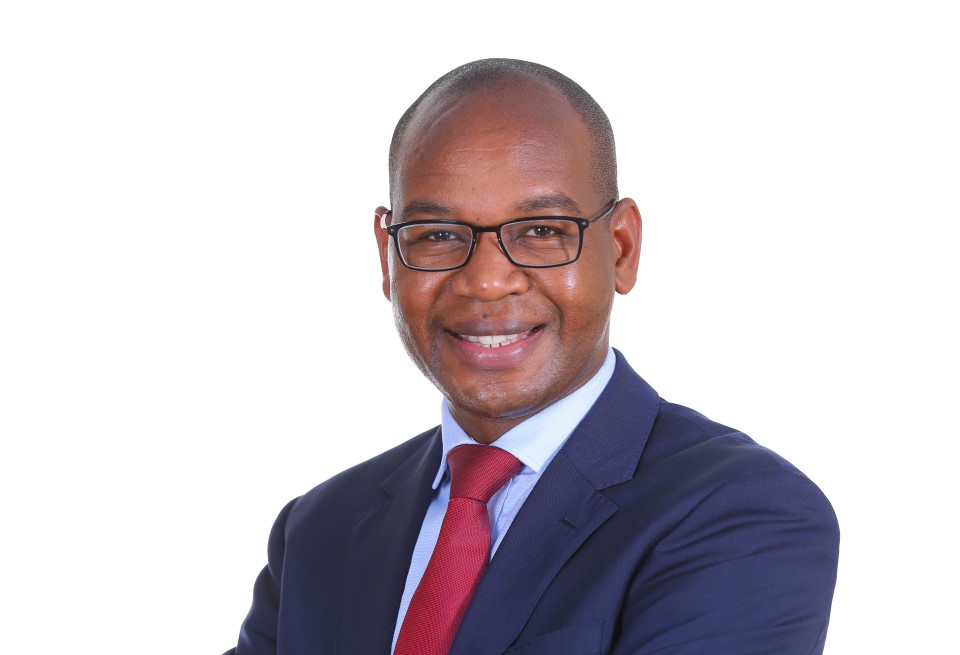
Stanbic Bank Kenya, under the leadership of Joshua Oigara, was the standout investment bank in Kenya over the review period. It acted as sole arranger and senior debt provider on a $63 million term loan for the Kenya Ports Authority to complete construction and start the operation of the first three berths at the Port of Lamu.
It also worked alongside Standard Bank of South Africa as mandated lead arranger and coordinator for a KSh10 billion ($72 million) facility for the Kenya Road Annuity Programme. In December 2022, Stanbic worked on the upsizing of one tranche of Greenlight Planet Kenya’s $75 million sustainable finance facility by $20 million.
In July 2022, the bank acted on Equity Group Holding’s acquisition of the 6.6% stake in Equity BCDC from minority shareholders. The transaction set a precedent in the DRC for the acquisition of shares held by a wider shareholding base.

|
MAURITIUS |
[index] |
|
|
Best Bank: Mauritius Commercial Bank |
|||
The Mauritius economy has been bouncing back since the pandemic. Having grown by 3.5% in 2021, the economy was forecast to be up by 7.8% at the end of 2022.
Mauritius Commercial Bank – which follows a June-to-June financial year and reports half-year results in December – showed a 41.7% increase in net profit after tax compared with the same period in 2021. The higher interest-rate environment helped the bank increase its operating income by 24.1%, while it also benefited from higher revenues from trade finance.
It remains the bank of choice for the island’s population, with a 31% market share of retail customers and 45% share of corporate customers. It also has a 48% market share of local-currency deposits and 40% of domestic credit, with total deposits having increased by 14.2% year on year and loans and advances by 9.9%.
Continuing in its digitalization efforts, the bank has launched an internet banking service for non-individual customers, IB Pro, to complement its existing digital banking offering.

|
MOROCCO |
[index] |
|
|
Best Bank: Attijariwafa Bank |
|||
Attijariwafa Bank remains the bank to beat in Morocco. Despite the negative impact of the shift in sovereign bond yields, the bank continues to outperform its peers. Profits before tax increased by 20.1% in 2022, with customer loans and deposits growing by 8.5% to Dh29.5 billion ($2.93 billion) and 8% to Dh30.5 billion respectively in 2022.
Attijariwafa’s market share of customer loans grew slightly from 25.7% in December 2021 to 26.1% in December 2022 – well ahead of its largest domestic rival, Bank of Africa, with 12.35%.
The bank attributes this growth to several business lines but in particular to international retail banking, which grew by 18.4%, and insurance, which was up by 53.4%.
It is also doing well digitally, having made progress on its strategy to automate end-to-end customer processes. In the year ending December 2022, 89.8% of its operations were processed through digital banking, including transfers, disposals payments and deposits.
In Morocco, micro, small and medium-sized enterprises (MSMEs) make up about 90% of the business sector and are a core customer base for Attijariwafa Bank. In 2022, the bank granted Dh14.2 billion in loans to MSMEs.

|
MOZAMBIQUE |
[index] |
|
|
Best Bank: Banco Comercial e de Investimentos |
|||
|
Best Investment Bank: Standard Bank Mozambique |
|||
Since the pandemic, Mozambique’s recovery has been driven by progress in the services and agriculture sectors, as well as by global demand for key exports such as coal and aluminium. However, elevated government debt, fiscal deficits and unresolved public-sector debt liabilities have contributed to the country’s poor credit rating.
Despite this challenging environment, Banco Comercial e de Investimentos (BCI) takes this year’s award for Mozambique’s best bank.
The bank has maintained its market leadership in credit (24.25% share), deposits (25.41%) and assets (23.68%). Net profit grew by 55.25% in 2022, reaching Mt8.08 billion ($130 million).
BCI grew its customer base by 100,000 in 2022, reaching 2.2 million customers at year end. This customer base is becoming increasingly digital, a product of the bank’s strategic focus on improving digital processes and infrastructure.
The bank managed to grow its asset base by 8.05% to Mt202.7 billion in spite of the weak demand for credit; it recorded a return-on-equity ratio of 32.91% up from 23.88% in 2021.

The investment banking landscape remained challenging in Mozambique, with insurgent activity in the north, rising oil prices and double-digit inflation all acting as obstacles to local capital market activity.
Standard Bank Mozambique, under the leadership of a new chief executive, Bernardo Aparício, was involved in the key deals in the country. It was mandated lead arranger and sole lender for the $22.4 million rolling stock acquisition funding facility for Portos e Caminhos de Ferro de Moçambique and a Mt1 billion ($15.6 million) revolving credit facility for Cimentos de Moçambique, the Mozambican subsidiary of Brazilian firm InterCement.
Standard Bank was also co-arranger and bookrunner for a Mt292.9 million five-year bond for Bayport Financial Services as part of the issuer’s local currency bond programme launched in 2022.

|
NIGERIA |
[index] |
|
|
Best Bank: Guaranty Trust Bank |
|||
|
Best Investment Bank: Chapel Hill Denham |
|||
For Nigerian banks, Ghana’s sovereign-debt restructuring added to domestic troubles – high inflation and falling net interest margins – caused by the Nigerian central bank’s cash-reserve requirement policy.
Ghana is a key area for Nigerian banks’ regional expansion strategies, so the restructuring has led to painful impairments for those banks.
Rising central bank rates and new political leadership in Nigeria are now bringing hope for policy changes that might allow banks to manage their liquidity more profitably. However, there is a degree of fear about new problems that may emerge in terms of counterparty risk and credit costs.
There are big differences between Nigerian banks, reflected in their starkly divergent price-to-book valuations. Nigeria’s best bank, Guaranty Trust Bank, has continued to do a good job of convincing investors that is better placed than its key competitors to deal with the risks ahead – and perhaps to take advantage of opportunities in economic and policy transition.
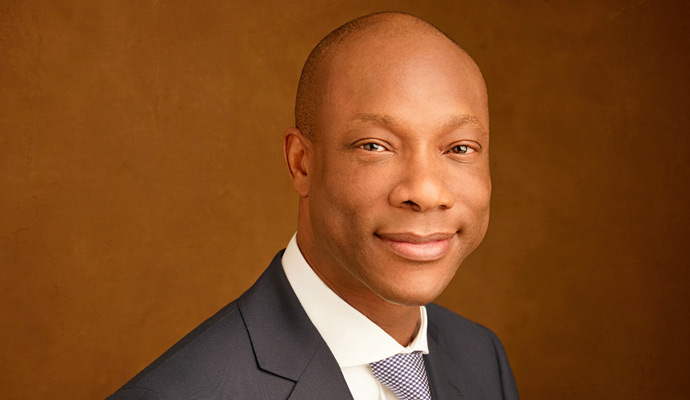
Despite the difficult operating environment, GTB made N169 billion ($260 million) in net profit in 2022, notching up an 18.6% return on equity and a cost-to-income ratio of 48%. Its non-performing loan ratio fell to 5.2%.
The group progressed a number of strategic initiatives following its restructuring into a holding company in 2021. After its acquisition of Investment One Pension Managers and Investment One Fund Managers, it launched HabariPay – with its flagship Squad point-of-sale product allowing businesses to accept card payments using their mobile phone. However, group integration will help ensure this not a growth-at-all-costs fintech model, according to group chief executive Segun Agbaje.
Despite the difficulty of attracting international investment into Nigerian capital markets due to currency shortages and exchange controls, investment banking in Nigeria remains competitive, as independent firms vie with local banks.
Nigeria’s best investment bank, Chapel Hill Denham, retains its edge this year. Among a wealth of smaller M&A deals, Chapel Hill was central to the landmark takeover of Honeywell by Flour Mills of Nigeria, creating a new food and agriculture industry leader in Nigeria.
Its work with Access Bank continued, assisting the bank with new development finance funding and advising on the merger of Sigma and FGPL to make Access one of Nigeria’s largest pension fund managers. It advised Access on the acquisition of Atlas Mara Zambia, and separately advised on a tender offer for UBN, one of the country’s oldest banks, by Titan Trust Bank.
In capital markets, Chapel Hill can point to work for the state of Lagos, including a groundbreaking local currency green-bond issue and issuance by MTN Nigeria, including a N150 billion ($230 million) commercial-paper programme.

|
RWANDA |
[index] |
|
|
Best Bank: Bank of Kigali |
|||
Competition in Rwanda’s finance sector is growing. Regional banks, including Equity Bank, I&M Bank and KCB Group have all recently identified the country as an expansion opportunity and are growing their market shares there. But Bank of Kigali remains Rwanda’s best bank.
The bank saw a steady increase in profit before tax, which rose 15% year on year to RF88.5 billion ($78 million) in 2022. The non-performing loan ratio fell to 2.6% from 4.6% the year before, while the bank’s total assets continued to increase, reaching RF1,854 billion.
The bank, established in 1966, has a strong physical network in the country, with 67 branches and 101 ATMs.
In the review period, it launched the BK mobile app, which allows customers to manage their cards, schedule payments, set transaction limits, access statements and receive monthly insights into their spending. It also has plans to develop this further by enabling users to onboard themselves and open a bank account with just a scan of their face and ID. To improve digital communication channels with customers, the bank also launched a chatbot, including on WhatsApp.
As part of its financial inclusion efforts, the bank has launched an initiative to improve access to smartphone and mobile banking. Macye Macye is a digital micro-lending solution enabling customers to obtain a smartphone and repay the loan through instalments as low as RF200 ($0.18) a day – it has already seen 14,000 loan bookings since inception.
The bank has also improved its services for small and medium-sized enterprises and retail clients by launching small business and mortgage centres.

|
SOUTH AFRICA |
[index] |
|
|
Best Bank: Standard Bank |
|||
|
Best Investment Bank: Absa CIB |
|||
Higher interest rates and a worsening electricity crisis mean the business environment for banks is not getting easier in South Africa. Credit losses are creeping up fastest on the retail side due to cost-of-living pressures.
Good financial results at Standard Bank have come partly thanks to its decision not to step back from risk too aggressively during the Covid crisis and its aftermath. Its loan book posted an 8% compound annual growth rate between 2017 and 2022, reaching R1.5 trillion ($82.5 billion) at the end of 2022, leading to a 22% CAGR in net interest income during the same period. Customer numbers and fees have also seen strong increases.
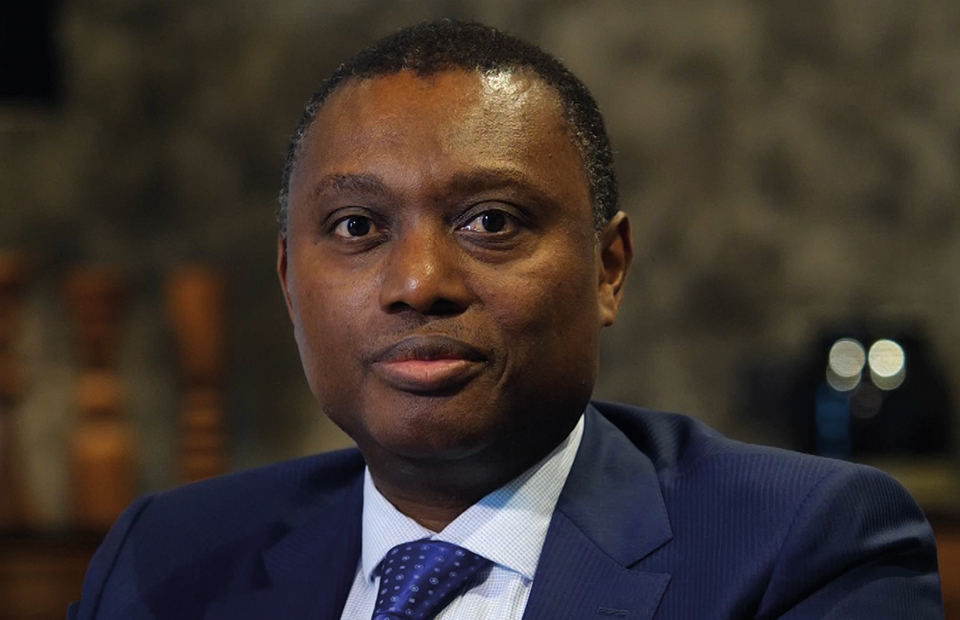
Standard Bank, like other South African banks, has increased its focus on climate change, not least because this topic is strongly tied with tackling the country’s electricity crisis. The bank issued its first sustainability linked loan in late 2022, which was the first loan of its kind in the country to be linked to both environmental and social indicators.
Not surprisingly, given South Africa’s electricity crisis, energy-security projects, including renewable energy, constitute the fastest growing part of Standard Bank’s loan book, both in retail and wholesale banking, according to group chief executive Sim Tshabalala.
Meanwhile, as concern grows about credit losses, the bank’s diversification between retail and corporate banking should help. So far, credit losses have remained relatively low. The group’s credit loss ratio was roughly flat at 75 basis points in 2022, well within its target; and rivals that pulled back too dramatically are paying the price in terms of their revenues, Tshabalala argues.
“We stood by our clients during Covid and post-Covid, whereas a lot of banks withdrew,” he says. “We stuck to the through-the-cycle views we hold of risk acceptance criteria. The result of that is that post-Covid we have a larger balance sheet. With higher interest rates, a larger deposit and lending base generates higher net interest income.”
In this challenging economic environment, Absa CIB stood out for its efforts to lend heavily in the renewable energy space and for broader sustainability commitments in South Africa, under head of investment banking David Renwick. The year was marked by UK lender Barclays selling its remaining 7.4% share in the firm, marking its complete exit from the group and from the African continent in August 2022.

Over the past 12 months, Absa ranked number one in the debt capital markets league table, with 21 transactions worth a total of $1.57 billion, giving it a 25.5% market share, according to data from Dealogic.
Absa was joint M&A adviser and debt adviser to Infinity Group and Africa Finance Corporation in the 100% acquisition of Lekela Power in July 2022 – the largest renewable energy deal in Africa valued at $1.5 billion.
Absa was also active in South Africa’s other core sectors. One of the most important deals of 2022 was Harmony Gold Mining’s syndicated sustainability linked and green debt package on which Absa was global coordinator, bookrunner, sustainability coordinator and mandated lead arranger.

|
TANZANIA |
[index] |
|
|
Best Bank: NMB Bank |
|||
|
Best Investment Bank: Stanbic Bank Tanzania |
|||
Tanzania’s banking sector has been on a very strong growth trajectory, and 2022 was a record-breaking year for the country’s commercial banks. Profitability for the sector surpassed TSh1 trillion ($442 million) for the first time in the first quarter of 2023.
The rise of digital financial services, coupled with a business and investment-friendly legislature is feeding economic optimism. In this environment, NMB Bank has had a stellar year. The bank recorded TSh429 billion in profits after tax in December 2022, up 48% from TSh290 billion in 2021.
Its revenues rose by 21%, while its total assets grew 18% year on year to TSh10.3 trillion and return on equity jumped to 25% from 21%. Net loans and advances grew by TSh1.4trillion, 29%, driven by an increase in its retail and wholesale loans portfolio.
The bank has made considerable efforts to align its product line with its social impact objectives, with projects like the Mwalimu Special, a banking solution for teachers that incorporates vehicle loans, microcredit facilities and insurance. Its flagship Jasiri Proposition generated 3,205 new loans to women and women-owned businesses to the tune of TSh74.3 billion.
Pursuing a long-term digital innovation strategy, NMB also launched a mobile lending solution, Mshiko Fasta, last year via the NMB Mkononi mobile banking platform.
Capital market transactions might be few and far between in Tanzania, but when they do happen, Stanbic Bank Tanzania is often on the deal.
One of the standout transactions in the awards period was the sale of Millicom International Cellular’s Tanzanian operations to pan-African Axian Group in April 2022 for $100 million. Stanbic Bank acted as co-adviser on the sell side. It also acted as arranger and sole lender to Mufindi Paper Mills for a $20 million medium-term loan. Owned by the east African family enterprise Rai Group, Mufindi has a 60% market share in Tanzanian paper manufacturing. The loan will go towards a project to use sugarcane bagasse as a more sustainable raw material for paper making.
Stanbic also funded a $20 million term facility for Shanta Mining Co, which owns two gold mines in Tanzania.

|
TUNISIA |
[index] |
|
|
Best Bank: Banque International Arabe de Tunisie |
|||
Banque International Arabe de Tunisie (BIAT) is Tunisia’s best bank this year, thanks to the impressive results it generated through its large network of 206 branches across the country.
It reported a net banking income of TD1.267 billion ($407 million) at the end of 2022, up TD251.6 million since 2021, cementing its position as the strongest bank in the country by far. Its profit growth was four times that of its nearest rival, Banque National Agricole enTunisie.
BIAT lending grew by 14.49% with deposits up by 4.93%. Its return on average assets stood at 1.51%, with total asset growth of 9.38% year on year and its return on total average equity was 16.11%.
BIAT’s financial performance attests to its solid risk-management policies, good governance and cost controls, and to the smart choices it has made on strategic development. It partnered with Dutch fintech company Backbase last year to launch a new retail digital banking app. The Tunisian lender also signed a regional trade-facilitation programme worth $50 million with the European Bank for Construction and Development.
Like other banks in the country however, BIAT was impacted by Moody’s downgrading of its long-term bank deposit ratings to Caa2 from Caa1 due to uncertainties around local operating conditions exacerbated by the government’s large funding needs.

|
UGANDA |
[index] |
|
|
Best Bank: Stanbic Bank Uganda |
|||
Stanbic Bank Uganda had an excellent review period. The bank, which has the largest network of branches and ATMs in the country, focused on sustainable growth and introduced a number of initiatives reflecting that. One example was its Flexi Pay all-in-one digital lifestyle solution, which saw more than 500% year-on-year growth in transactions volumes in 2022, with 500,000 wallets and 33,000 merchants.
The bank’s Stanbic for Her initiatives are designed to increase access to financial services for women. The product was targeted at widowed and disabled women, street vendors, single mothers and startups. The bank has disbursed USh20 billion ($18 million) to around 2,000 women. By the end of 2022, the programme had trained more than 18,500 women in the fundamentals of bookkeeping, tax reporting and accounting, giving them the confidence to run their own businesses.
The bank’s work with small and medium-sized enterprises in the review period also stood out. Around 11,000 small businesses opened accounts with Stanbic Bank Uganda in the past year. The bank also ran a training programme for small business owners, which saw 1,038 SMEs in the ecotourism and climate-smart agriculture sectors receive training in business.
In the environmental, social and governance space, the bank gave USh61 billion to the education sector through a combination of donations and cheaper financing. It also planted 70,000 trees in partnership with the ministry of water and the environment.
The bank also acted on a number of deals in the country in the awards period, including M-Kopa Uganda’s $37 million facility and CFAO Motors Uganda’s $10 million three-year facility.

|
ZAMBIA |
[index] |
|
|
Best Bank: Zambia National Commercial Bank (Zanaco) |
|||
|
Best Investment Bank: Stanbic Bank Zambia |
|||
Zambia is still working through the legacy challenges of the Covid pandemic. However, the country has established a strong reform programme to restore stability and encourage a private sector-led economic recovery. As well as its robust credentials, Zambia National Commercial Bank’s (Zanaco) work in the community, in promoting small businesses and in sustainable finance made it stand out as the country’s best bank.
The bank, under chief executive Mukwandi Chibesakunda, grew its deposit base to ZK29.5 billion ($1.49 billion) at the end of December 2022, up from ZK19.1 billion a year earlier. Total profit before tax grew 11% year on year to ZK1.73 billion at the end of 2022.
In the review period, the bank worked on small and medium-sized enterprise financing initiatives, including the launch of a partnership with British International Investment worth $50 million for lending to SMEs, with an emphasis on women-led SMEs and those in the green space.
It also received accreditation to the Green Climate Fund, which will provide Zanaco with access to $50 million for on-lending to climate-related projects. It also launched its plant-a-million-trees project to be completed over the next three years.
In 2022, the bank participated in Financial Literacy Week and World Savings Day activities to extend financial literacy training to youths and schoolchildren. It also partnered with Study Connect International on a kids MBA programme that gives children a head start in entrepreneurship and financial literacy.
Other notable partnerships in the year included one with World Vision Zambia under the Strong Girls, Strong Zambia campaign. The initiative is aimed at withdrawing 15,000 girls from early marriages by 2025 by providing them with education and safe spaces.
Capital markets activity has been muted over the last few years in Zambia due to illiquidity. Nevertheless, Stanbic Bank Zambia‘s investment banking team has been actively involved in promoting the capital markets in the country and was busy in the debt solutions and advisory business. The investment bank’s loan book grew 38% year on year in 2022.
It has continued its work in the developmental projects space, partnering with Standard Bank, ICBC and the Zambian government in the construction of the 750-megawatt Kafue Gorge Lower Power Station project worth over $2 billion.