COUNTRY/TERRITORY INDEX

|
AFGHANISTAN |
|
Best Bank: Afghanistan International Bank |
|

Afghanistan International Bank (AIB) remains the most stable and reliable institution in a country facing one of the world’s worst humanitarian crises.
Numbers are one measure of its success. Revenues for 2022 rose 66% year on year to Af3.69 billion ($41.8 million), while non-interest income more than doubled to Af3.05 billion. Its capital adequacy ratio was solid, non-performing loan levels more than manageable and its balance sheet continued to grow.
Equally impressive, AIB stayed profitable, recording after-tax profits of Af1 billion last year.
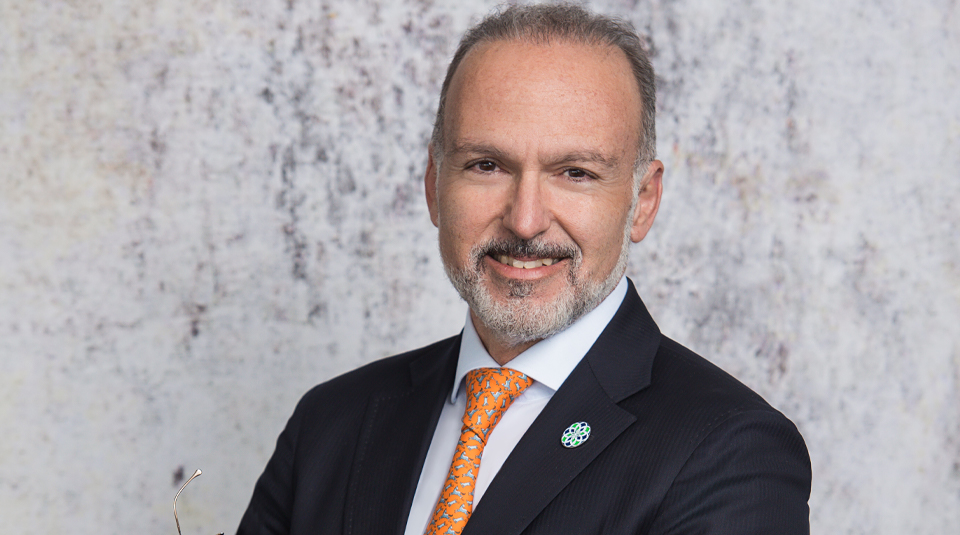
Led by chief executive Joseph Carasso, the bank gets many things right. It is the only Afghan bank with US dollar clearing through a recognized international bank, reflecting its credentials in the country. It has also long emphasized international standards around everything from financial crime and compliance management to anti-money laundering and cybersecurity.
In the past year, risk management was a particular emphasis, with AIB consolidating all risk-management activities under one division to boost efficiency. It moved all training to a new digital learning system that ensures that staff stay on top of all rules related to AML and combating the financing of terrorism.
Another focus has been digitalization. Some 350 million international transactions were conducted online last year, showing the platform’s importance for people who moved abroad following the Taliban’s takeover of Afghanistan.

|
AUSTRALIA |
[index] |
|
Best Bank: Commonwealth Bank of Australia |
||
|
Best Investment Bank: UBS |
||
The four big Australian banks all reported a solid set of results for the 2022 financial year and for the first half of 2023. But Commonwealth Bank of Australia (CBA) takes the award this year in recognition of its outperformance in most metrics during the review period.
Cash profit from continuing operations for the 2022 financial year grew 10.9% to A$9.6 billion ($6.6 billion), faster than that of ANZ, National Australia Bank and Westpac. Its cash return on equity rose 120 basis points to 12.7%, also better than that of the other three big Australian banks.
CBA was also the biggest in terms of profit before tax, total assets, total equity and market capitalization during the financial year. And it maintained its top ranking in the 2023 first half period ending December 31, 2022, across profits and total assets.
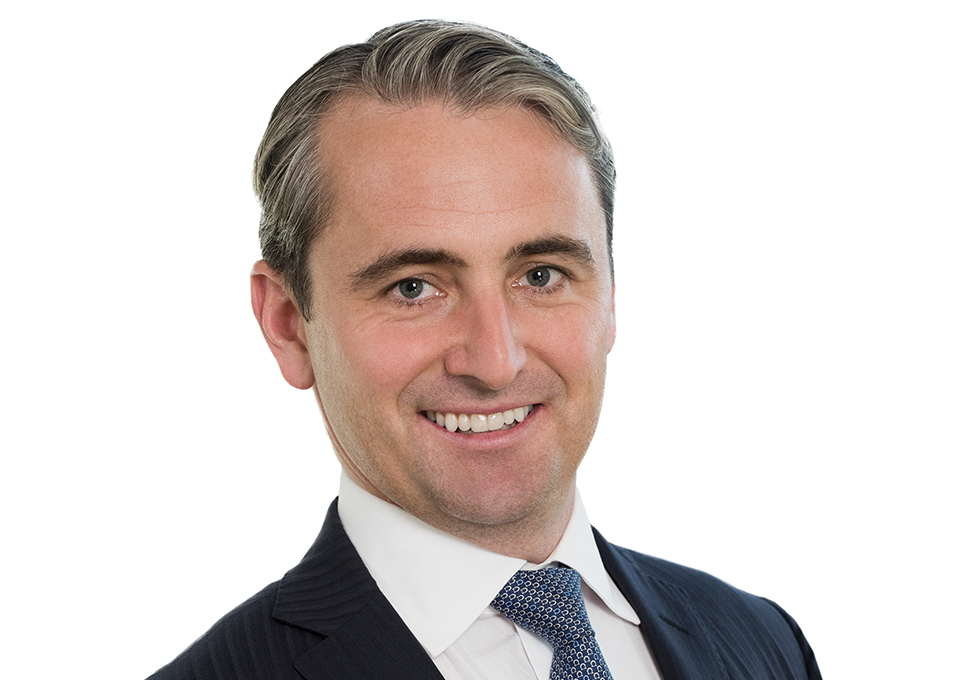
Matt Comyn, CBA’s chief executive, held the ship steady amid broader market volatility by focusing on the bank’s core strategy and pushing on with its digital agenda. This has involved rolling out a simple, fast and mobile-first digital home-loan platform called Unloan and a money app called Kit designed to help improve children’s financial capability.
For businesses, CBA unveiled CommBank Smart Health, which allows real-time healthcare payments and claims, while its mainstream CommBank app brought out new features, including shopping discounts and loyalty offers.
Comyn will have his work cut out for him in the year ahead, however, with signs of stress on the loan portfolio emerging. Asset-quality deterioration is proving a real risk across the banking sector as inflation squeezes household finances amid a soft economic outlook for Australia.
In investment banking, UBS takes the award after losing out to Goldman Sachs for the last two years.
Having lost some of its talent to Barrenjoey and Jarden recently, the Swiss bank has rebuilt its Australian investment banking franchise and got back to the forefront of transaction advisory and execution activity.
During the awards period, UBS had a solid lead in equity capital markets deals, ranking top among bookrunners with $3.9 billion in credits for a 19.53% market share, according to Dealogic. There was a wide gap to second place Macquarie, which took an 11.91% share of the market.
UBS worked on some of the largest ECM deals of the year: the A$3.5 billion innovative pro-rata accelerated institutional, tradable retail entitlement offer (Paitreo) for ANZ (the first and only fully underwritten Paitreo of 2022 and the largest equity funded M&A deal globally during the review period); the A$3.1 billion accelerated, non-renounceable entitlement offer for Atlas Arteria; and a similar A$1.2 billion entitlement offer for Carsales.
Where there were large M&A deals to do, UBS was there too.
It was sole adviser to gambling firm Tabcorp on its jumbo $12.6 billion demerger of the Lottery Corporation; it advised Kinetic and Globalvia on their £648 million cash offer to buy the UK commuter company Go-Ahead Group and advised Elmo Software on its A$486 million acquisition by K1 Investment Management.
Another deal that highlighted UBS’s buy-side capabilities was its advisory role for BGH Capital on its A$800 million acquisition of reproductive technology provider Virtus Health in an off-market takeover bid. Its role spanned that of lender as well as adviser. UBS provided an upfront A$130 million guarantee-backed fund financing facility and was sole lead and underwriter on a A$495 million term loan B for the takeout.
UBS also had a strong year in debt, leading deals for banks, governments and corporations across multiple currencies – regaining its standing in the market.

|
BANGLADESH |
[index] |
|
Best Bank: Standard Chartered |
||
|
Best Investment Bank: UCB Investment |
||
A near 120-year presence in Bangladesh has not made Standard Chartered complacent in this market. Revenues in 2022 rose 35.7% year on year to Tk30.5 billion ($279 million), a figure that even surpassed pre-Covid revenues of Tk28 billion in 2019. The same goes for net profits, which grew an impressive 118% last year to Tk16.6 billion. This performance easily beat all its rivals, both domestic and international.
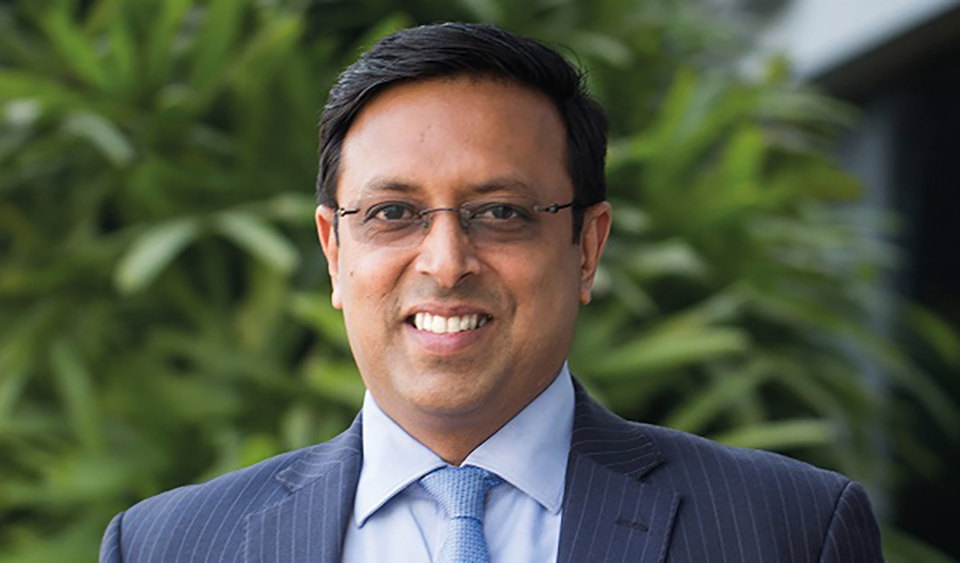
Beyond the numbers, Standard Chartered, whose Bangladesh chief executive is Naser Ezaz Bijoy, was a leader in environmental, social and governance (ESG) deals and in the digitalization of Bangladesh’s financial markets.
It completed the country’s first fully paperless and digital cross-border letter of credit for Heidelberg Cement Bangladesh, and the nation’s debut over-the-weekend automated loan disbursement for Nestlé Bangladesh. StanChart also unveiled the first virtual accounts for payments, which is set to simplify the fund and payment management process for clients.
In ESG, the bank arranged Bangladesh’s first green zero-coupon bond for Sajida Foundation, worth Tk1 billion, as well as the first green bond for Pran Agro, for Tk1.5 billion. Both were groundbreaking deals for Bangladesh and placed StanChart at the forefront of financial innovation in the country.
In recognition of its rapid growth and potential, UCB Investment takes the award for Bangladesh’s best investment bank for the first time, unseating City Bank Capital.
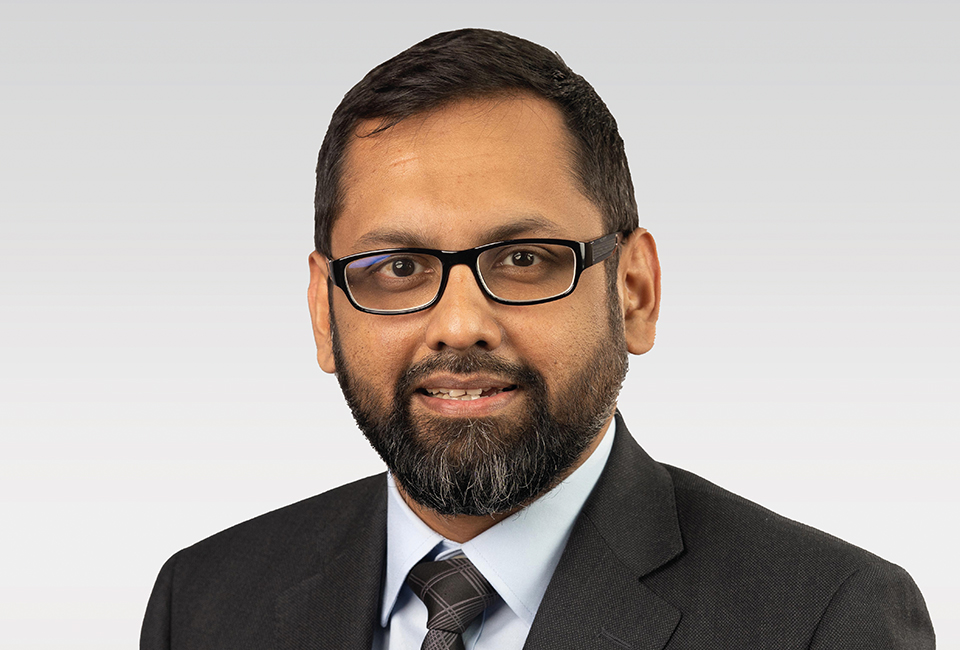
UCB Investment was founded by chief executive Tanzim Alamgir in October 2020, but it has shown a flair for innovation that is rare in Bangladesh’s financial sector.
An example was a Tk3 billion zero-coupon bond for Delta Brac Housing Finance Corporation. Another was a Tk8 billion additional tier-1 mudaraba perpetual bond for Islami Bank, which was the largest-ever perpetual in the country.
UCB Investment also helped Fair Electronics raise Tk2.2 billion from the sale of preference shares and Sonali Paper and Board Mills take a modest Tk109.8 million from a rights issue.
A coup for the firm was the Tk6 billion perpetual bond for the Export-Import Bank of Bangladesh (Exim). The issuer had initially mandated a rival for the transaction, but after the deal struggled to reach the finish line, Exim switched to UCB Investment. It managed to wrap up the deal successfully in September 2022.

|
BRUNEI |
[index] |
|
Best Bank: Baiduri Bank |
||
Baiduri Bank remains the standout bank in Brunei. This is not just down to its solid financial growth but also because of its commitment to digitalization, which has enhanced its capabilities in everything from data analytics to customer service.
The transformation began in 2020 but received fresh impetus last year. In September, Baiduri relaunched its digital banking service for businesses with a host of new features and followed it up with enhancements to its personal banking app. It also rolled out a digital wallet called Baiduri Qpay, which has gained traction among customers.
Crucially, chief executive Ti Eng Hui has been unafraid to launch disruption from within. In November, the bank signed an agreement with Temenos to run its core banking service on a software-as-a-service (SaaS) platform in the cloud. The first bank in Brunei to do so.
The replacement of legacy systems is already underway, with phase one of the migration project beginning in February this year.
Technological advancement is central to Baiduri’s business strategy. Robotic process automation of existing workflows and artificial intelligence chatbots are increasingly important in the bank.
Net profits at Baiduri grew 12.1% year on year to Br$65.6 million ($49 million) in 2022, while return on equity rose to 12.77%.
The non-performing loan ratio ticked up to 2.72% from 1.42% in 2021 as the travel industry remained under pressure post-Covid, impacting many corporate clients. But the bank is tackling that by diversifying its income streams to create a more resilient loan book in the future.

|
CAMBODIA |
[index] |
|
Best Bank: ABA Bank |
||
|
Best Investment Bank: SBI Royal Securities |
||
Nearly 60 commercial banks operate in Cambodia. Yet, ABA Bank consistently beats its peers across a range of criteria.
It is the largest commercial bank in the country by total assets, gross loans, customer deposits and profitability. It is also not showing any signs of letting up. In 2022, assets grew by 15% year on year to $9 billion, deposits by 17% to $7.3 billion and gross loans by 22% to $6.5 billion. Net profits were 23.7% higher at $262.3 million, making ABA the most profitable commercial bank in Cambodia for the third year in a row.
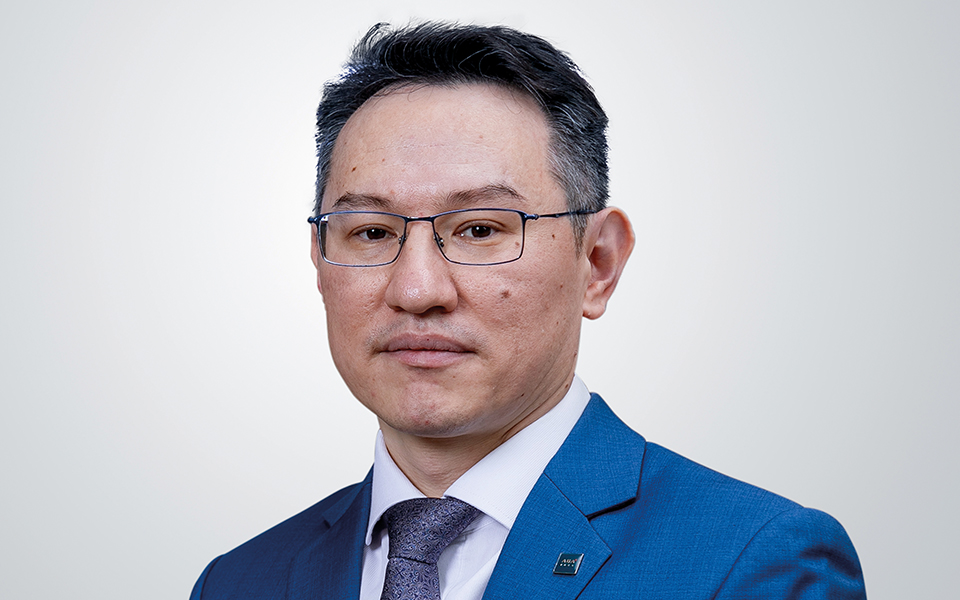
ABA, which is led by chief executive Askhat Azhikhanov and which operates as a subsidiary of National Bank of Canada, doesn’t rest on its laurels. ABA has long made digital banking a priority and last year introduced a range of new features to boost functionality. The result was a doubling in the number of transactions made via ABA mobile to 502 million and a 62% growth in the number of app users to 2.4 million.
The core banking business also had a good year, with the gross loan portfolio growing by 22% to $6.5 billion.
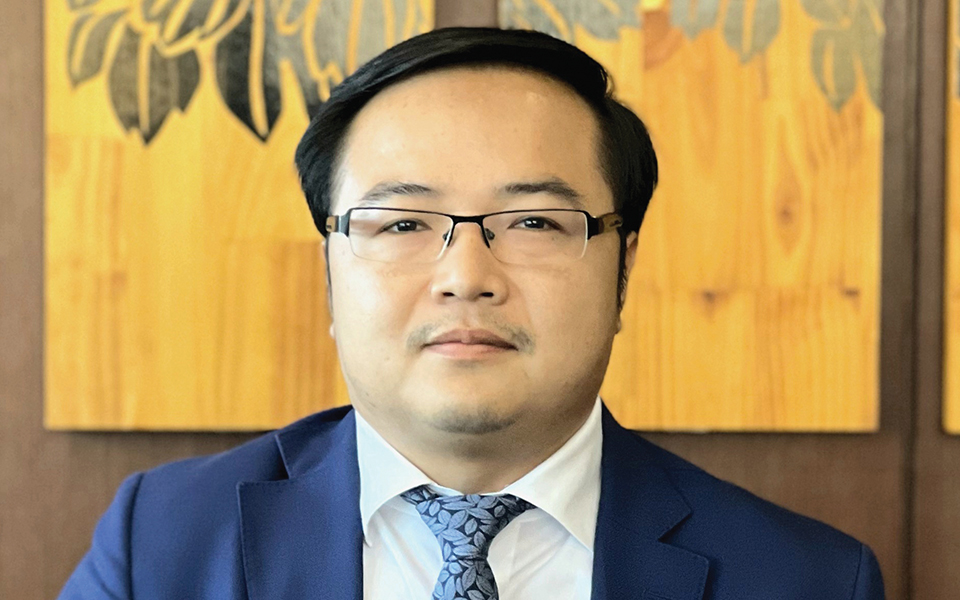
Cambodia’s capital markets may still be young, but SBI Royal Securities – led by chief executive Seng Chan Thoeun – has played a big role in driving the market and introducing new structures and products to investors. This is why it takes the award for Cambodia’s best investment bank this year.
The deals it works on are modest in size but meaningful for capital market development. An example is a two-tranche bond for Royal Railway worth $34 million. Another was a $1.5 million bond for real estate firm Golden Tree. This was Cambodia’s first green bond and met global standards, including those of the International Capital Markets Association, the Asean Capital Markets Forum and the United Nations Sustainable Development Goals.
Its deal pipeline is solid too, including two IPOs and two bonds – deals that will likely further strengthen its credentials.

|
CHINA |
[index] |
|
Best Bank: China Merchants Bank |
||
|
Best Investment Bank: Morgan Stanley |
||
Chinese banks have not had an easy ride in recent years. Faltering economic growth, muted domestic demand, tight Covid restrictions and growing scrutiny from regulators have forced them to hunker down and work as best as they can.
No firm has been immune, including repeat winner of this award China Merchants Bank (CMB). CMB, along with two other financial institutions, was fined some Rmb34.2 million ($4.8 million) in early January for allegedly breaching consumer protection and anti-money laundering rules. Its former president was also charged by authorities for suspected corruption.
Yet, CMB – whose new president Wang Liang took charge in June 2022 – remains among the best performers in China, with growth and profitability surpassing that of others, despite the mounting challenges.
Last year the bank posted a 15% year-on-year rise in net profits to Rmb138 billion and a 4% jump in net operating income. Both return on average assets and return on average equity showed improvement, while total assets surpassed Rmb10 trillion for the first time.
This reflects CMB’s focus across all its business lines. It has grown its client base and income in retail banking, corporate banking and wealth management, while a continuing digital transformation has helped bolster efficiency.
The investment banking award in China was a close battle between UBS and Morgan Stanley, but the US bank emerged victorious for its solid performance in debt, equity capital markets and M&A in a particularly challenging year.
China-into-US and into Hong Kong IPOs effectively dried up during the review period, turbulent bond market conditions kept all but the brave away and China’s tough Covid rules made cross-border M&A hard to execute and close.
Morgan Stanley nevertheless persevered. Its strengths were perhaps best reflected in China M&A, where it ranked first among international advisers on the league table and fourth overall.
It was an adviser to Saudi Aramco for its $3.6 billion strategic investment in Rongsheng Petrochemical – a deal representing closer ties between China and the Middle East – and advised ECARX’s $3.4 billion special purpose acquisition company merger with Cova Acquisition Corporation. It also advised specialty materials firm Alkegen on its $400 million acquisition of a 25% stake in Luyang Energy-Saving Materials.
In IPOs, Morgan Stanley led some of the larger deals, including Tianqi Lithium’s $1.7 billion Hong Kong deal and Kanzhun’s $1.5 billion IPO. It was also a bookrunner on Chinese sensor maker Hesai Group’s $190 million New York IPO in February, the largest China-into-US listing since October 2021 and a deal that promises to revive this part of the equity capital market.
In the bond markets, Morgan Stanley ran marquee deals for credits such as the Asian Infrastructure Investment Bank, Lenovo Group, Syngenta Group and Chindata Group.

|
HONG KONG |
[index] |
|
Best Bank: HSBC |
||
|
Best Investment Bank: HSBC |
||
HSBC remained formidable in the Hong Kong market over the past year and is now well positioned to reap the benefits of mainland China and Hong Kong’s post-Covid reopening.
Its strengths are many: a solid private-banking platform, a growing retail-banking presence, credit-card dominance, robust digital infrastructure, strong onshore China presence and an international network that is the envy of rivals. It has used its strengths to its advantage and cemented its position in Hong Kong.
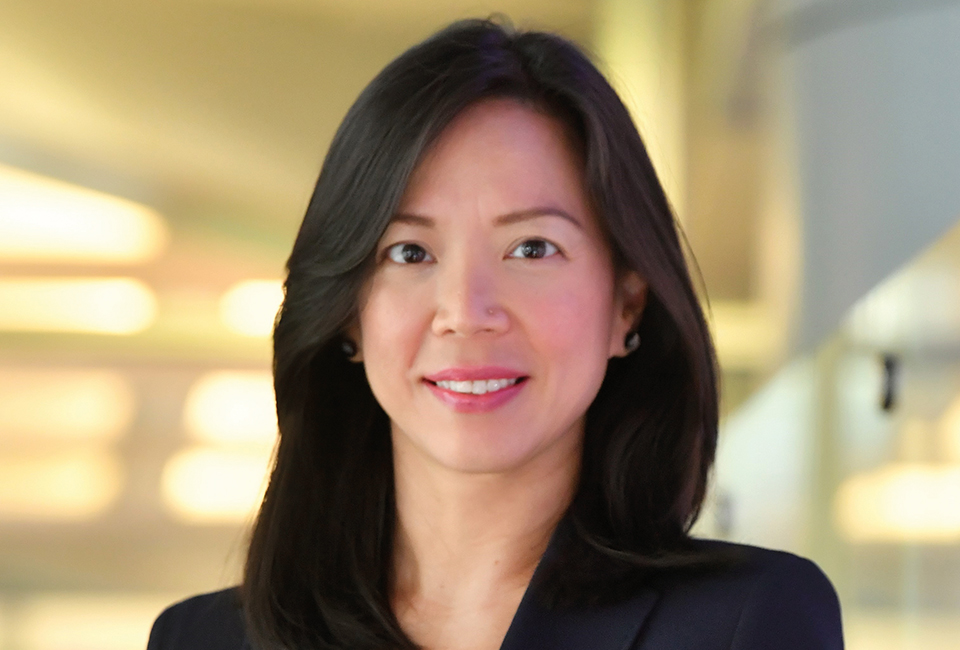
A critical point is that HSBC’s executives don’t let the noise around them distract them from what they do best. The numbers reflect that: profit before tax for Hong Kong was $6.8 billion in 2022, up 10% year on year and accounting for just over 35% of group pre-tax profits.
HSBC Hong Kong’s chief executive, Luanne Lim, who took charge in February last year, has also emphasized all the right things to position the bank for the future – digital rollouts, the potential of the Greater Bay Area and sustainable financing.
This year, HSBC also takes the award for Hong Kong’s best investment bank. It wasn’t a year for the equity capital markets as deal volumes plummeted and investment banking revenues shrank across the board. This meant that for the deals that did hit the market, competition was intense.
HSBC held firm, advising on more M&A deals than its peers and leading more bonds than its rivals.
An important deal was Chow Tai Fook Enterprises’ and NWS Holdings’ $6.7 billion sale of their stake in aircraft lessor Goshawk Management. HSBC was financial adviser to Chow Tai Fook and NWS, and managed to put together the deal despite challenges in the aviation sector.
Its close relationship with NWS also delivered when HSBC acted as sole financial adviser to the group on its Rmb2.3 billion ($334 million) acquisition of logistics properties in mainland China.
In all, HSBC advised on six M&A deals during the period, worth over $1 billion in credits.
Another important HSBC client is Link Reit. HSBC was sole lead on the group’s $423 million convertible bond in December 2022, which was the first sole-led equity-linked offering by a Hong Kong issuer in over eight years. The bank was also sole global coordinator on a $2.4 billion rights issue for Link Reit, completed in March.
In debt capital markets, HSBC has long been a powerhouse and it maintained that edge despite a big drop in bond flow in the past year. It led the Hong Kong government’s $3 billion and €1.25 billion multi-tranche green deal in January and the Hong Kong Airport Authority’s $3 billion green jumbo. Bank of East Asia is also a repeat DCM client of HSBC, as is New World Development.

|
INDIA |
[index] |
|
Best Bank: ICICI Bank |
||
|
Best Investment Bank: Citi |
||
ICICI Bank’s win this year is recognition of a near five-year turnaround orchestrated by chief executive Sandeep Bakhshi. Under his leadership, the firm’s profitability has been revived and its troubled legacy of corporate governance issues consigned to the past.
The bank is now a leader among India’s private-sector lenders, with income and profit growth better than those of its main competitors. For the year to March 31, 2023, profits after tax rose 36.7% year on year to $3.9 billion and total deposits by 10.9% to $143.7 billion.
ICICI’s loan book also saw growth across retail loans, business loans, small and medium-sized enterprise loans and corporate loans. The bank’s net non-performing asset ratio was 0.48% by the end of March, down from 0.55% at the end of December.
Add to that a strong capital base and a good digital platform and the bank’s proposition looks hard to beat.
ICICI’s digital transformation is particularly notable. Its iMobile Pay app is comprehensive and its InstaBiz universal app for small businesses has seen a surge in users and transactions annually.
Competition for the investment banking award was stiff this year, with both international and domestic houses vying for the win. In the end, it was a close call between Citi and Bank of America, with Citi retaining the award for a second year thanks to the comprehensive range of services it offers clients and the consistency with which it does so.
Across M&A, debt and equity capital markets, Citi put in a strong performance during the review period, ranking among the top three across all asset classes.
It was on all the landmark advisory deals, including HDFC Bank’s merger with parent HDFC – worth $60.8 billion and the largest merger in India’s corporate history – as well as the $7.2 billion merger of LTI with Mindtree to create the country’s fifth-largest IT services firm.
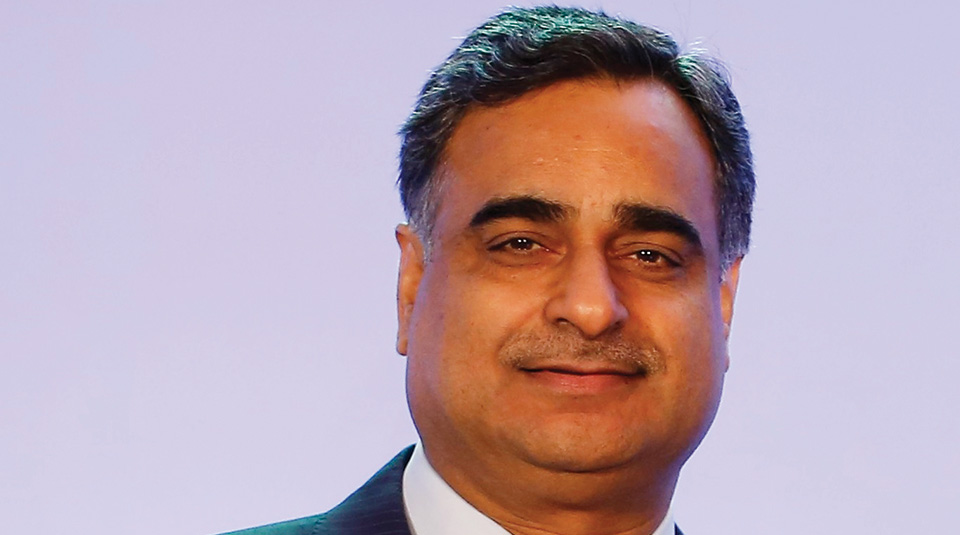
In ECM, Citi was a lead bank on India’s largest-ever IPO, the $2.7 billion listing of Life Insurance Corporation of India. Although the deal disappointed in secondary market trading, the mandate was still a coup for the banks involved.
The Citi team – led by head of India investment banking Rahul Saraf and head of south Asia and India banking, capital markets and advisory Ravi Kapoor – also kept a close eye on market themes and positioned themselves for new business. For example, Citi worked on nine sole-led blocks during the review period, many of which were the result of pre-IPO lock-ups expiring on existing shareholders. Citi spotted that as a theme, especially among technology stocks, and stayed close to its client base.
Thanks to that, Citi ran overnight blocks in marquee names including SBI Cards & Payments Services and Gland Pharma, as well as online groups Nykaa, PolicyBazaar and Delhivery.
In DCM, Citi was a lead bank on a $1 billion sustainability bond for the Export-Import Bank of India and a $750 million deal for HDFC Bank.

|
INDONESIA |
[index] |
|
Best Bank: Bank Mandiri |
||
|
Best Investment Bank: Credit Suisse |
||
In Indonesia’s dynamic and competitive banking industry, one bank stood head and shoulders above the rest over the last year. Bank Mandiri – led by president director Darmawan Junaidi – posted record profits, demonstrated its innovative streak and earned its place as the go-to bank for both individuals and businesses.
It made a record-breaking net profit of Rp41 trillion ($2.7 billion) last year, 50% higher than 2021, and easily surpassed the growth rates at other top-tier banks in the country. Its return on equity jumped 460 basis points to 18.08%, also beating its rivals.
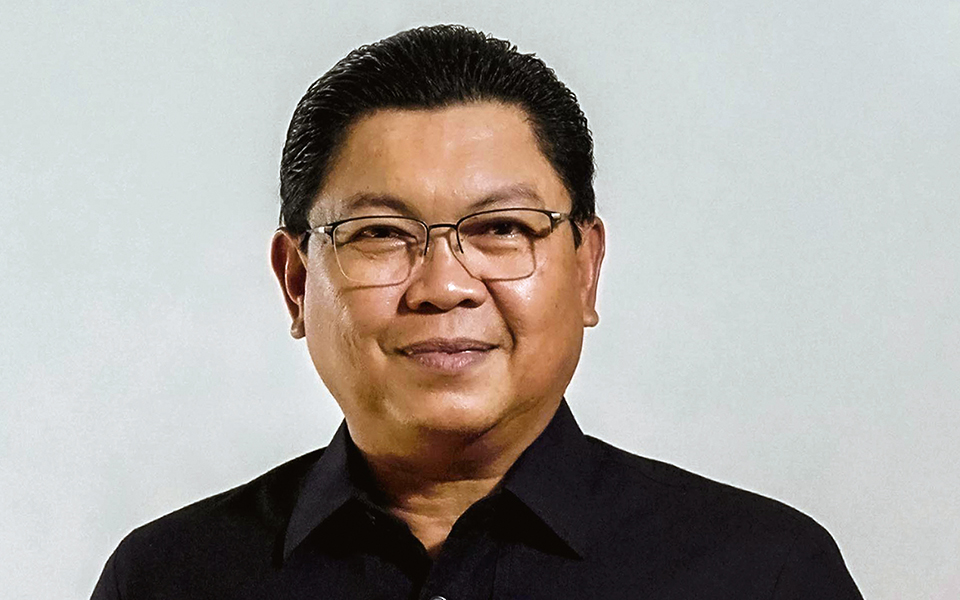
No other bank in Indonesia has embraced technological advancement quite like Mandiri, which has had a five-year roadmap for developing digital banking. This has included everything from laying the foundations of digital infrastructure to modernizing its distribution channels and facilitating data-driven decision making.
The core component of its strategy is the bank’s super app, Livin’ by Mandiri, which is complemented by wholesale digital platform Kopra and its Smart Branch initiative to transform traditional bank branches to fully digital ones.
These have proven hugely successful. In 2022, digital transactions worth a collective $1.4 trillion took place across Livin’ and Kopra, by their respective 16 million active users and 83,000 corporate customers. This accounted for 40% of all digital banking transactions in the country.
Credit Suisse may no longer have a future as an independent investment bank, but this in no way detracted from the success of its Indonesian investment banking franchise during the review period.
The bank dominated in both completed M&A and equity capital markets deals, taking pole position in the league tables for both, according to Dealogic.
In M&A, Credit Suisse worked on one of the most important deals in the region, advising UOB on its $3.65 billion acquisition of Citi’s consumer banking business in four southeast Asian markets. Another important deal was Axiata Group’s $1.1 billion purchase of Link Net, completed in October 2022. Credit Suisse was a financial adviser to the telecommunications firm.
In all, the bank worked on eight completed deals worth $5.8 billion.
Notably, Credit Suisse boasted six clients that did their first deal with the bank during the period under review. These included Pertamina Geothermal Energy ($608 million IPO) and Blibli ($513 million IPO), as well as Primaya Hospital for an undisclosed investment by Singapore’s GIC.
The Indonesian sovereign was a repeat client of Credit Suisse for its international bonds, while the bank continued to build its highly lucrative private loan book, participating in over $1.5 billion of deals.

|
JAPAN |
[index] |
|
Best Bank: Sumitomo Mitsui Banking Corporation |
||
|
Best Investment Bank: Nomura |
||
Japan’s four big banks all had a strong claim for the best bank award, but Sumitomo Mitsui Banking Corporation (SMBC) claimed the prize by posting a set of results that beat many of its targets, by setting new benchmarks and by having a solid strategy for the future.
Net income at SMBC grew 16% in the year to March 31 to ¥634.2 billion ($4.5 billion), surpassing internal targets, while return on shareholders’ equity rose marginally to 8%. The main income drivers were wholesale banking, global markets and the group’s international franchise.
What is notable is that the group beat its 2023 targets despite turbulent markets. Sumitomo Mitsui Financial Group recorded a consolidated net profit of ¥1.3 billion (above the target of ¥1.24 billion) and a bottom-line profit of ¥805.8 billion versus the ¥710 billion target.
It is now hoping to continue on that growth path with a revamped strategy in place for the new financial year.
Led by new chief executive Akihiro Fukutome, the firm is working on reform of its domestic retail business and wholesale business models by leveraging technology, and is looking to cut unprofitable assets by reviewing its strategic shareholdings in firms. This involves having a much stronger, efficient and digitally attuned franchise that can withstand domestic and global market shocks.
Nomura takes the investment banking honours this year, demonstrating that its client relationships are as strong as ever, despite the blow dealt by losses from Archegos Capital Management in 2021.
It dominated in M&A advisory and equity capital markets during the review period. For announced M&A, it was top of the league table for advisers, with credits for $39.4 billion from 79 deals. It was also top in Japanese ECM, with bookrunner credits for $4.5 billion from 37 transactions.
The M&A deals included advising Toshiba Corporation on its $16 billion-plus acquisition by Japan Industrial Partners, announced in March this year, and advising Nippon Steel Trading in its $4.4 billion purchase by Nippon Steel Corp.
The standout ECM deal was Japan Post Holdings’ roughly $9 billion sale of shares in Japan Post Bank in March, which was the first such sale of stock in the bank since its listing in 2015.
Nomura’s other deals included the $435 million IPO of SBI Sumishin Net Bank, a $944 million sale of shares in Nomura Research Institute and the $530 million listing of Socionext.

|
KOREA |
[index] |
|
Best Bank: Hana Bank |
||
|
Best Investment Bank: JPMorgan |
||
Hana Bank wins this award for not only growing at a faster rate than its competitors but also for doing so in a way that doesn’t endanger its franchise in the long run.
The bank reported consolidated net profit of W3.2 trillion ($2.5 billion) for 2022, a 23.3% jump from 2021. This was a better performance than its two main rivals, Shinhan Bank and KB Kookmin Bank, and reflects a diverse revenue stream spanning corporate finance, foreign exchange and asset management.
Its core income rose 22% and total assets about 13% year on year. Hana’s non-performing loan ratio improved to 0.21% from 0.26% and its return on tangible common equity ticked up to 10.72% from 9.42%.
Numbers aside, Hana Bank, led by chief executive Lee Seung-lyul, has been quick to adapt to the changing banking environment and digitalization. It has established virtual bank branches, added non-banking services to its mobile app and in July 2022 became the first bank in Korea to launch a mobile-only foreign-currency trading service. This has proven popular, seeing $640 million in trading volume by March 2023.
JPMorgan takes the award as Korea’s best investment bank for the range of its activities across M&A advisory, debt capital markets and equity capital markets.
It was first in the ECM bookrunner league tables among international houses, working on around $580 million of transactions. There were only a handful of deals over $100 million – and many of them were domestically driven and led by local brokers – but JPMorgan still managed to make its mark, working on deals for Samsung SDS (a $68 million follow-on), KakaoPay Corp ($372 million follow-on) and Woori Financial Group ($201 million equity raise).
In M&A advisory, JPMorgan was the lead financial adviser to SK Shieldus on its $1.5 billion acquisition by EQT Partners and advised LS-Nikko Copper on its $731 million acquisition by LS Corporation.
The firm’s relationship with the Kakao group has proven beneficial. JPMorgan was a financial adviser to Kakao Entertainment Corp on a $928 million stake purchase by Saudi Arabia’s Public Investment Fund and Singapore’s GIC.
In DCM, JPMorgan worked on dollar bonds for issuers including Hyundai Capital America, Export-Import Bank of Korea, Shinhan Bank and Korea Gas.

|
MACAU |
[index] |
|
Best Bank: Industrial and Commercial Bank of China |
||
Industrial and Commercial Bank of China may not be the largest bank in Macau – that honour goes to Bank of China – but it was the most successful in the past year.
ICBC is the second-largest commercial bank in Asia’s gambling hub, accounting for roughly 16% of banking system assets at the end of 2021. It has recorded some strong numbers recently, despite Macau being closed for a large part of 2021 and 2022 due to Covid.
For the six months ending June 30, 2022, ICBC Macau recorded net profits of P1.6 billion ($199 million), up 2.3% year on year. Total assets at the bank level rose nearly 4%. In comparison, both profits and assets at Bank of China Macau fell during the same period.
The Macau hub is certainly important for ICBC and it benefits from its strategic role in the parent’s ambitions within the Greater Bay Area.
The bank has been raising the profile of Macau by helping to develop its bond market. Last December, ICBC Macau issued a $250 million bond that was listed on the Macau exchange.

|
MALAYSIA |
[index] |
|
Best Bank: CIMB Bank |
||
|
Best Investment Bank: Maybank |
||
Prudence and caution was the mantra at CIMB Bank in the past year, and it served the bank and its chief executive Abdul Rahman Ahmad well. Revenues in 2022 rose 7.6% year on year, net profits before tax rose 38.1% and loans 5.6%. The bank also gained market share in mortgages, auto loans and credit cards.
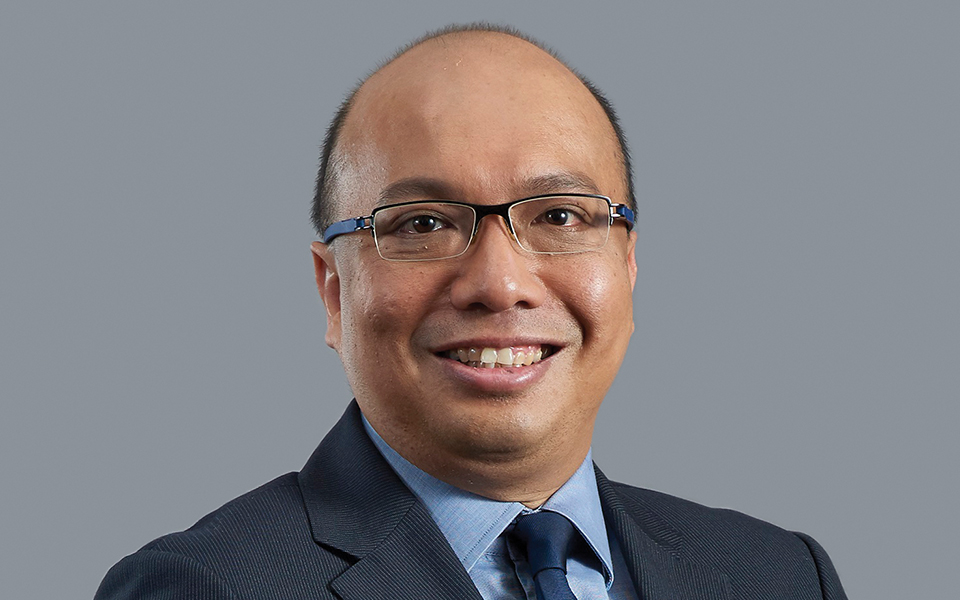
Like other Malaysian and regional banks, CIMB has invested heavily in its digital offerings. The result has been a 29.4% compound annual growth rate (CAGR) since 2019 in the number of digital transactions and a 51.7% CAGR in digital revenue.
CIMB’s digital boost has come at a good time as the bank is increasingly keen to become a leader in Malaysia’s growing wealth management market. Having good apps to cater to this clientele is essential in keeping them engaged.
In investment banking, Maybank had a strong year despite a drop in capital markets business across the board. It was top of the equity capital markets league table by volume during the review period, top in M&A advisory and second in debt capital markets.
This was no easy feat as banks in Malaysia not only had to contend with global market volatility and jittery investors but also domestic politics. The November 2022 elections ushered in Anwar Ibrahim as the nation’s 10th prime minister.
Maybank’s investment bankers, working under new investment banking chief executive Michael Oh-Lau Chong Jin, navigated the turmoil and helped their clients push through deals.
There were only three ECM deals over $100 million during the review period. Maybank worked on them all, including a $179 million follow-on for Maybank itself, a $117 million share sale in Mr DIY Group and a $196 million rights offer for Yinson Holdings.
In M&A advisory, Maybank worked on five deals, including the $2.4 billion acquisition of Perstorp Holding by Petronas Chemicals Group. Maybank was an adviser to Petronas. The bank is also advising Pavilion Real Estate on the $480.5 million purchase of shopping centres.
Maybank has also put sustainability at the centre of its strategy. In October 2021, it became the first bank in Malaysia to set up a dedicated sustainable finance desk that was certified by the International Capital Market Association. The move has paid immediate dividends. Maybank has closed 15 sustainable deals since, including 10 in the review period, versus between two and four deals in previous years.

|
MALDIVES |
[index] |
|
Best Bank: Bank of Maldives |
||
In 2022, underlying profits at Bank of Maldives rose 8% year on year, its loan book grew by 9%, assets 7% and customer deposits 7% as the Maldivian economy began to stage a post-Covid turnaround. The bank’s gross non-performing loan ratio also fell to 1.2% from 2.5% in 2021.
Under chief executive Karl Stumke, the bank, which is listed but majority owned by the government, had several strategic priorities that it delivered on last year. One was enhancing its digital banking platform by introducing an e-wallet to its mobile app in a bid to appeal to retail customers and boost efficiency.
Another was strengthening relationships with corporate customers as they slowly but surely brought their businesses back on track post Covid-19. And the third priority was Islamic banking and the launch of innovative Shariah-compliant products through digital channels.
These measures led to a rise in internet banking and online transactions, with the bank now seeing over two million mobile banking logins a day on average.

|
MONGOLIA |
[index] |
|
Best Bank: Golomt Bank |
||
Mongolia’s Golomt Bank edges out Khan Bank this year thanks to its navigation of 2022’s challenges, a solid set of financial results and a sharp focus on two big banking game-changers – sustainability and digital banking.
It wasn’t an easy year. High inflation, China’s Covid policies and the war in Ukraine together had a big impact on the Mongolian economy and its banking sector. A foreign-currency crunch also forced some local banks to ration the amount of dollars customers could buy.
But Golomt stayed the course. Profit for 2022 was an outstanding 349% higher year on year at Tug116.5 billion ($44.4 million) and its assets were up 12%.
Another highlight was Golomt’s listing last year to comply with new banking regulations. The Tug103.3 billion IPO was Mongolia’s largest in over 30 years.
Golomt’s reach and credentials have been strengthened by its focus on digitalization and environmental, social and governance (ESG) issues. Its offerings include secure cards for payments, its SocialPay digital wallet and the introduction last year of an open-banking strategy that has helped to develop Mongolia’s financial markets.
In ESG, Golomt has been active in green business and housing loans, renewable projects, supporting women entrepreneurs and gender diversity.

|
NEPAL |
[index] |
|
Best Bank: Nepal Investment Mega Bank |
||
When Nepal Investment Bank and Mega Bank Nepal merged last year, the new entity became a force to be reckoned with in the market.
Nepal Investment Mega Bank (NIMB) began operations officially in January 2023 with paid-up capital of NR34.12 billion ($258 million), over NR58 billion of core capital and a net asset value of just under $2 billion, one of the highest among the 18 private-sector banks operating in Nepal.
It is led by chief executive Jyoti Prakash Pandey, and although the combined entity had a new name, its priorities remained largely unchanged – lending to what it calls the deprived sector and ramping up its financial-inclusion credentials.
The deprived sector refers to ex-army personnel, service men and their families, for whom the bank provides loans at concessional rates without additional charges. It has also boosted branchless banking in remote areas of Nepal in order to reach more clients faster.
In terms of products, NIMB offers tailor-made savings and fixed deposits to customers and, through NIBL Ace Capital, it has helped to develop Nepal’s capital markets, working on three IPOs, one new fund offering, four underwritten trades and four debentures last year. The portfolio management team has grown assets under management to NR4.3 billion.

|
NEW ZEALAND |
[index] |
|
Best Bank: ASB Bank |
||
|
Best Investment Bank: UBS |
||
Banks in New Zealand have had many challenges to overcome in the past year, including high interest rates, rising inflation and a cost-of-living crisis. ASB Bank, owned by the Commonwealth Bank of Australia, wins this award for making its customers its top priority in this environment, while keeping the bottom line intact.
Net profits before tax for the year to June 30, 2022, rose 10.8% year on year to NZ$2 billion ($1.2 billion), as both retail and business lending remained resilient. That momentum was maintained with pre-tax profits rising another 10% year on year for the six months ending December 2022.
The bank helped ease the pressure of a rising cost of living through initiatives that helped customers get additional financial support from the government. It also found tools for them to save more.
For small and large business owners, ASB rolled out interest-only repayments on loans, affordable finance options and workshops to help them manage their businesses and finances.
UBS stayed on top of its investment banking game in New Zealand once again.
A clear differentiator was the breath and size of the deals UBS worked on. In equity capital markets, it was top of the bookrunner league table, working on some of the country’s largest-ever deals. It was an underwriter on Air New Zealand’s NZ$1.2 billion rights issue, which was the largest-ever follow-on in New Zealand and the largest ECM deal in the country during the review period.
UBS was also a joint lead manager and underwriter on Ryman Healthcare’s NZ$902 million entitlement offer, New Zealand’s third largest follow-on.
The bank also showed its leadership in M&A advisory. The largest mandates involved advising Vodafone New Zealand on the NZ$1.7 billion sale of its whole stake in its tower business and being the sole financial adviser to telecom firm Voyage Digital (NZ) on its NZ$1.7 billion purchase of Two Degrees.
Debt capital market mandates included Swiss franc and euro bonds for ASB Bank, and euro covered bonds for Bank of New Zealand and Westpac New Zealand. UBS also maintained close relationships with the country’s public-sector issuers, running a Swiss franc green bond for Auckland Council and a NZ$3 billion bond for the New Zealand Debt Management Office.

|
PAKISTAN |
[index] |
|
Best Bank: Meezan Bank |
||
|
Best Investment Bank: Arif Habib |
||
The bank founded by Irfan Siddiqui 25 years ago has come a long way. Meezan Bank began with just four branches when it acquired Societe Generale’s Pakistan operations, but it now has 950 branches across the country and is the fourth-largest bank by deposits.
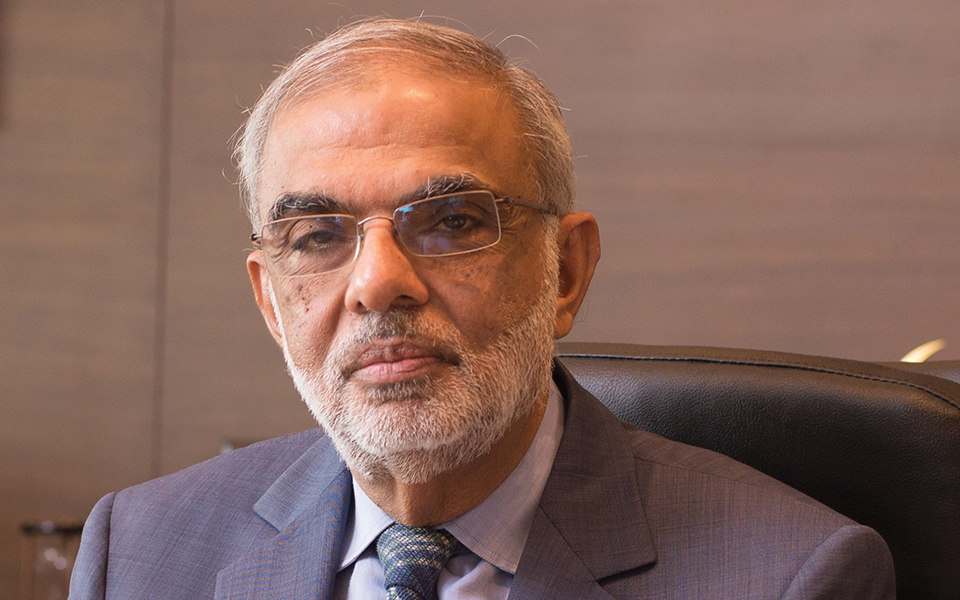
Under chief executive Siddiqui, Meezan, which is a fully fledged Islamic commercial bank, produced a robust set of results for 2022, achieving one of the highest increases in profit in the country’s banking sector. Profits after tax rose 60% year on year to PRs45.01 billion ($156 million) and the firm had a return on equity of over 40%, well above the industry average.
Digital development has been prioritized. The bank now has a state-of-the-art mobile banking app that saw more than 166 million digital transactions conducted last year.
In terms of lending, Meezan’s total financing portfolio rose 31% in 2022, driven by a pickup in lending to corporate and institutional clients, as well as to small and medium-sized enterprises. However, this rise hasn’t impacted asset quality, with non-performing loans falling to PRs13.6 billion last year from PRs14.5 billion in 2021.
There is a new winner of the investment bank award this year, with local investment bank and brokerage house Arif Habib, which is owned by conglomerate Arif Habib Corporation, taking the honours thanks to its diverse range of deals during the review period.
While other local investment banks tend to concentrate on syndicated loans, Arif Habib – led by chief executive Shahid Ali Habib – also put in a strong performance in the equity capital market and M&A advisory businesses.
So, when Pakistan’s businesses struggled to tap their traditional sources of funding amid market turbulence, Arif Habib offered them alternative options across capital markets and short-term debt instruments. It helped firms sell sukuk, term finance certificates and commercial paper worth roughly $377 million during the awards period.
Important deals included a unique listing of a development real estate investment trust by Javedan Corporation. This was worth PRs140 million and closed in December 2022.
It also worked on the PRs997.3 million majority acquisition of Sanofi Aventis Pakistan by Packages Limited; it was a sell-side adviser for the International Financial Corporation’s roughly $25 million investment in Khaadi Corporation; and helped facilitate the PRs33.7 million purchase of shares in Karam Ceramics by Swat Ceramics.

|
THE PHILIPPINES |
[index] |
|
Best Bank: Bank of the Philippine Islands |
||
|
Best Investment Bank: UBS |
||
Bank of the Philippine Islands (BPI) regains the award as the country’s best bank after two years by posting excellent numbers over the past year.
Its net income grew by 65.8% to a record of P39.6 billion ($710 million) last year. While rivals Security Bank, Metrobank and BDO Unibank all also saw a decent jump in net income, BPI’s pace of growth was the fastest.
BPI’s return on equity grew to 13.14% in 2022 from 8.4% in 2021, while total deposits rose 7.2% year on year to P2.1 trillion – beating the industry average.
Like others, BPI has been pushing ahead with digital banking solutions, many of which have gained traction. By December 2022, digital banking customers had risen 18% year on year to 5.8 million.
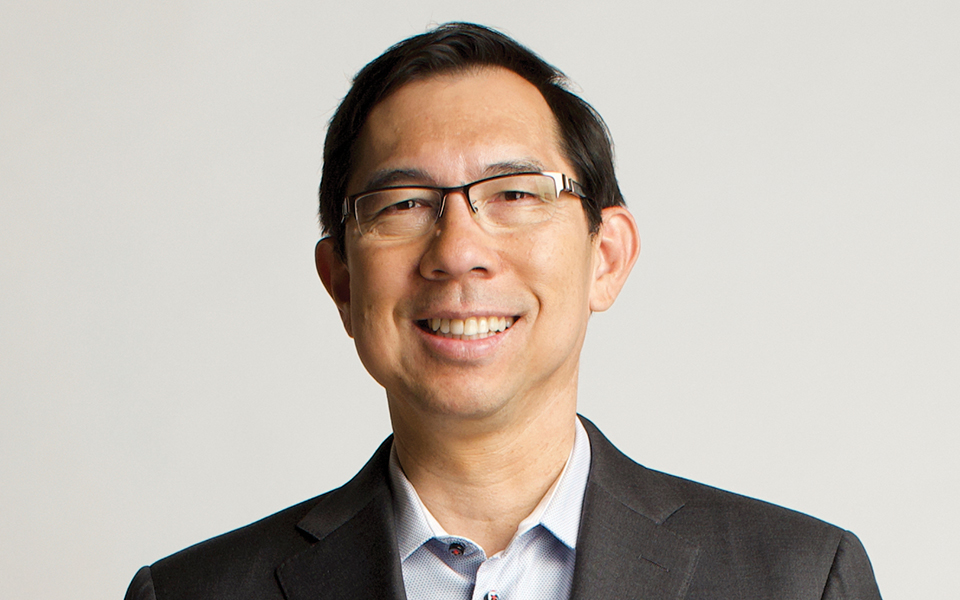
Under president and chief executive Jose Teodoro Limcaoco, BPI has been emphasizing digital flexibility for micro, small and medium-sized enterprises by rolling out a subscription-based platform early last year to help them with efficient invoicing and collection. It also unveiled a new e-wallet last year that marries lifestyle requirements and purchases with financial payments on one platform.
BPI has also focused on sustainability, launching green time deposits and energy transition financing facilities in 2022.
The expertise of UBS in the domestic Philippine market combined with its global network meant that it was top of the equity capital market bookrunning league table and top for M&A advisory during the review period.
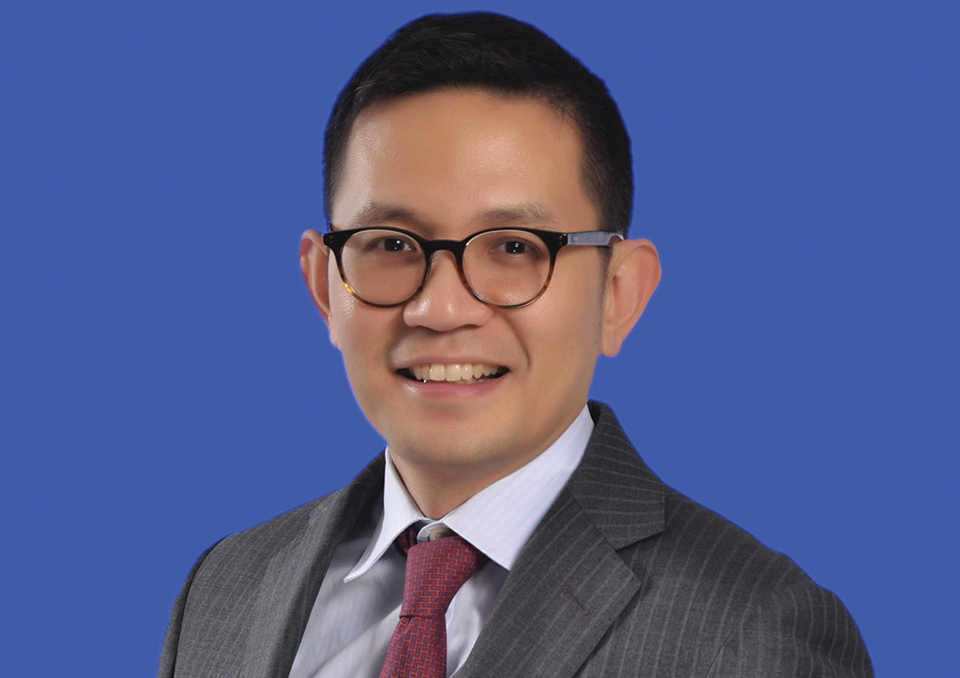
Lauro Baja, UBS’s head of global banking for the Philippines and head of global capital markets for Asia Pacific, oversaw many landmark deals. UBS was exclusive financial adviser to the PLDT Group for its sale and leaseback of over 7,500 telecommunication towers, worth roughly $1.8 billion. It also advised Globe Telecom on its $1.3 billion sale and leaseback of 6,000 telecom towers.
In all, UBS was an exclusive financial adviser on all telecom tower sale and leaseback deals during the awards period, worth $3.4 billion.
UBS worked on Globe Telecom’s $288 million rights issue and was sole bookrunner on a $222 million sell down of shares in Manila Electric Company by JG Summit. It also ran two blocks in A-Reit by Ayala Land.
UBS’s ties with the Philippine sovereign are also solid. The ministry of finance printed a $3 billion deal in January 2023 and a $2 billion bond in October 2022. UBS was a joint sustainability structuring adviser and a bookrunner on both.

|
SINGAPORE |
[index] |
|
Best Bank: UOB |
||
|
Best Investment Bank: Morgan Stanley |
||
UOB’s transformative initiatives have earned it the title of Singapore’s best bank once more.
Its numbers are certainly strong. Core operating profit rose 20% in 2022 to S$6.6 billion ($4.9 billion), driven mainly by growing margins across customer segments in a high interest rate environment, while return on equity grew to 11.9%.
UOB’s main business lines fired on all cylinders as income across wholesale banking, retail banking, trading and investment surged during the year. Asset quality held up well too, with the non-performing loan ratio staying steady at 1.6%.
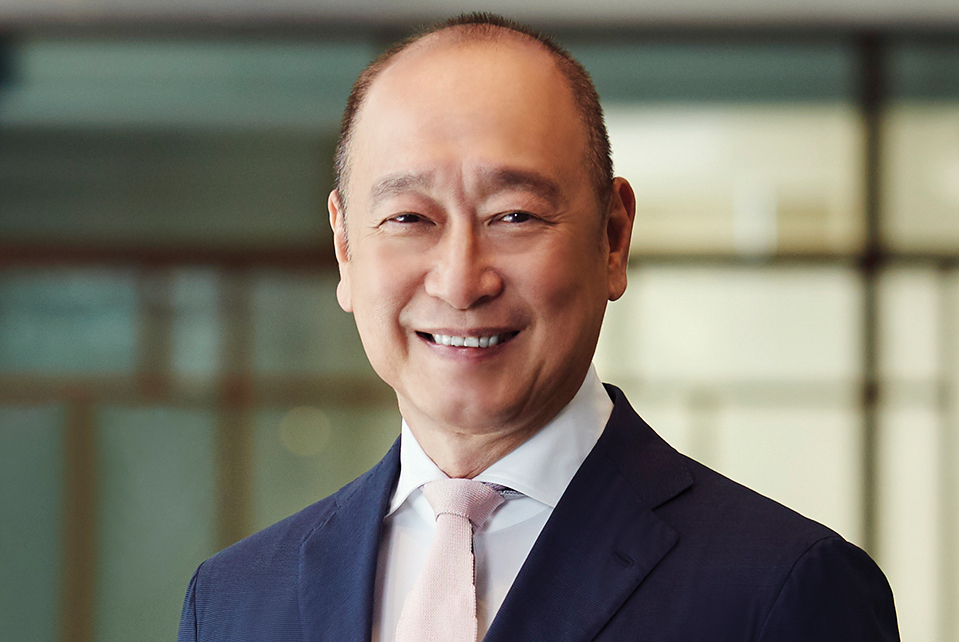
The numbers are impressive, but how the bank, run by chief executive Wee Ee Cheong, got here is even more so. According to senior management, the results are thanks to investment and an internal transformation that began five years ago.
This has produced plenty of diversification, within different businesses in Singapore and across the Association of southeast Asian Nations (Asean) region.
In wholesale banking, half of the business comes from Singapore and the other half is international. In retail banking, the completed acquisitions of Citi’s consumer banking operations in Malaysia, Thailand and Vietnam, as well as in Indonesia (to be completed by year end), are set to give UOB an even bigger edge in Asean.
Technology plays a big role. UOB has made great strides in technological transformation, investing over S$2 billion in cutting-edge technology and infrastructure in 2022. This has enabled the bank to undergo a radical digital transformation, establishing a common digital backbone across markets and helping lower friction in regional transactions.
UOB has wisely stayed away from the cryptocurrency market, but has been active in the tokenization of assets and central bank digital currencies. It is all about investing in things in which management sees potential and opportunity.
UOB’s commitment to sustainability is also noteworthy. By creating sustainability ecosystems and platforms, the bank has become a catalyst for the green economy.
Morgan Stanley takes the investment banking award this year, a testament to its unrivalled expertise and positioning as a trusted adviser to some of Singapore’s marquee clients.
What sets Morgan Stanley apart time and again is that it taps into its in-depth understanding of clients’ businesses to craft original and innovative deal structures – including those that change Singapore’s corporate landscape.
Examples include an advisory role to sovereign wealth fund Temasek on the merger of Sembcorp Marine and Keppel Offshore & Marine. The complex M&A deal, worth $8 billion, was completed in February 2023 and is Singapore’s second largest merger.
Morgan Stanley was also an adviser to Cuscaden Peak Consortium on the $5.2 billion acquisition of Singapore Press Holdings; and it advised DBS Group on its acquisition of Citi’s consumer banking business in Taiwan.
In the technology sector, it helped homegrown tech house ShopBack raise $200 million from a series-F private placement, bringing on board big-name investors including Asia Partners, 65 Equity Partners and Westpac.
In equity capital markets, Morgan Stanley was sole financial adviser to Singtel on its 3.3% stake sale in Bharti Airtel, worth $1.6 billion.

|
SRI LANKA |
[index] |
|
Best Bank: Sampath Bank |
||
|
Best Investment Bank: NDB Investment Bank |
||
It has been a tough year for Sri Lanka and for the banks operating in the country. Just as the island was exiting the worst of the Covid crisis, Sri Lankans were faced with political upheaval, an economy on the brink of collapse and shortages of everything from food to fuel.
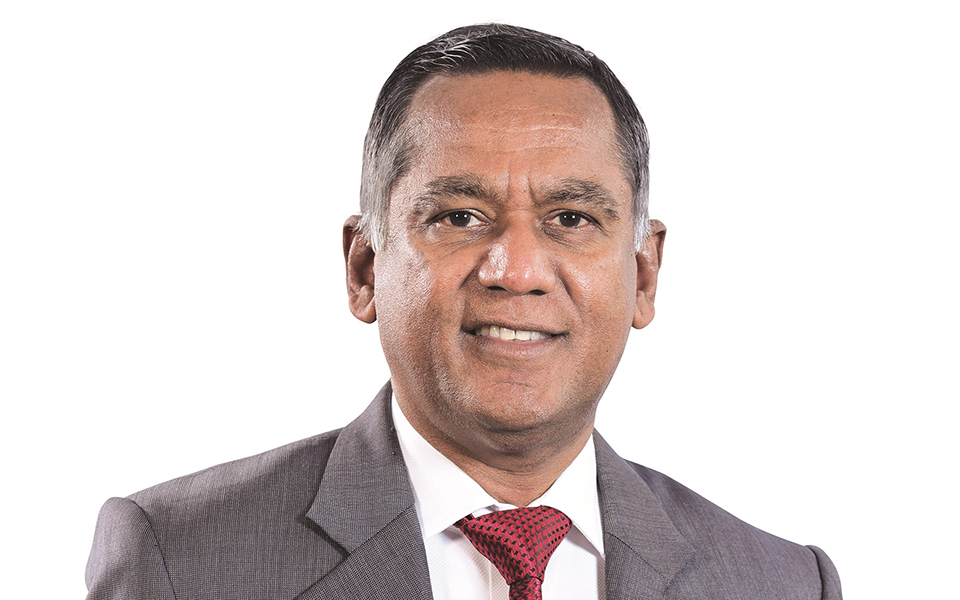
Dwindling foreign reserves and surging foreign debt plunged the country into its worst economic crisis in 75 years. The banking sector was in the firing line and had to shift gears rapidly, cutting lending and de-risking rapidly. Sampath Bank turned in a standout performance in extremely adverse conditions under managing director Nanda Fernando, faring better than its rivals while remaining close to those in most need of funding.
Net interest income in 2022 rose 76.4% year on year to SLRs73.5 billion ($236 million), while net fee and commission income also grew. Importantly, profits after tax rose by 5.4% to SLRs13.1 billion at a time when most other big banks saw a sharp fall.
Sampath did have to boost its impairment charges to SLRs62.7 billion from SLRs17.1 billion, given the likelihood of more loans souring in the tough economic climate. This also took into account haircuts on its investments in Sri Lanka’s international sovereign bonds and development bonds. This is a prudent approach to managing asset quality.
Sampath – the third-largest private-sector bank by assets in Sri Lanka – does have solid capital ratios on which to rely. Its year-end common equity tier-1 ratio of 11.92% and its total capital ratio of 14.27% are above the regulatory minimums.
NDB Investment Bank is an unrivalled leader in the investment banking space in Sri Lanka. Its experience has been vital in the past year when domestic economic and political turbulence meant firms in need of funds required a skilled adviser to help them navigate the volatility.
NDB Investment Bank managed to execute roughly $35 million in capital market deals during the review period, spanning debt, equity, M&A and hybrid deals.
It was exclusive sell-side adviser to the shareholders of Sagasolar Power for their $4 million divestment of a solar power plant and helped Kings Hospital Colombo raise $9.4 million from strategic investors to fund its growth plans. The investment came in multiple tranches of equity and hybrid debt instruments.
In the equity capital markets, NDB Investment Bank worked on a $1.5 million rights issue for Pegasus Hotels of Ceylon.

|
TAIWAN |
[index] |
|
Best Bank: CTBC Bank |
||
|
Best Investment Bank: Goldman Sachs |
||
CTBC Bank remains the firm to beat in Taiwan’s financial sector. It posted another set of record numbers in 2022 despite macroeconomic headwinds, in part thanks to its efforts over the years to develop a balanced and diversified business model.
Pre-tax profits rose 36% to NT$47.4 billion ($1.5 billion), just ahead of the 30% growth recorded by rival Mega International Commercial Bank and firmly beating the 10% to 24% growth seen at Cathay United Bank, Taipei Fubon Bank and First Bank.
CTBC’s return on equity was also stronger than peers at 11.35% last year, while its return on assets was 0.74%.
Its global presence is a big advantage. It boasts over 370 outlets in 14 countries, and this international business is critical as Taiwan’s domestic market continues to be over-banked and fiercely competitive. Pre-tax profits from overseas operations rose an impressive 83% year on year in 2022, accounting for 32% of profits.
A key sector at CTBC is wealth management. It is among the leaders in Taiwan’s private banking industry, with NT$128.9 billion in assets under management. It works with over 1,300 high net-worth (HNW) customers and has a 28% market share of all assets under management and 35% share of all HNW clients in the market.
It is also a leader in the loan syndication market, an increasingly popular funding avenue for Asian borrowers looking to avoid the turbulence in the bond markets. In 2022, CTBC worked on 70 loans as a mandated lead arranger, including deals in the highly lucrative leveraged buyout financing market. In debt capital markets, it is a regular adviser on environmental, social and governance-linked deals, and was involved in Taiwan’s first sustainability linked bond last year for Chimei.
Goldman Sachs’ investment banking franchise in Taiwan goes from strength to strength, which is why it retains the investment banking award for the second year in a row.
The US bank, whose Taiwan investment banking managing director is Frank Chen, led the largest transactions in M&A, equity capital markets and bonds during the review period.
It advised Gogoro, an electric vehicle and battery maker, on its $2.35 billion special purpose acquisition company merger with Poema Global Holdings Corp, which closed in April 2022.
Goldman also has a tight relationship with semiconductor business TSMC. The firm raised $3.5 billion from a multi-tranche bond in April 2022 and another $1 billion in July 2022. Goldman was the sole global coordinator on both deals.
In ECM, the bank led Taiwan Cement’s $425 million global depositary share offering in September, with the deal priced at the tightest discount for a Taiwan follow-on offering in 2022.
Goldman was also exclusive financial adviser to Silicon Motion on its $3.8 billion sale to MaxLinear, announced in May 2022. This is a landmark for Taiwan’s M&A market as it will create a global top-10 fabless semiconductor supplier. When it closes, it will be the second largest cross-border M&A deal in Taiwan.

|
THAILAND |
[index] |
|
Best Bank: Siam Commercial Bank |
||
|
Best Investment Bank: Kiatnakin Phatra |
||
Siam Commercial Bank’s (SCB) tag line is to ‘be a better bank’. It accomplished that in 2022, beating its competitors to win our award for Thailand’s best bank.
Last year was an important one for the bank, which became a subsidiary of a new vehicle, SCB X Public Company, and was delisted from the stock exchange as part of a large restructuring. This also led to a leadership change, with Kris Chantanotoke brought in as the new chief executive from AIA Thailand in August 2022.
This disruption didn’t dent SCB’s performance, however. Rather, the bank posted 52.3% growth in consolidated net profits to Bt54.2 billion ($1.5 billion) in the calendar year 2022. Return on equity got a boost to 12.6% from 8.4% and return on assets to 1.6% from 1.1% over the same period.
A large part of this growth came from SCB’s retail and wealth segment. The division accounted for 56% of the bank’s revenue last year. That proportion is likely to get bigger over time, given SCB’s strategy to grow fee income from bancassurance and wealth management.
Digital innovation has its place too. The bank’s SCB Easy app has seen a surge in users to over 14.2 million as the Thai population transforms the way it banks.
In investment banking, it was a battle between Bank of America and Kiatnakin Phatra for the top spot, but the local house takes the award for the breadth and diversity of its client and product base.
Its equity capital markets business was particularly noteworthy during the review period as it rolled out successful deals despite market volatility. One example was the jumbo Bt37.1 billion ($1.07 billion) IPO of Thai Life Insurance. This was the largest IPO in Thailand last year as well as the largest ever listing from the insurance sector. Kiatnakin was financial adviser and global coordinator.
Another landmark deal was the Bt20 billion listing of food company Betagro. Kiatnakin was financial adviser and global coordinator on this second-largest IPO from the food and agriculture industry in Thailand.
The bank also showed its willingness to take risks for the right names. It was a sole placement agent on two overnight block trades: a Bt11.9 billion sell-down in Bumrungrad Hospital and a Bt3 billion block in One Enterprise.
In M&A, Kiatnakin worked on five complex deals worth over Bt68 billion in total. This included the Bt43.5 billion merger of SCG Logistics Management and JWD Info Logistics.
Kiatnakin also advised Bank of Ayudhya on its acquisition of Home Credit in the Philippines and Indonesia and the separate purchase of Capital Nomura Securities in Thailand.
Kiatnakin also had a strong year in the debt markets, working on a range of hybrid, perpetual, yen- denominated, euro-denominated, green and plain vanilla bonds.

|
VIETNAM |
[index] |
|
Best Bank: HSBC |
||
|
Best Investment Bank: Vietcap Securities |
||
There is a changing of the guard in Vietnam; HSBC’s remarkable performance in the country makes it the winner of this year’s award.
At the end of 2022, total revenue jumped 64% year on year, net interest income by 100% and profits after tax 182%. Total assets grew 21% and its loan book rose 15% – all while its financial ratios remained stable.
The results reflect a concerted effort by the bank’s senior management to make it a leader in the country, particularly in foreign direct investment, credits cards, wealth management and securities services.
It is certainly getting there. HSBC captured a 36% share of foreign direct investment flows into the country last year and boosted its share among local large corporations to 35%. It also increased its share of Vietnam’s growing affluent customer base, as well as its share of credit cards and spend per card.
HSBC’s international footprint means it is able to serve customers looking for cross-border needs effectively. It has rolled out a number of online tools to facilitate that, while also making domestic collections and payments easier for corporate clients.
As in many other markets, sustainability is a focus in Vietnam. HSBC helped corporates in the country raise over $650 million of sustainable financing last year, from both domestic and international markets.
The investment banking award in Vietnam this year goes to Vietcap Securities after the local firm showed that it could find windows of opportunity to execute deals amid market volatility.
Vietcap’s investment banking arm recorded revenues of about $18.3 million in the 2022 financial year, up 28% year on year, while profits before tax increased by 48% to $14.5 million.
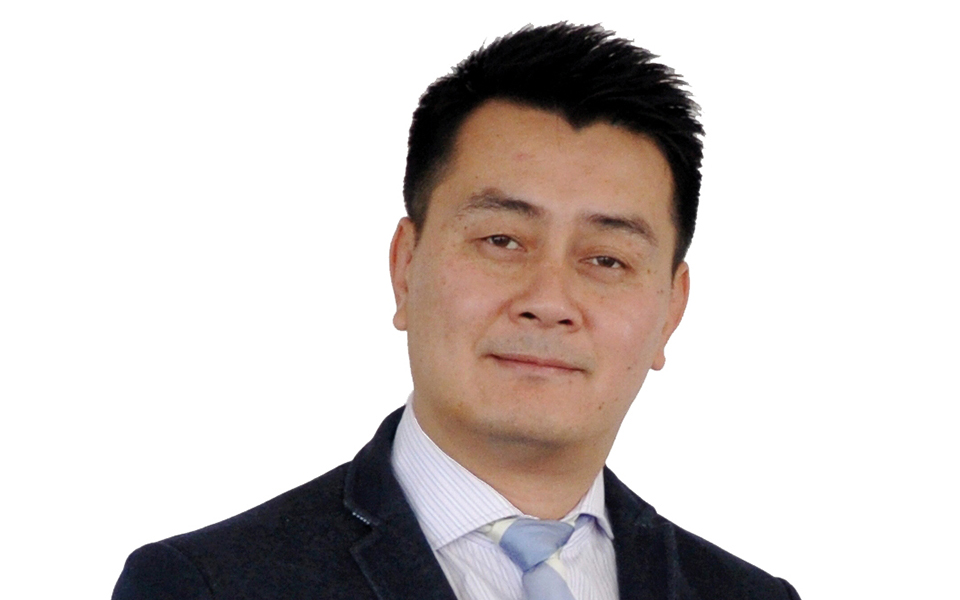
A number of deals contributed to that performance. Vietcap, whose head of investment banking is Vinh-Tuan Ngo, was exclusive adviser to the founder and sole shareholders of Phuc Long, a tea and coffee chain in Vietnam, for a transfer of its charter capital.
It also advised Phu Nhuan Jewelry on a private placement of a 6.6% stake, worth $62 million. This was a challenging deal as Vietcap had to navigate restrictions around foreign ownership limits and the jewellery chain’s limited market liquidity.
Another advisory role was on Indorama Ventures’ $91 million acquisition of a 97.8% stake in Ngoc Nghia Industry through a public tender offer.