
Even as some wealth managers consolidate their regional presence, focusing on one or two core markets, UBS continues to expand across the Middle East, adding relationship managers and new offices. The result is a growing business and product range attracting more new wealthy clients.
UBS reckons its assets in Dubai are doubling every two to three years. In 2021, it more than doubled net new fee-generating assets – despite a lack of travel opportunities – while trimming its cost-to-income ratio by three percentage points.
The Swiss wealth management firm has a regional presence stretching back six decades. It boasts local offices in Riyadh and Dubai, where it has 130 employees, and a rep office in Manama. In April 2021, it opened its first full-service office in Doha, staffed by around 35 wealth and relationship managers.
Another key moment in the awards period was the formation of a new Middle East and Africa private wealth unit under the bank’s Europe, Middle East and Africa umbrella, enabling it to focus on the specific needs of wealthy families. Qatar is a shining example of the bank’s willingness to invest in new offices and experienced private bankers.
UBS rarely misses a chance to innovate. Last year, the bank focused on its chief investment office desk, creating an Arabic language version that issues research on regional sovereigns and state-linked enterprises.
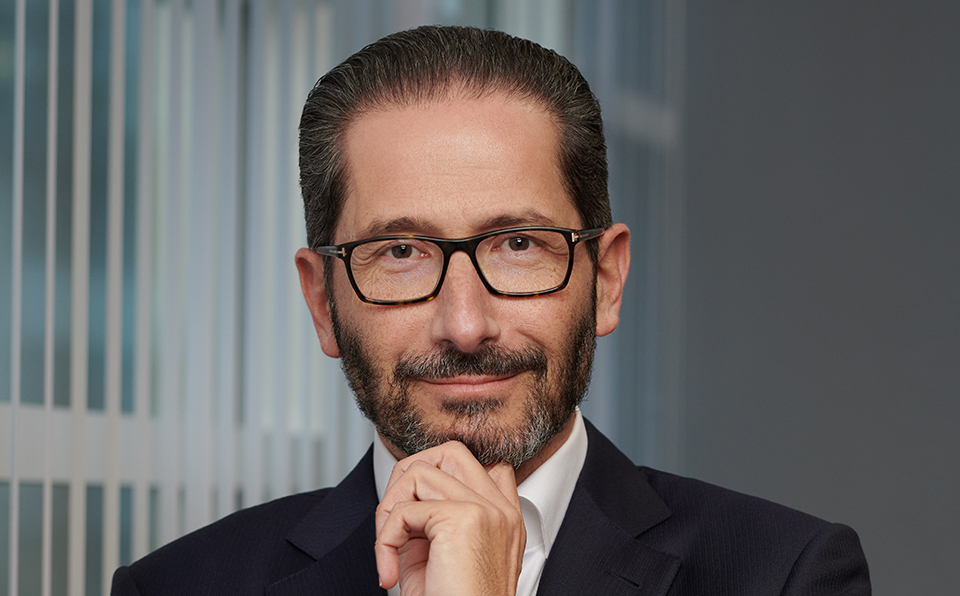
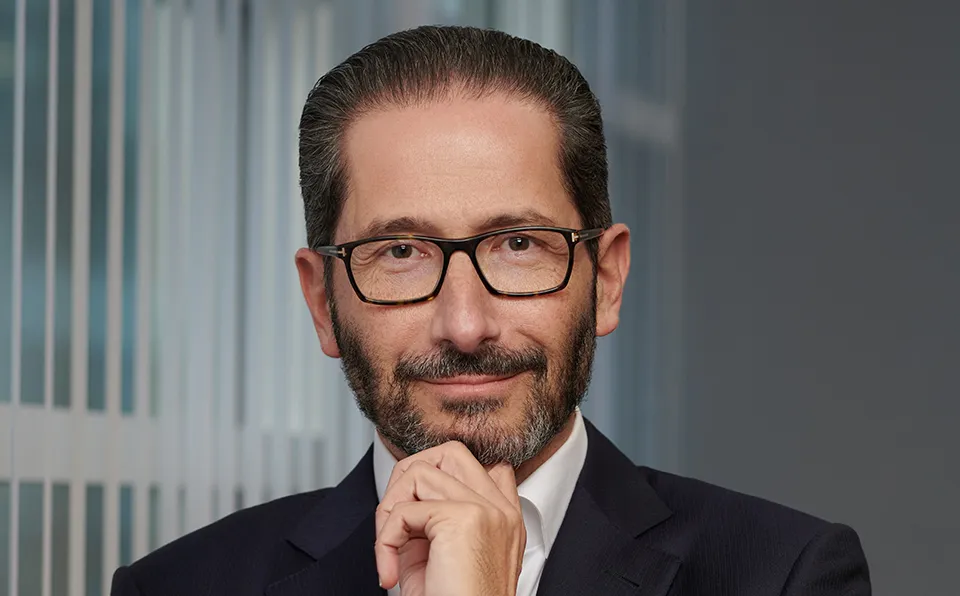
“Clients are at the centre of everything we do,” says Ali Janoudi, head of wealth management, Middle East and Africa. “In the Middle East, we’ve been serving some families across three generations. We can offer them the full range of services, from wealth management to investment banking to asset management. I believe this integrated model, combined with deep client relationships, is what really sets us apart.”
UBS My Way, an app that lets clients create a personalized wealth portfolio, has been a success since its launch, attracting $7.3 billion in invested assets from around the world. It recently added to the platform a Shariah-friendly global single stock module after customers requested it. UBS reckons around 70% of clients want sustainable investment strategies in the Middle East, a lot of which is Shariah based.
The bank’s global Optimus Foundation, which offers zakat-eligible charitable programmes, recently launched a platform that generates returns based on verified social and environmental impacts. A cogent example of the bank at its best is Global Visionaries, which plugs social entrepreneurs into UBS’s network of clients, partners and employees.
The Middle East is growing fast. Governments are diversifying out of oil and gas; big state-linked firms are streamlining, selling strategic assets to global investors or listing them on local exchanges. This is generating huge amounts of new private wealth with which UBS’s relationship managers are keen to engage.
Clients are at the centre of everything we do. In the Middle East, we’ve been serving some families across three generations
Ali Janoudi
Its direct investments group (DIG) matches high and ultra-high net-worth clients with private market deals. These are deals that the market simply doesn’t see: they come in via private equity or club deals, and UBS is in a prime position to match deal and client with each other.
The bank’s global head of DIG recently visited the Middle East to meet existing and prospective clients. There was so much demand for his time from high net-worth individuals and families keen to tap into alternatives to equities and fixed income that UBS extended his trip.