
This year, we acknowledge the efforts of Malaysia’s RHB Bank to elevate marginalized and disadvantaged members of communities through education and empowerment with the award for the world’s best bank for corporate responsibility.
While many large, global firms undertake excellent CSR work, it is important that smaller regional players are also recognized, particularly when they operate in markets where these programmes can have an enormous impact.
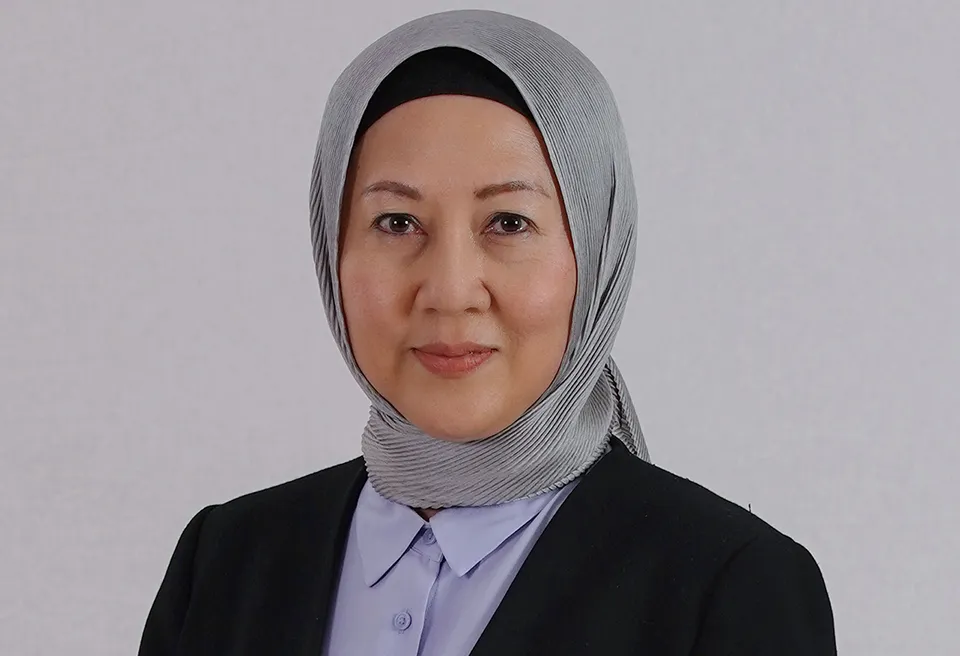
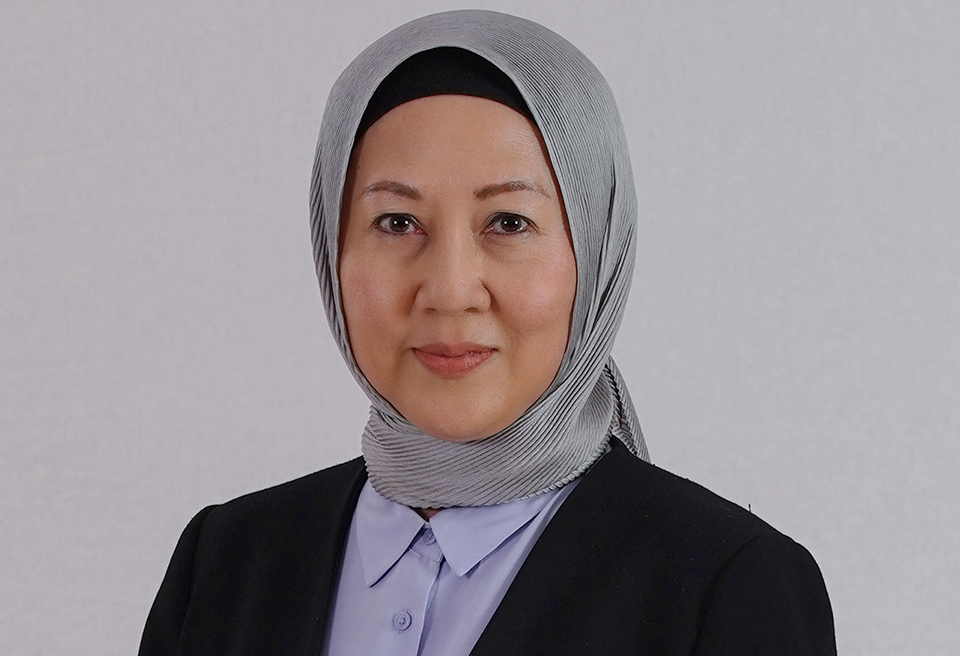
“As a financial institution, we place great importance on education and financial literacy as we know they’re vital for a sustainable future,” says Norazzah Sulaiman, group chief sustainability and communications officer at RHB.
“Our aspiration is to ensure that as many younger generations as possible, especially those from the underprivileged groups, are given opportunities for academic excellence, are equipped with sound financial knowledge and are empowered to make good financial decisions as they progress to the next stage of adulthood.”
Shortlisted
- Bank of America
- CaixaBank
The bank supports a range of education initiatives, with a particular focus on financial literacy. An example is the RHB X-Cel Programme, designed for children from low-income and underprivileged families by providing extra tuition classes alongside meal allowances and reference materials. Students who do particularly well at this then move to a Star Scholarship programme, which allows them to go to local public universities and, once they have graduated, join RHB.
The RHB Money Ma$ter programme is about financial literacy and has expanded beyond Malaysia into Singapore and Cambodia. RHB is clear about why this is a priority: 65,000 Malaysians between the age of 18 and 44 have been declared bankrupt over the last five years, it says, and 47% of young workers are excessively indebted, with 70% living beyond their means.
The bank also seeks to lift communities, including through its RHB Touch Hearts programme, which gives RHB’s 14,000 employees ways to participate in humanitarian initiatives from education to community and wellness across nine countries, including several developing nations such as Cambodia, Myanmar and Laos, alongside high-population emerging markets such as Indonesia and Vietnam. Naturally, RHB’s priority is in its home country of Malaysia, but staff are spread throughout those nine nations, and the intention is to do good in all of them.
There are also dedicated programmes for crisis relief at times of natural disaster in the region.
Programmes such as these were tested – and came into their own – during the Covid-19 crisis. So for example, in the 2021 school year, 796 students were due to sit exams having been backed by RHB X-Cel but were stopped by lockdowns from accessing classrooms and did not have the facilities to access online formats. RHB assisted. All told, in our review period 1,504 students were enrolled.
“The previous lockdowns during the peak of the pandemic have reminded us that equipping the underprivileged segment with access to education and financial literacy are the cornerstones of sustaining their livelihoods” as well as improving their standard of living, says Sulaiman. “As financial resources remain scarce for the underprivileged, it is knowledge through education that would guide them along the path to a brighter future.”
The crisis relief programme has been called upon several times during the Covid pandemic: providing cash and basic necessities to affected families; buying laptops for primary and secondary students from underprivileged backgrounds; buying ICU ventilators for government hospitals; and sending meals to frontline workers.
The December 2021 floods in Malaysia provided a further need and 6,300 people were helped financially to rebuild.
There are two new plans underway. One is an upskilling programme for micro and small and medium-sized enterprises (MSMEs), allowing enterprises from low-income groups to grow their businesses sustainably and with resilience. This includes bi-weekly online classes on themes ranging from emotional resilience to social entrepreneurship. Seed funds will be awarded at the end of the programme.
As financial resources remain scarce for the underprivileged, it is knowledge through education that would guide them along the path to a brighter future
Norazzah Sulaiman, RHB
There is a need for this support: the pandemic had a disproportionately negative impact on the smaller end of the business spectrum.
“The pandemic negatively affected the economic status of micro, small and medium enterprises nationwide, forcing many to close shop,” Sulaiman says.
MSMEs contribute about 40% of Malaysia’s GDP and employ two thirds of the national workforce. Within that, there is a very strong tilt towards the micro end: almost 80% of MSMEs are made up of micro enterprises, which make an enormous contribution to the economy.
“It is on this basis that RHB saw the need to support these entrepreneurs, especially from low-income backgrounds, with a fully subsidized, dedicated programme that aims to teach them how to rebuild or grow their businesses to get them back on track, become resilient and contribute to the nation’s economy and their own livelihoods,” says Sulaiman.
And RHB Au-ssimilate seeks to bring mildly autistic young adults into society by giving them office-based employment skills.
Cambodia, where the bank is closely aligned with the National Bank of Cambodia’s agenda to increase financial literacy, is a strong example, as are Covid-related donations in Brunei and Laos.


