Awards for Excellence 2019
|
|

Advising companies that are looking to merge with or buy others is becoming more complicated. Shareholder activists are on the war path, proxy firms are more vocal, deal jumps are getting more frequent – interlopers are all over the place. For navigating these and other challenges with typical aplomb, Goldman Sachs is our choice for North America’s best bank for advisory.
That Goldman leads all-comers by some margin in announced and completed M&A in North America is hardly news. In the period under review for this award category, the firm had market shares of 41% in announced and 39% in completed for all deals with any US or Canadian involvement, putting it respectively 10 and six percentage points ahead of its nearest rivals.
|
|
|
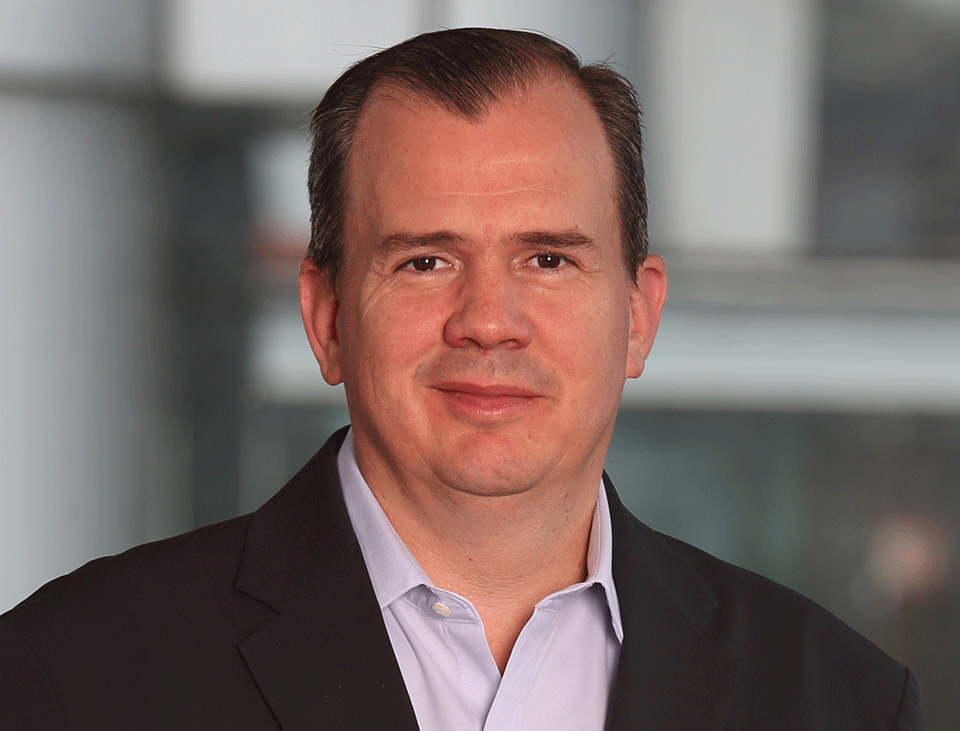
Dusty Philip |
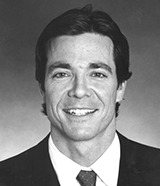
“We shine on the complicated deals, especially where there are cross-border elements or contested situations,” says David ‘Dusty’ Philip, co-head of global M&A. The firm has long prided itself on its strength in defence advisory, as well as its ability to look through a situation to a less obvious solution.
One situation that ended up involving all of these aspects was the predicament that Colorado-based gold company Newmont found itself in after the announcement of its merger with Canada’s Goldcorp at the start of 2019. Goldman was acting for Newmont, alongside BMO and Citi.
Just one month later, Canadian rival Barrick Gold made its own merger proposal to Newmont and then threatened to go hostile when Newmont turned down its initial advance. Barrick and Newmont had discussed merging in 2014, and since then Barrick had acquired a new chief executive, ex-Randgold head Mark Bristow.
Newmont’s advisers had now to plot the defence. The approach was an unusual one.
Instead of a typical brave-it-out campaign, they thought Barrick might be amenable to an alternative deal. Newmont and Barrick already had big independent operations in Nevada, but if a deal could be struck to bring them together, there would be scope to achieve attractive efficiencies quickly.
The result was a joint venture, 61.5%-owned by Barrick, which is set to deliver $500 million of annual savings within five years. Barrick walked away from its threatened bid for Newmont, leaving the Newmont-Goldcorp deal to proceed as planned. It wasn’t the regular M&A approach; in this case the defence was actually putting the two firms together to discuss something else.
While unusual, it is exactly the kind of situation in which Goldman excels, bringing to bear its expertise and knowledge of markets, together with insights into the likely behaviour of industry players.
|
|
|
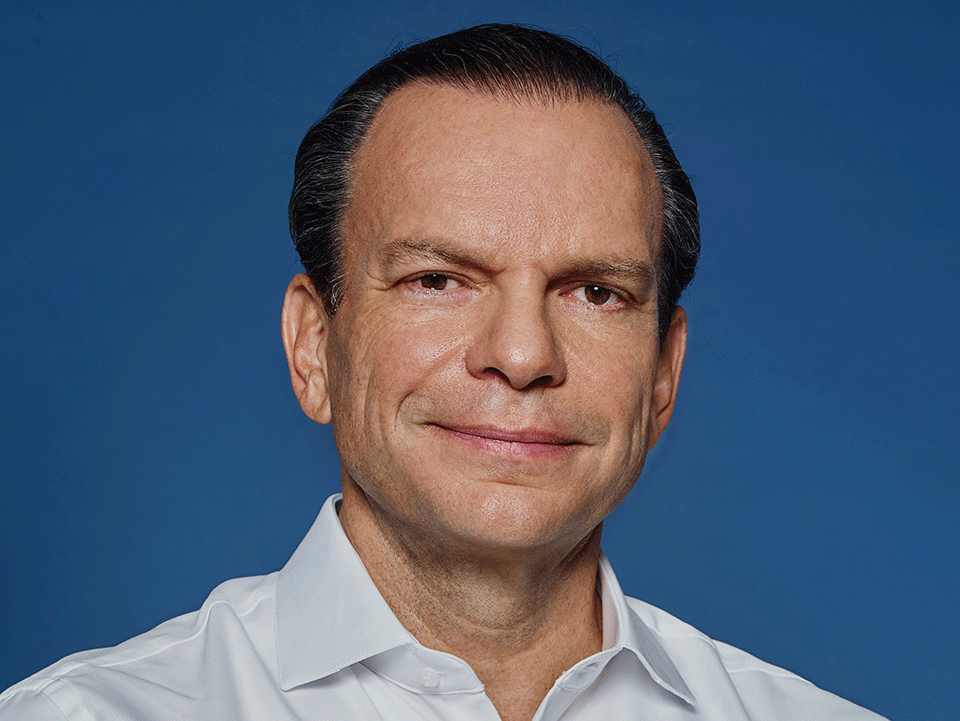
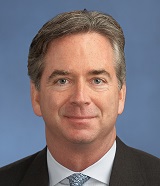
Michael Carr |
The firm’s deal list for the year included many other banner transactions, including ones that showcase the focus on buy-side advisory that has been a particular strategic push over recent years, supported by increased deployment of financing.
It was a buy-side adviser on IBM’s purchase of Red Hat, the largest software deal ever, and it was joint lead on the bridge facility for IBM. Similarly, it advised Fidelity National Information Services on its purchase of Worldpay, the biggest fintech deal, and was again joint lead on the bridge.
What is notable about Goldman’s M&A franchise is the way in which it has continued to push for improvement – remarkable for such a dominant business. But its bankers argue that new skills are constantly needed, particularly in an era of activism.
“Today you have to spend so much more time on the period between signing and closing – you have to go investor by investor,” notes Michael Carr, co-head of global M&A.
This is reflected in structural changes. The firm used to have bankers in the M&A team that considered deals from a capital markets perspective – they now sit in capital markets, to be closer to the action and better able to assess and predict shareholder behaviour.
And with deals becoming more complex, Goldman looks unlikely to lose its edge any time soon. As Philip notes: “The more parts you need, the better we are.”