Awards for Excellence 2018
|
|
|
Also shortlisted |
Citi |
HSBC |
| View full 2018 results |

Last year Morgan Stanley broke into the top three global rankings for overall sales and trading for the first time in at least a decade. Delivering almost $13 billion in revenues, it ranked behind only two universal banks with much bigger balance sheets – JPMorgan and Citi. Its market share among the top nine global banks now stands at 13.5%.
But the growth has not been down to a sharp rise in risk-weighted assets or a looser attitude to risk. Indeed, Morgan Stanley’s management is obsessed by consistency of risk and return in its markets business.
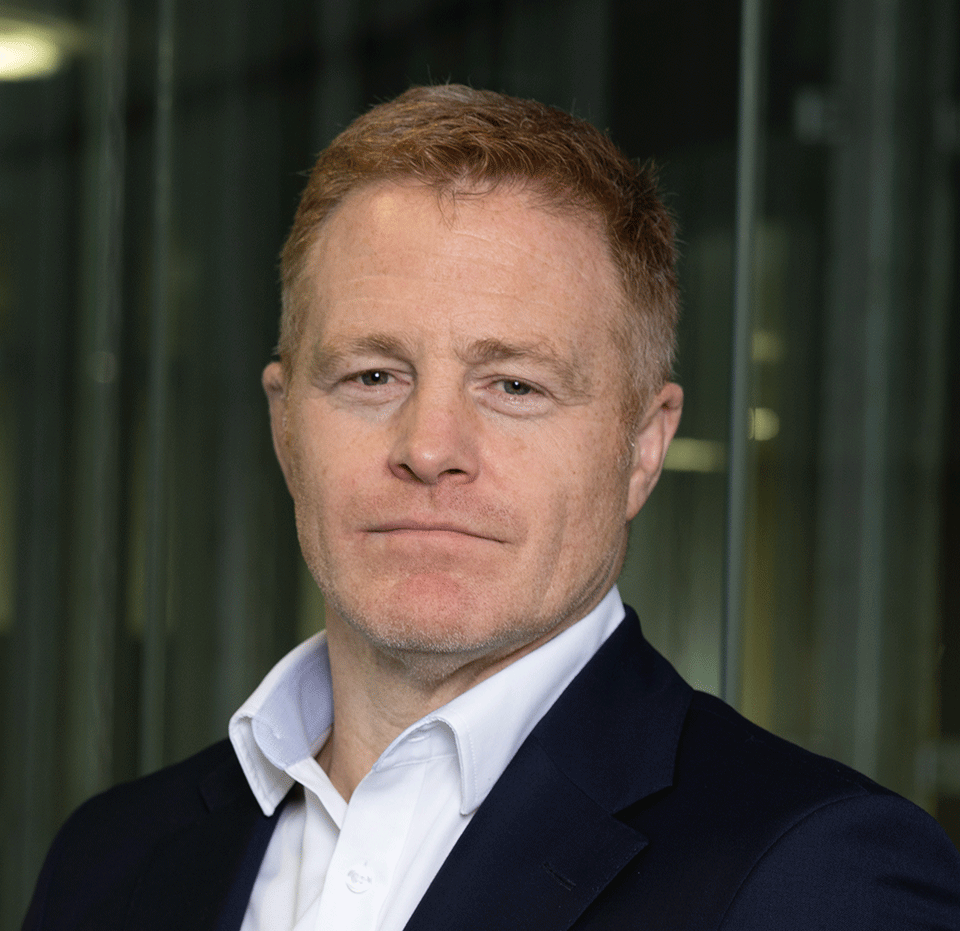
“For us, risk is not a balloon that we fill up and empty at different times,” says the firm’s president, Colm Kelleher. Financial discipline, he adds, comes from consistency of approach, which in turns comes from consistency of management – the firm is rightly proud of the 20 years-plus average experience of its senior management.
Beneath this, in both equities and, more recently, fixed income, the firm has empowered what global head of sales and trading Ted Pick refers to as “the green shades guys” – senior executives in the business units who hold real power over strategy and trading positions and keep tight standards of control.
The firm’s chief executive, James Gorman, calls the global equities business “amazing”, and Kelleher says Morgan Stanley is “paranoid” about its 20%-plus market share. That is understandable.
It is easy to forget today, given its dominant market position, that in the years after the financial crisis the firm almost slipped out of the top five in the global league tables. The overall wallet in equities is not growing. Other firms looking to boost market share are focusing on the lower return-on-equity businesses such as statistical arbitrage trading.
Pick says there is no point in chasing new business at ROEs of around 6% when the existing business generates much more than that. But he points to two areas where Morgan Stanley can continue to grow. “We get a certain amount of operating leverage in this business once we reach a certain point of scale; in effect, scale builds scale,” he says. In the first quarter this year, it brought in $2.6 billion in revenues, the highest in a decade.
“If the growth of passive investing was a headwind for global equities, then Mifid II is the kerosene” – Ted Pick
And Morgan Stanley is deepening relationships as it helps clients adapt to the minefield of the EU’s recast Markets in Financial Instruments Directive (Mifid II).
 |
| Ted Pick |
“If the growth of passive investing was a headwind for global equities, then Mifid II is the kerosene,” says Pick. “Our clients will have to reinvent what they do, and our aim is to help them learn through the reinvention together.”
Alan Thomas, head of the bank’s Americas institutional equity division, points to other areas in equities where the firm is looking to gain traction. In equity derivatives, as well as futures and options, Coalition ranks the bank between fourth and sixth globally.
“We remain focused on closing the gaps where we have them,” says Thomas.
But it is the turnaround in Morgan Stanley’s fixed income business – with vastly reduced headcount and risk-weighted assets – that is the remarkable success story at the firm. It now seems inconceivable, after the fixed income division delivered around $5 billion in revenues in 2017 and a remarkable $1.8 billion in the first quarter of this year, that the whole future of the division was being questioned as recently as three years ago.
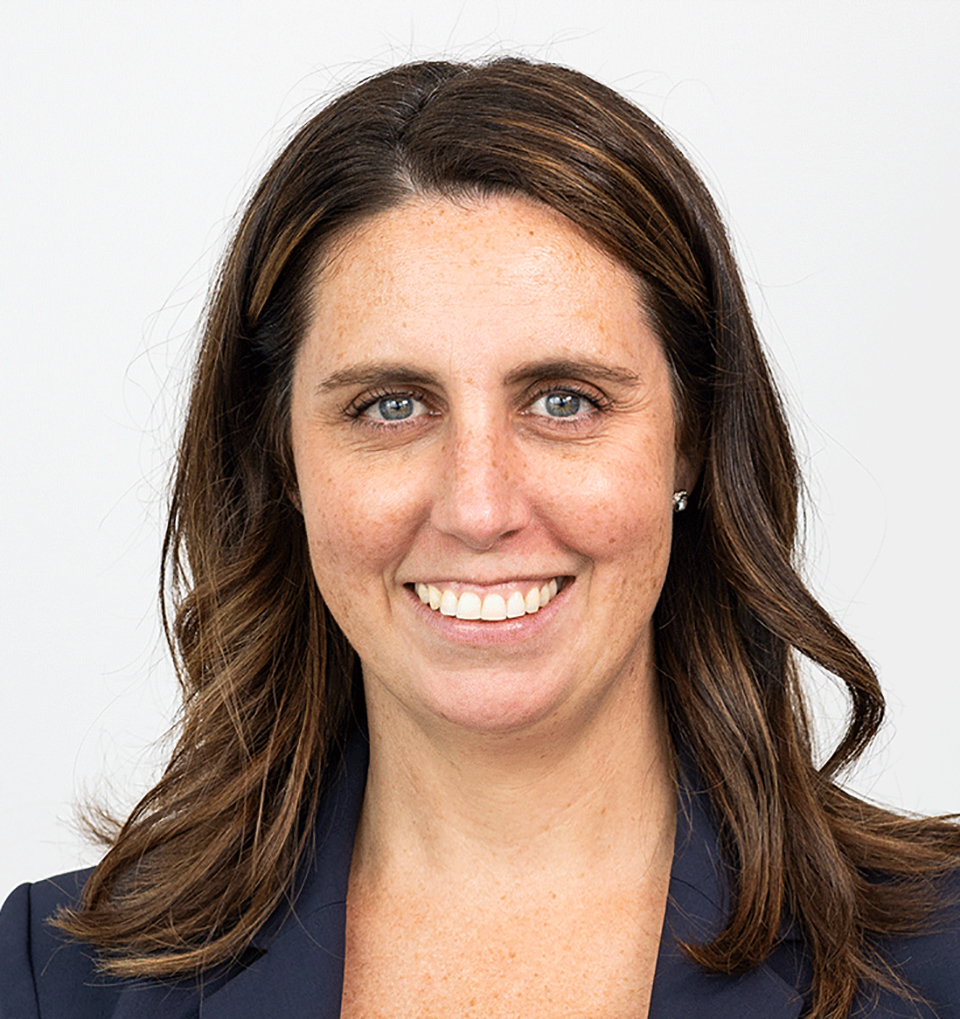
The transformation has been led by Pick and his key lieutenant Sam Kellie-Smith, who moved from head of equities to run the fixed income division in early 2016.
“We decided that we must get the cost base under control, and then we had an existential crisis about it: ‘Are we going to be in or are we going to be out of fixed income?’ And that was pretty defining,” says Kellie-Smith.
It was around then that the bank looked at its equities business for clues of what to do with fixed income.
“We thought: ‘We have the right practices to run a successful sales and trading business. So let’s run this thing like a sales and trading business,’” says Kellie-Smith. And in the end clients stuck by Morgan Stanley’s objective, he says. “They believed in us when we said we were right-sizing the business, and our market share has grown as a result.”
In 2017, Morgan Stanley’s fixed income markets business climbed from fifth to fourth in the global league tables complied by Coalition. Kellie-Smith thinks even better times are ahead; two years of consistency in the business doesn’t hurt.
“The new team’s been together for two years,” he tells Euromoney. “If I think about first quarter 2016, it noticeably underperformed – it was under 5% of the wallet. But the group was more focused when we came in to 2017 and 2018. Compensation has been up, and the teams have worked together and know each other better.”
Morgan Stanley’s traditionally hedge fund-heavy client base is one place the bank will be looking to expand from. Kellie-Smith says the bank is looking to add more real money investors and corporate clients to its revenue base, which in 2017 had already expanded to $5 billion, or a wallet share of 8.2%.
Kellie-Smith says it is not about wallet alone. Indeed, caring too much about wallet may have been what caused the bank to have a bloated cost base in fixed income in the first place.
“The whole point of what we did was to run a business irrespective of the wallet and what others do,” he says. “We feel that we’re in control of our own destiny.”