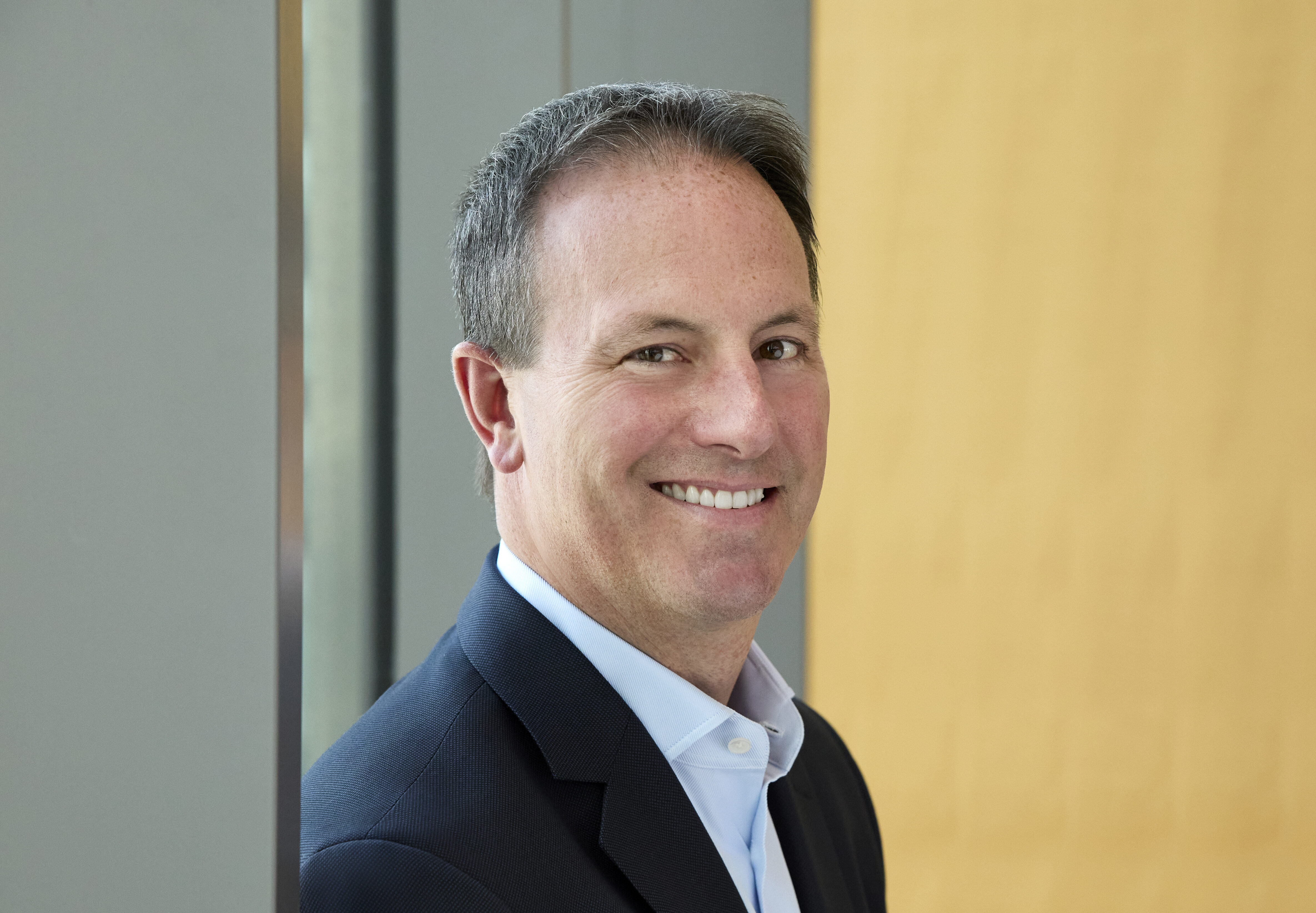
Mian Mansha: patriarch and perfectionist
Nishat’s plans to list in London
Nishat: investing in Pakistan’s infrastructure
Both politicians have played, and continue to play, key roles in Mansha’s life. Sharif, in the first of his three stints as prime minister, between 1990 and 1993, was responsible for privatizing MCB. Under his watch, the bank was sold to a consortium comprising Mansha and several Chinioti families including the Din Group, run by SM Muneer, vice-chairman at MCB. Mansha’s tender was only the third highest, yet it was accepted by the Sharif government.
The two highest bids, led by the Tawakkal and Adamjee families, were rejected by then-finance minister Sartaj Aziz because the bidders had declined to disclose the source of their income. Many in Islamabad have long believed that Mansha’s consortium won with a lower bid because it was willing to hand Sharif a sizeable chunk of the new, privatized MCB.
Mansha dismisses the allegation. “I’ve never met Nawaz Sharif in my life,” he says. “Where the rumours came from I don’t know – it was a bank that we bought during [Sharif’s] tenure, so people say that I have a connection to him, but it’s not like that at all.” However unlikely it seems that two of Pakistan’s most powerful individuals have never chanced upon each other at a private or public engagement, Mansha’s affection for the former premier remains undimmed. “I really respect Nawaz Sharif,” he says. “He brought in so much competition between 1990 and 1992, really shook up the economy and privatized a lot of things. He’s the one that opened up the gates to foreign investment, and who put us where we are now.”
Sharif’s third stint in office, between 1997 and 1999, was a less happy time for Mansha. Pakistan’s economic growth was slowing as fast as corruption and graft were rising, and to many it was small surprise that the military took over, under Musharraf, at the end of Sharif’s final tenure.
In 1997, Mansha was quoted in The Nation as saying that he wished he had never hitched his wagon to MCB. Political pressure had come to bear on the owners of MCB to appoint government cronies to high positions within the company, and possibly to hand a large minority stake or even a controlling stake back to the government. It was, he said in the newspaper report, his “biggest business slip-up” and that with hindsight he should “never have invested in the bank”.
Asked whether he still feels the same way, Mansha grins crookedly and tilts his head a little. “Ten years ago, some other things were happening,” he says. “Then, MCB was not doing well. There was a lot of political pressure on me. But since then, politically speaking it has become so much better, and people are not interfering as much now. What was happening then were political considerations, where certain people wanted to be given loans, or appointments at the bank, and that was a problem.”
Clearly, for all of his latter failings, that sort of cronyism was less prevalent under Musharraf, and Mansha has been allowed to continue growing MCB and the rest of the Nishat Group on his own terms, for much of the past decade. “Pakistan is a much better place to do business now,” he says. “One of the really good things about the country is the banking sector. We have cleaned up our NPLs [non-performing loans], and our competitors are in a good position too. We are all expanding our business and cutting costs. Pakistan’s banking sector is one of the very bright spots here.”
Mansha’s relationship with Zardari is less clear. Certainly some of his partners at Nishat Group were close to the current president’s late wife – notably Din Group’s Muneer, who served as a minister of state under Benazir Bhutto in the 1990s. But it was no secret that the sale of MCB in Mansha’s favour irked Bhutto and her political allies in opposition, who ceaselessly attacked the privatization process, regularly promising to return MCB first to state hands, then to a third-party consortium closer to Bhutto and Zardari, once she came to power.
That never happened, yet many close to Mansha believe that he partnered up with Malaysia’s Maybank for more than one reason. “It wasn’t just about raising capital and getting into Islamic banking and Islamic finance,” says an individual close to the Nishat Group head. “What a lot of people believe, and what I believe, is that Mansha was afraid that Zardari would come back to power and then would want a chunk of the money made in the past eight years to be handed back to the government to shore up finances – a sort of toll on the bank. So allying himself with Maybank was a masterstroke. He would have been able to say, if Zardari had tried such a thing: ‘This is a bank owned 25% by a reliable, strategic foreign shareholder, so don’t touch it.’”