Bankers at Citigroup, working the numbers on the global oil industry, suggest that at a price of $75 per barrel it is a $3.5 trillion-a-year market throwing off annual profits of $1.8 trillion. For comparison, if you treated the $11 trillion economy of the US as a business, it would be producing annual net income of $1.5 trillion. So, at these price levels, the global oil business is a more powerful entity than the world’s biggest national economy.
The resulting flow of financial wealth, largely from developed countries to the newly enriched emerging markets, is vast, unprecedented and opaque, and it is transforming the world at a speed and in ways that are still not well understood.
Last month, the Institute of International Finance forecast that the nominal GDP of the Gulf Cooperation Council countries would grow by 19% in 2006, following a cumulative expansion of 75% over the past three years that has lifted GDP per capita from $11,000 to $17,000.
The region’s oil profits have been recycled into financial markets, notably US and European government bonds, as well as riskier private financial instruments, at a furious pace. In the past six years, the GCC has accumulated $400 billion in foreign assets and is set to export another $450 billion in capital during 2006 and 2007.
These are astonishing numbers and, at a time of extreme geopolitical tension and ill will around much of the globe towards the US administration, have created an uneasy debate about the financial interdependence of those countries burdened with huge liquidity to be invested – the oil producers, the Asian exporters – and the world’s biggest borrower. Who has the greater challenge – the debtor, or the reserve investment manager at the Central Bank of Iran desperate to place dollar funds in liquid, low-risk markets like US government bonds? Who controls whom?
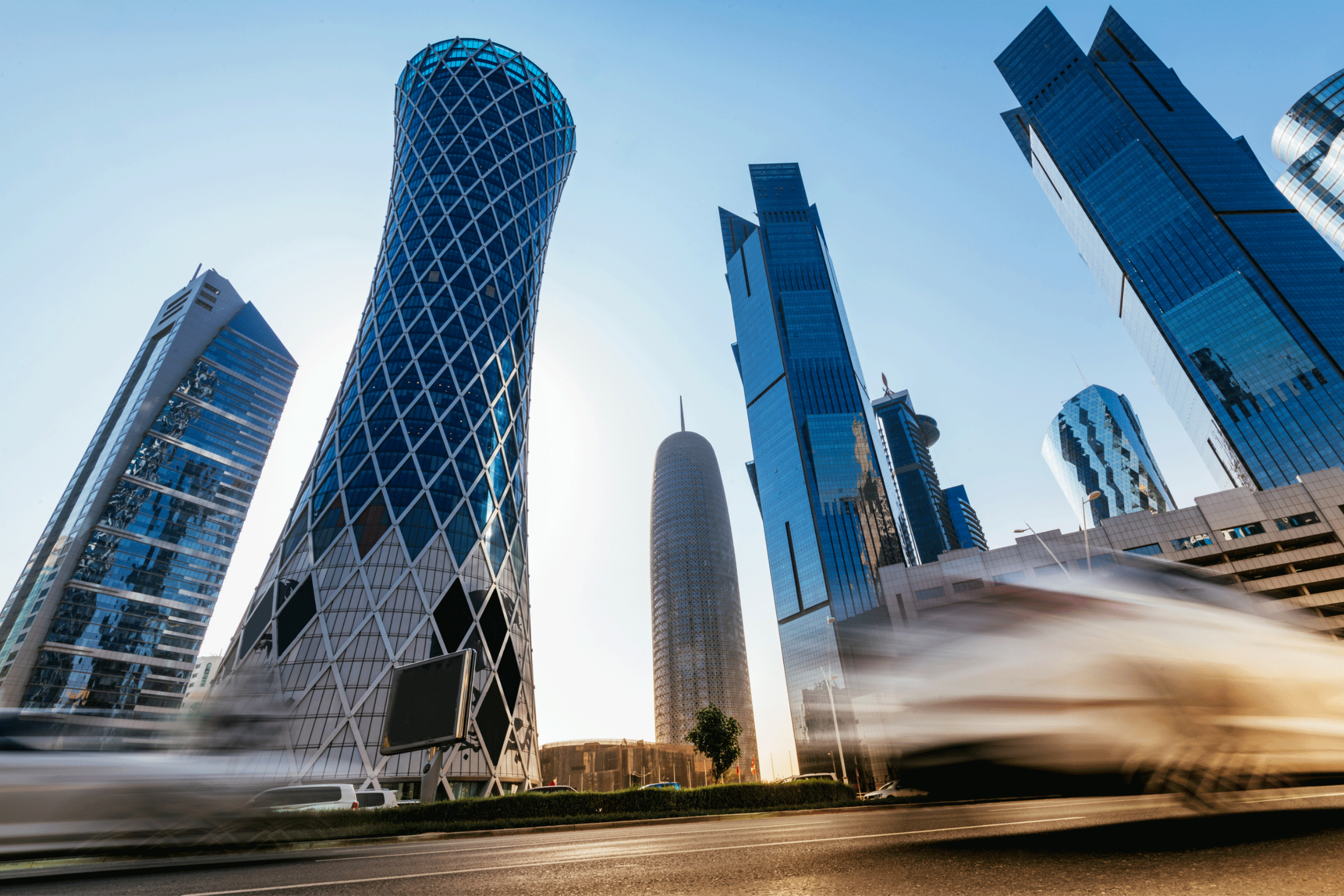
There is a sense of something temporary and unsustainable about all this. Of course, financial markets have a wonderful capacity to take suddenly inflated fortunes and destroy them. And, if not the dollar, then the oil price could always decline swiftly, if the US economy continues to slow, also depressing the Asian exporters. For that reason, it is important to look at the recycling of export and commodity surpluses beyond financial market flows. As well as lending money to the US Treasury, the GCC states have lined up projects worth $1 trillion – mostly in infrastructure – to upgrade and transform their economies in the years ahead.
Similarly, China has been investing heavily in, for example, building up a huge export-oriented domestic car industry. Ultimately it will be the productivity and success of these long-term strategic investments, not the financial returns on deployment of excess reserves into financial markets, that will dictate whether the huge paper wealth gained by emerging markets is a temporary blip in financial market or the spur for a radical change in the world economic order.
One analogy for what is happening in emerging markets today is internet companies such as PCCW that swiftly transformed temporary, unsustainable financial wealth in the form of inflated stock prices – for which, read the oil and export windfalls – into real long-term assets, such as the fixed-line assets of Hong Kong telephone that PCCW acquired. For this read job-creating business and economic activity that emerging markets are racing to entice within their borders.
Another analogy might be the transformation of the American economy in the years of the New Deal in the 1930s. Of course, just as some US spending then was boondoggle, so many of the individual projects being planned in emerging markets today – glittering new cities by the Gulf and the Red Sea, dozens of big Chinese cities each with their own car plants – will fail and be shuttered. But in the meantime, the spending of the oil wealth will suck in imports, provide a medium-term economic boom and might swiftly and radically realign the global order of which countries boast what combination of real wealth, jobs and durable economic activity.