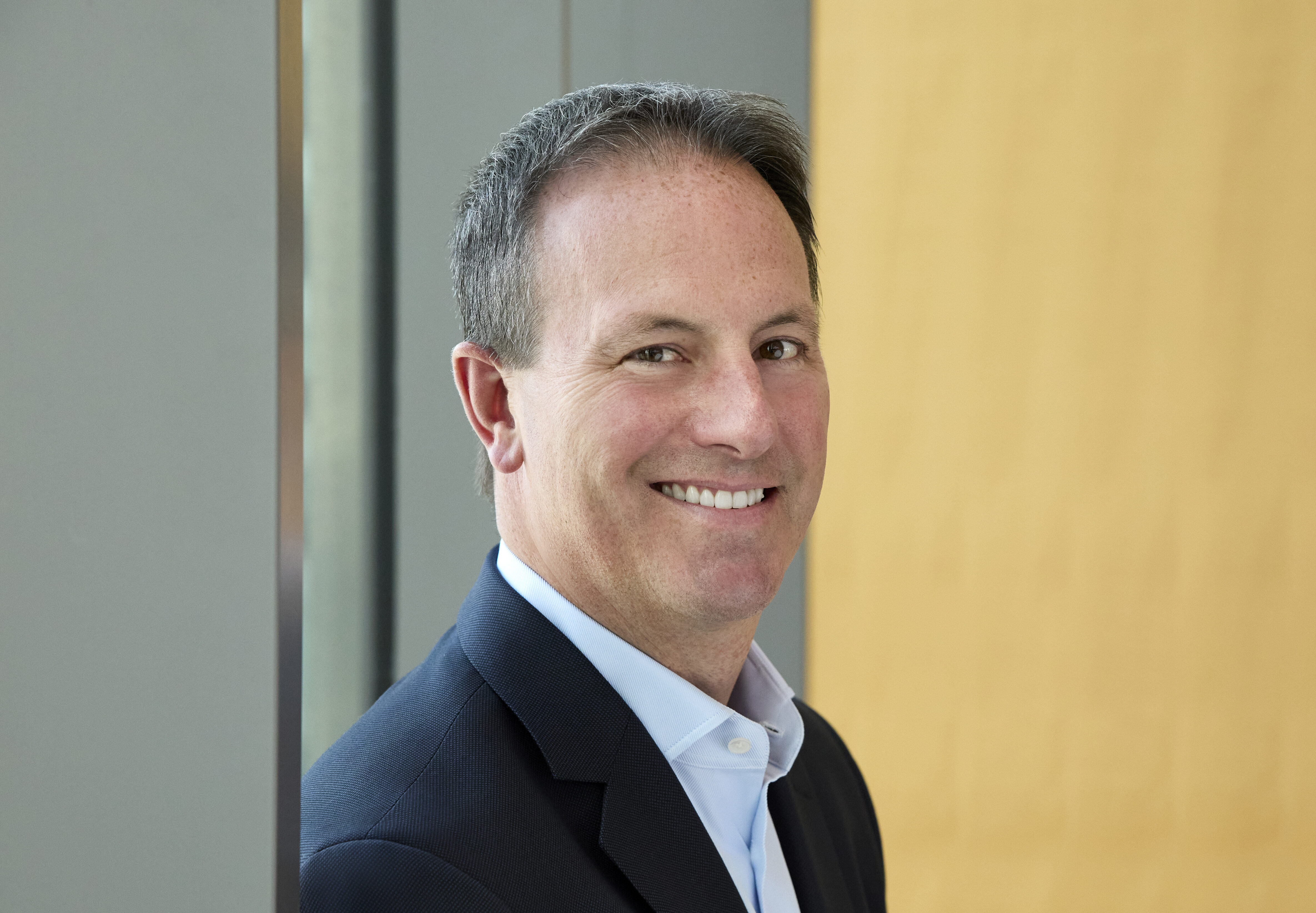
Why have you decided to tackle soft commissioning and fee bundling now?
It’s important for customers to be clear how their money is spent. We believe that there are conflicts of interest under the current system.
What evidence have you found that the arrangement whereby fund managers pay soft commissions and bundle together the fees they receive for research and execution is detrimental to investors?
There is very little high-quality information about the dynamics of the UK marketplace, so before we launched any regulatory proposals we wanted to make sure that we understood the nature and scope of the conflicts and the underlying economics of the market. We asked Oxera [Oxford Economic Research Associates] to undertake research on our behalf, and we have published their findings with our consultation paper. Oxera’s research showed that over £2.3 billion [$3.6 billion] was paid in commission by UK institutional fund managers to UK brokers in 2000.
What we are asking is whether there is an incentive under existing soft commission arrangements and bundled services for fund managers to pass through, as commission, costs to their clients that you might expect fund managers to bear themselves. The clients have to know what they’re getting for their money.
Despite this conflict of interest is it fair to regulate when it is still difficult to say conclusively that these arrangements adversely affect a fund manager’s performance or provide bad value for money?
Where you have the existence of a conflict of interest and incentive misalignment, why is it right for the regulator to stand back and allow this to continue unless it can prove that these conflicts are having a detrimental effect on the market? We think that it is better for the client, rather than the fund managers, to be given the benefit of the doubt.
If fund managers are no longer allowed to bundle together the fees they pay to brokers for research and execution, what practice do you hope the market will adopt in its place?
We have not proposed that a broker cannot bundle the supply of services. We have only proposed that a fund manager cannot bundle the cost of services other than dealing in with the dealing commission.
The consultation paper does not contain rules and guidance. This is a very green consultation paper. We really are coming
back and saying: “This is where we think the industry is.”
At the beginning of April, Gartmore signed deals with Goldman Sachs and Merrill Lynch to break its payments for share trading and analysts’ research into separate parts. Would this be an acceptable practice under the proposed rules?
We think that is a very timely development – almost an anticipation of our proposals.
These proposals and your previous consultation paper on the subject, CP171, do not say what you expect will become of analysts. Who will pay for their research?
We think the proposals here and in CP 171 are not anti-analyst research but encourage fund managers to think about what research they need and what research they want to buy. This should provide a boost to all those that actually provide research, whether they provide it independently or in-house. Our proposals should level the playing field between independent and in-house research.
CP176: Bundled Brokerage and Soft Commission Arrangements and Oxera’s research are available at https://www.fsa.gov.uk/pubs/cp/176 /index.html. The consultation period ends on August 29 2003.
The proposals
On April 7 the Financial Services Authority published its consultation paper CP176: Bundled Brokerage and Soft Commission Arrangements. The UK government had asked the FSA to look at commission costs incurred by fund managers on their clients’ behalf.
The request came in response to findings that emerged from the March 2001 review of institutional investment undertaken by Paul Myners for the UK Treasury. The Myners Report recommended that these costs be reflected in the fund manager’s fee to investors.
The FSA has made two main proposals in its consultation paper:
? fund managers will not be able to purchase third-party services, such as Reuters screens and the provision of capital, with commission (a practice often referred to as “softing” or paying soft commission)
? fees for trading, information, research and other services would no longer be paid for in one flat, or “bundled”, fee. Funds would only be able to pass on the cost of trading to customers. Other services would have to be set up under separate contracts and fully disclosed.