When Royal Bank of Scotland succeeded in its bid for NatWest earlier in the year, the end of independence for the struggling UK bank was not the only outcome. It was also testimony that Goldman Sachs was the premier M&A house in Europe. Add this to its dominance of the US market for the previous five years, and its strength in Asia, and Goldman is the obvious choice for best M&A house of the year.
Goldman was involved in 45% of all major deals globally, compared with Morgan Stanley’s 34%.
It was top in Asia with 70%, top in Europe with 49.4%, and top in the US with a 40.3% share. It has slipped up in Asia so far this year, being involved in just 10.7% of deals, which places it seventh, and it is just behind Morgan Stanley in Europe (having worked on 39.7% of deals, just under 2% behind its great rival).
So successful has Goldman been that it has at times found itself in too many deals, which has sometimes led to embarrassment. Last year, for example, it was accused of conflict of interest by advisory client Mannesmann while helping Vodafone mount a hostile takeover for Mannesmann: a claim the courts dismissed.
RBS was just one of a string of European financial deals Goldman has been involved in, including advising BNP on its hostile takeover of Paribas, Lloyds TSB on its acquisition of Scottish Widows, and Banca Intesa on its takeover of Banca Commerciale Italiana.
Goldman also advised Dresdner Bank during the abortive Deutsche-Dresdner merger.
Goldman dominates nearly all sectors, not just financial services. It co-advised Seagram on its purchase by Vivendi, Thompson Newspapers on its sale to Media General, and Preussag on buying Thomson Travel. It counts Microsoft, Red Hat, S1 and Engage Technologies among clients in the past year.
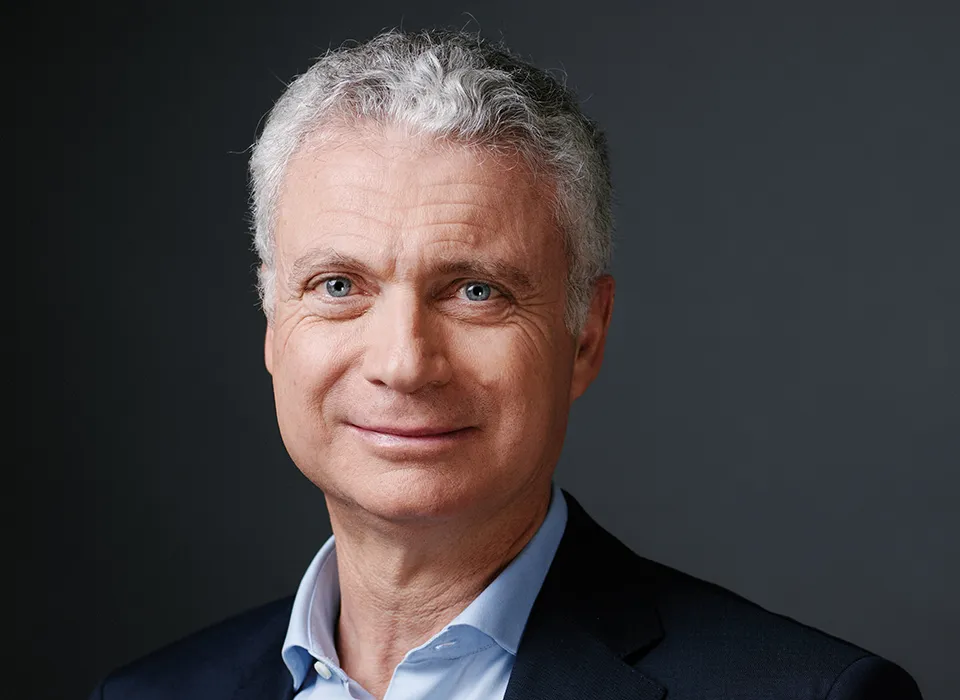
Jointly running the division is co-global head of M&A Steven “Mac” Heller. He says: “We encourage and reward a culture of teamwork rather than the cultivation of individual superstars.” That is one of the more obvious ways in which Goldman and nearest rival Morgan Stanley Dean Witter differentiate themselves from competitors. “Theirs are more institutionalized businesses than having star bankers,” says DLJ’s brokerage analyst Joan Solotar. “And they are the leaders in this area. Both are well positioned globally, with 50% or more of revenues outside the US.”
Not that this has stopped Goldman from poaching better-known bankers. In late 1998, in the run-up to its IPO, the firm lured some top names from rivals, such as Kendrick Wilson, the financial institutions M&A expert who moved from Lazard. More recently Goldman hired Jack Levy from Merrill Lynch, a move that some felt might be little more than a spoiling raid on a rival.
Heller attributes his firm’s success “to an emphasis on the quality of what’s provided for clients, not headline-grabbing deals, but rather breadth and quality”. The career progression of his staff is also important. “Our bankers have spent their careers migrating through various regions and industry groups. That gives us a great mix of talent with a variety of experience across disciplines.” And that will become more important, he says, as deals require more of an investment bank’s resources: “Being able to offer fixed income, equity and derivatives instruments is becoming more and more crucial to seamless execution.”