 |
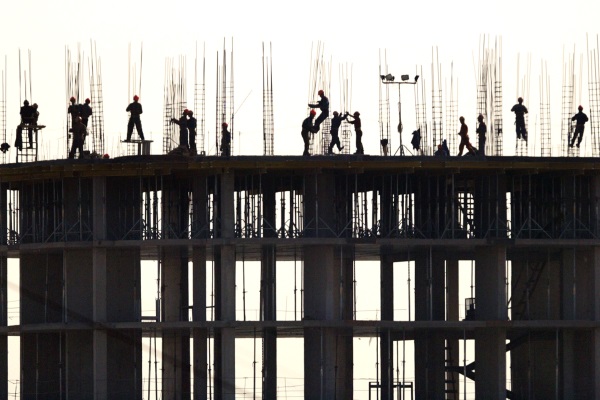
| Kazakh workers build a skyscraper in the country’s capital Astana |
The trigger point for Nursultan Nazarbayev came via a graph, in January. Kazakhstan’s long-standing president had called a meeting of his ministers to discuss the country’s economic performance. It was doing well enough, growing by 6% year-on-year in 2013, against 5% in 2012. Private consumption was up, thanks to rising consumer lending, as was foreign direct investment and private-sector investment. The country was performing well in the World Bank’s annual Doing Business report, ticking up 24 places to 50th place in the five years to 2014.
Nazarbayev had long been desperate to turn central Asia’s largest economy – a natural bridge between Russia and China, and a buffer against rising extremism south of its borders – into a full middle-income nation by 2030.
By mid-century, presumably after passing control of the country to a handpicked successor, he wanted Kazakhstan to be transformed into...
Access this research
Enter your work email address to sign in or check whether your organisation already has access to Euromoney.