Awards for Excellence 2014: Best global risk adviser

A highly specialized cross-asset structuring team has placed Deutsche at the forefront of risk management solutions

Best global risk adviser:

Deutsche Bank

 
Also shortlisted:
  Citi
  HSBC

View more 2014 awards

The best risk advisers do not just have deep global and local markets insight, they are also adept at pinpointing risk and highly skilled at structuring and executing solutions that specifically address a client’s needs.

Most global banks would claim to be all of that, but few really have the capability, and even fewer use such capability well.

Deutsche Bank is one of those few and over the past year the investment bank has shown that it is at the front and centre of tackling some of the most challenging and profound risks that corporate and investor clients face.

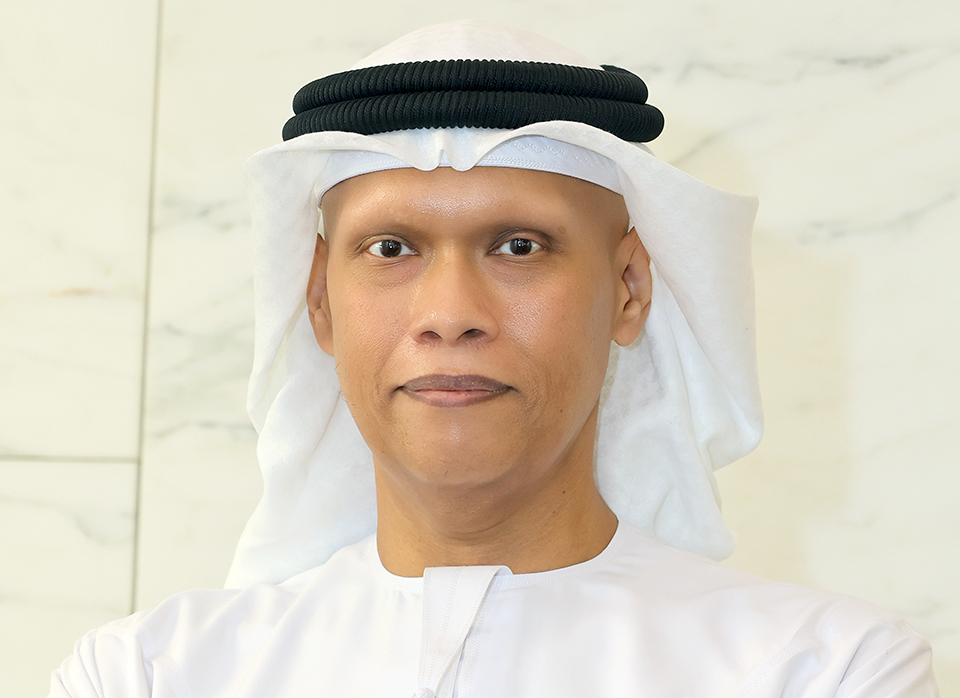
One of the key reasons why it can do this is that it has an independent, yet fully integrated, global structuring business run at the executive committee level by Ram Nayak, enabling Deutsche to take a highly collaborative, cross-asset approach to addressing some of the main risk challenges faced by the bank’s clients globally.

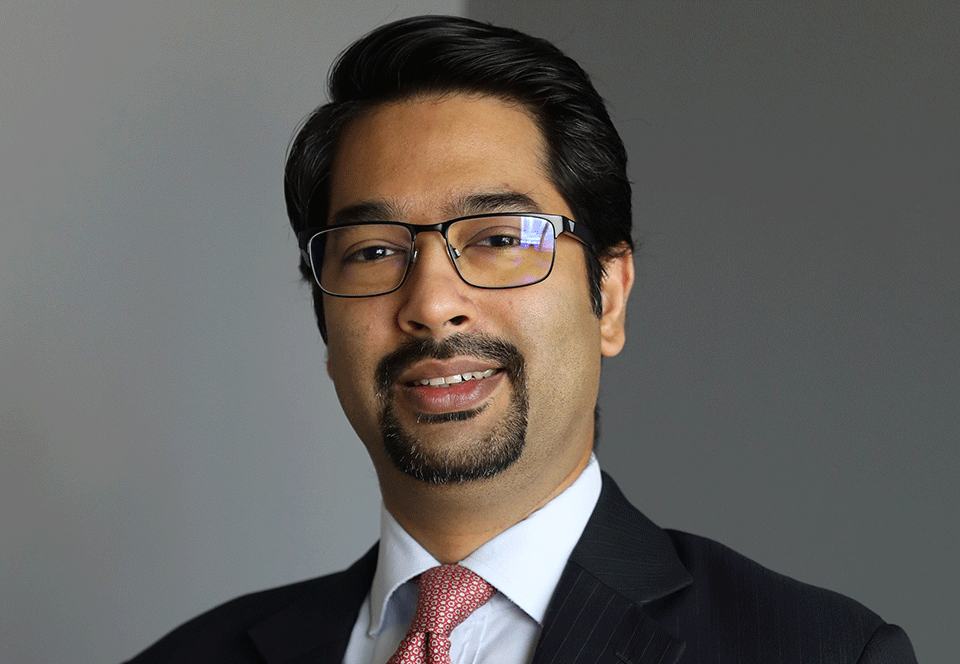
Rashid Hoosenally, Deutsche
Deutsche is building core risk solutions for clients

Rashid Hoosenally

“That’s one of our main competitive advantages,” says Rashid Hoosenally, global head of macro structuring at Deutsche in London.

This unified and specialist approach has delivered tailored risk management solutions to clients in a multitude of areas, but it is for its work in three areas in particular that the firm stands out from the competition over the past year: emerging market currency exposure, derivative compression, and so-called risk factor or risk premia investing.

Managing emerging markets currency exposure is difficult at the best of times, but when emerging market currencies suffer bouts of volatility such as in the past year – largely provoked by the US Federal Reserve’s tapering announcement – the need to mitigate this exposure becomes so much more acute and urgent for companies.

However, “the basic problem is that everyone knows the risk is significant but it’s incredibly expensive and painful to hedge,” says Hoosenally. “Paying negative carry when things seem okay is an incredibly tough decision for any client to take.”

Using forwards to hedge this exposure is expensive. Using collars is the next best alternative, not least on cost. However, the downside on collers is that the options need to be rolled over frequently, making it impossible to know what the final cost will be, and especially in volatile markets where carry and liquidity costs may spike.

So what’s the answer?

Deutsche engineered and launched what it calls an automatic rolling collar or ARC.

At its most basic, ARC addresses the rollover risk because the client buys a strip of collers way out in the future, say every three months, and Deutsche underwrites all the rollover risk and operational costs – the first time an investment bank has offered this.

Deutsche executed the first ARC trade of its kind earlier this year, and since then has been engaged in discussions on this trade with up to 20 other large corporate clients, some of which include EuroStoxx50 companies, says Hoosenally.

He adds: “I do believe many will adopt it as a core solution.”

Deutsche has also been at the forefront of advising banks on derivative compression, and advising large institutional investors on risk factor investing or asset allocation.

Derivative compression – essentially closing the gap between gross and net derivative portfolio sizes by cancelling unnecessary trades – is one the toughest challenges any global bank faces. Banks need to rid themselves of vast swathes of their derivative exposures to radically shrink balance sheets so that they can comply with Basle III rules, and the leverage ratio specifically, ahead of its implementation next year.

Deutsche itself faces a particularly tough challenge as it aims to cut €105 billion from its own derivative exposure by 2015, with €75 billion from compression trades.

The magnitude of Deutsche’s own exposure no doubt underscores why it has been so active here but the fact remains that it has been one of the busiest firms on the street for executing compression trades, for and with equally sophisticated global banks, and is one of the few investment banks that rivals will turn to for help.

That takes trust, skill and expertise. Mutual interest is important too.

On the other side, Deutsche’s leading role in driving institutional investors’ embracing of risk factor investing has helped take the strategy from being used only by a handful of large and sophisticated investors in the Nordic region to the global stage.

This approach to portfolio construction, often described as the third generation of asset allocation, aims to provide stable returns at lower risk by capturing risk premia within equity markets. Norges Bank Investment Management, which runs Norway’s $600 billion sovereign wealth fund, and Danish and Swedish pension fund managers PKA and AP2, have been pioneers in this technique in recent years but in the past year particularly “the idea has spread like wildfire,” says Sean Flanagan, head of institutional equity structuring for EMEA at Deutsche in London.

While still early in its evolution, Hoosenally is nevertheless convinced of its future.

“It may only be five past midnight for this, but this is the way the world is going to work in five or 10 years,” he says.