|
| Return to The Investment Banks of the future, index page |
GulfMerger, set up in 2007, is an independent investment bank providing advisory services for mid-market mergers and acquisition deals. The bank is based in Kuwait, and has offices in Saudi Arabia and Lebanon.
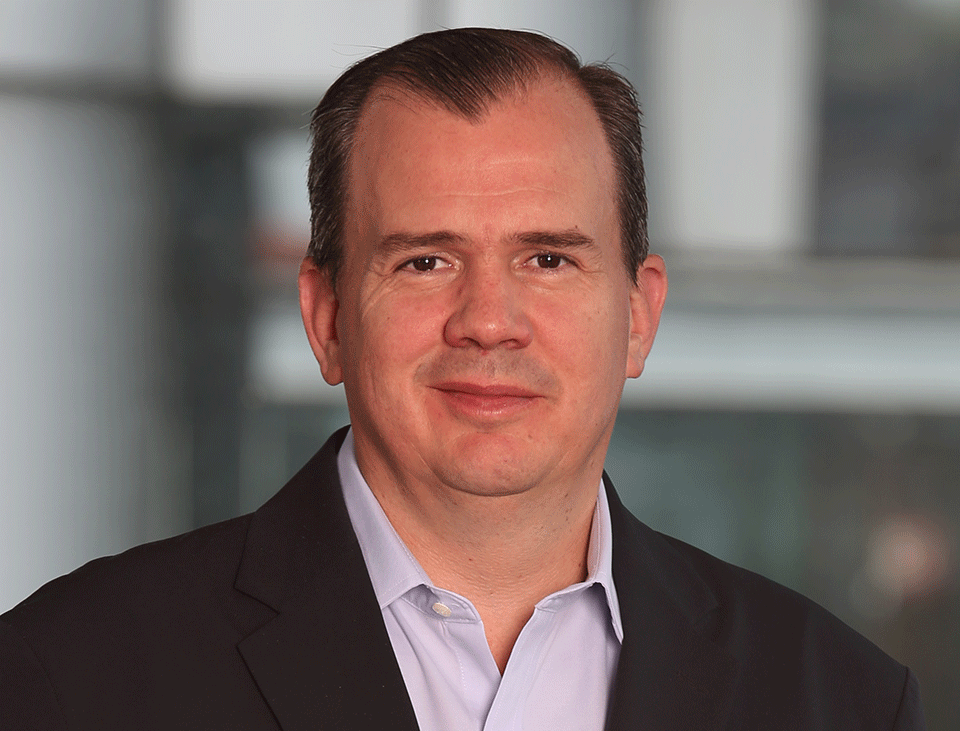
The company has kept a narrow focus and not expanded into other areas of investment banking. Yann Pavie, its founder and chief executive officer, says this approach has paid off for the firm, which was named by Euromoney as best M&A house in Kuwait in 2008 and 2010.
“We set up with a focus on mid-market M&A deals,” he says. “We thought regional firms were trying to do too many things too early, and focusing would allow us to have more of a competitive edge. As a result, we’ve done the most M&A deals in the region compared with any of our peers. We’ve done deals in almost every possible sector.”
The bank typically gets involved in transactions with a value of $25 million to $250 million, although it has done some work on larger deals worth up to $400 million.
Among its more recent publicized deals, it acted as the buy-side adviser for Kuwait’s City Group Company when it bought a 51% stake in the Jordanian firm Comprehensive Multiple Transportation Company in March 2010. It also acted as sole adviser to the Kuwait-based Alrai Media Group on raising $53 million for a five-year acquisition finance facility in June of that year.
|
We thought regional firms were trying to do too many things too early, and focusing would allow us to have more of a competitive edge Yann Pavie, GulfMerger |
 |
The bank is now advising on nine mid-market deals in the Saudi market alone. It employs 14 M&A bankers, with recent hires including Ramzi Abukhadra and Ghiath Refai, formerly of JPMorgan Chase and Morgan Stanley respectively, to work in its Riyadh office. It is also recruiting staff for its new office in Beirut. Most of the clients come from within the region, but the bank is in talks with companies from beyond the Middle East that are weighing up a possible entrance into the market. “This is an area that has potential and we’d like to play a role in that,” he says.
Alongside its core M&A advisory services, GulfMerger occasionally makes its own investments. According to Pavie, this is done on an opportunistic, rather than a structured, basis, and it has made two to date, in the telecoms and retail sectors. There are longer-term plans for the bank to expand into a wider range of product areas and countries, with the next market likely to be the UAE. However, it seems unlikely it will rush the process.
“Our vision is to build GulfMerger into a diversified mid-market investment bank, with a presence across every single geography in the Middle East,” says Pavie. “But we need to be realistic and we have to be systematic in our approach. In the next three to five years, our focus will continue to remain on the M&A side, but with a broader geographic footprint.”
GulfMerger has not released details of its financial performance, but Pavie claimed it has grown its revenues every year and is profitable. Given the difficulties many investment banks have faced in the region in recent years, the relatively cautious approach taken by GulfMerger appears to be working well.