 |
||
|
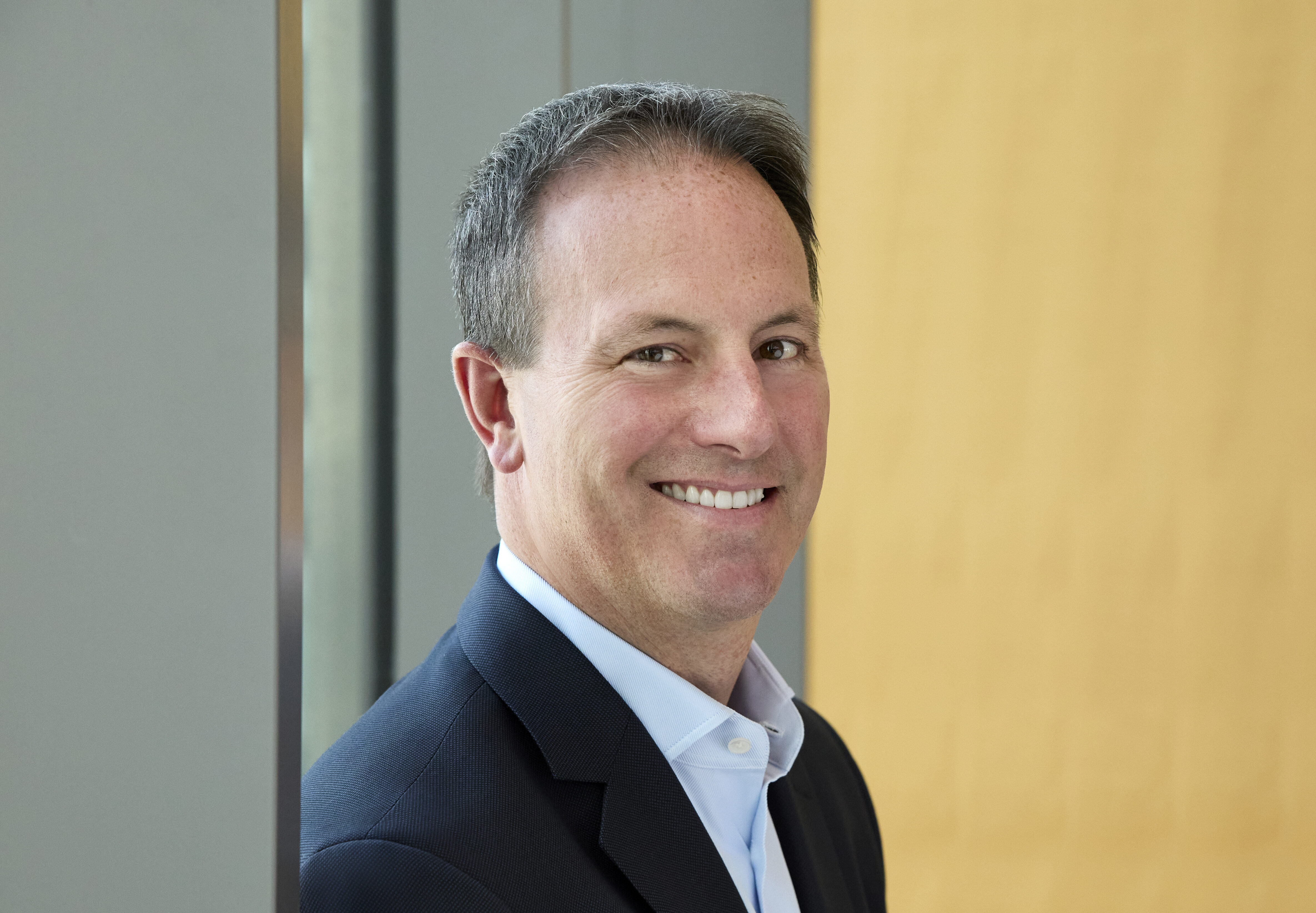
Jon Macaskill is one of the leading capital markets and derivatives journalists, with over 20 years’ experience covering financial markets from London and New York. Most recently he worked at one of the biggest global investment banks |
 |
|
Defining equity block trading facilities as dark pools could hardly have been calculated to give a worse impression of the new venues, with connotations of secrecy and possibly malign intent.
Early names for algorithmic trading systems did not project a commitment to market stability or fair play either. Credit Suisse dubbed two of its systems Guerrilla and Sniper, while Deutsche Bank plumped for Stealth.
The industry has demonstrated a preference for ill-judged product names across different asset classes.
US hedge funds and trading firms based away from Wall Street have an odd tendency to choose names that appear to be designed to be scary. Wolverine Trading is a Chicago-based proprietary dealer and execution agent that boasts on its website of its “unwavering integrity”. It seems a pity it chose a name that evokes uncontrolled aggression instead.
Some selections appear designed to provoke regulators. Naming a hedge fund Pirate Capital might have seemed amusingly swashbuckling to former Goldman Sachs distressed debt trader and founder Tom Hudson in 2002, but he only had himself to blame when an SEC investigation and client withdrawals hit the firm. Hudson later changed the name of the fund to Doubloon Capital, proving that you can’t keep a good man down.
Galleon could have been viewed as a name choice that was only slightly subtler for a hedge fund, as it conjured up images of a vessel for ill-gotten gains. Its founder, Raj Rajaratnam, is now under indictment for insider trading in a case that has already resulted in a jail term for former Bear Stearns managing director Mark Kurland.
The structuring boom in the approach to the bust of 2008 was a rich source of brazen name choices. Citigroup structurers led the way, with some credit staff dubbing a vehicle for hiding Parmalat liabilities buco nero (‘black hole’ in Italian), before others became involved with bogus accounting partnerships developed by Enron with names including Chewco, Jedi and Raptor. Citi’s rates group did not stand idly by – in 2004 London-based traders dubbed a government bond exploitation scheme Dr Evil.
An old hypothetical standard of conduct in the financial industry was whether or not you would be happy to have your behaviour detailed on the front page of a newspaper.
A new standard might be whether you are prepared to have your actions – and those of your subordinates – questioned in front of a congressional or parliamentary hearing. Perhaps the prospect of increasingly regular appearances by bank chief executives in front of politicians will dampen the appetite of junior staff for unsuitable product name choices. Embarrassing senior management can have only one end for a mid-level banker.
An editorial error in last month’s column cut off the end of a quote attributed to a Democratic politician: “If you can’t take their money, look them in the eye and then vote against them anyway, you have no business being here”.
It is an enduring insight into the political mind, however, as the passage of the financial reform bill in the Senate in late May demonstrated. Recipients of lavish Wall Street spending through the years proved all too willing to rise above these ties in voting for reforms that will cut industry profits. If Democrats are not seen to help in a last-ditch bid to adulterate elements of the bill such as splitting off derivatives units, then the traditional even split between financial industry donations to the two main parties might soon be a thing of the past.