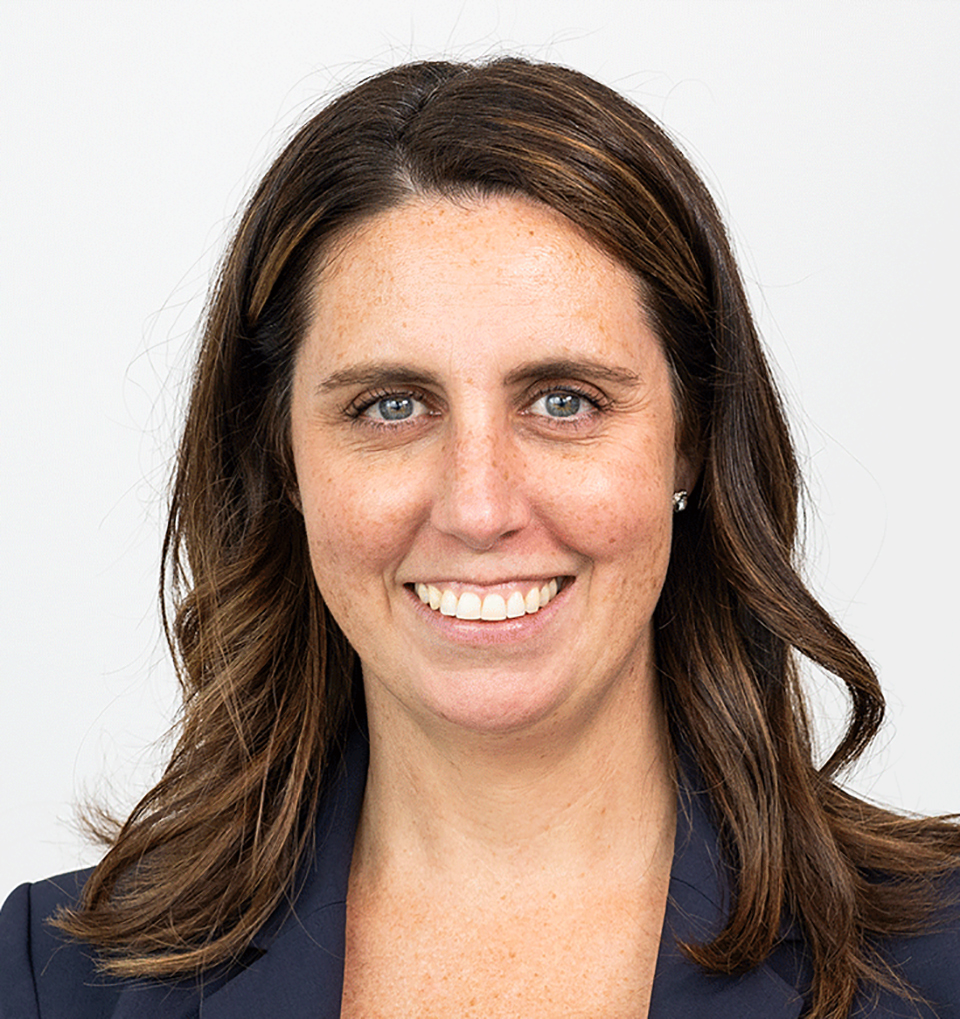
In his first two months in the job, Bernie Dan, chief executive of the Chicago Board of Trade, has made two quick and bold decisions. It was the second that got the most publicity: the announcement to dump the exchange’s joint venture with Eurex in favour of using the Liffe Connect trading platform.
Dan says his objective is “to make the Board of Trade a much more independent marketplace, building off transparency, liquidity and ethics. Our users are demanding more in tools and capabilities to enable multiple trading strategies. And Liffe Connect has an open architecture, so we’ll be able to integrate the floor liquidity.”
Combining cash and futures
The decision to choose Liffe brought into sharper focus Dan’s first decision. Announced a week before Christmas, it took the markets completely by surprise. The Board of Trade would be listing its futures prices on Cantor Fitzgerald’s eSpeed electronic platform.
|
Bernie Dan |
“The eSpeed announcement proves that the Board of Trade can work with outside partners effectively, even if there is a litigious history,” says Dan. “This one simple agreement puts together the two biggest pools of liquidity in the US government cash and futures markets.”
It’s taken a long time to get there. In fact, says Howard Lutnick, CEO of Cantor Fitzgerald and eSpeed, he approached the Board of Trade with a similar idea in 1996. “It was back in the era when Pat Arbor was chairman and Thomas Donovan president. I said that we should work together for great pitching and great hitting. Let’s just say that they showed less than no interest.”
Each then spent years, and small fortunes, trying to compete in each other’s space. The Board of Trade made the first move, setting up a cash-trading unit called the Chicago Board Brokerage. Cantor followed with its own futures exchange. They spawned some of the most vitriolic accusations from either side, but especially from the Board of Trade, which lobbied the CFTC, Congress and anyone else who would listen, and sent out numerous press releases denouncing Cantor’s plans, in an attempt to kill off the project. It failed, as did the exchange, and as also did the Chicago Board Brokerage.
The Cantor Exchange remains nominally in operation. “It’s still in existence, and I don’t expect it not to be,” says Lutnick. “Not US treasuries, though. I expect it to be trading other, very different, products over time.”
The talks between the Board of Trade and eSpeed started a couple of months after the two came to an agreement over the licensing of the Wagner Patent for electronic trading owned by eSpeed. It then only took a couple of weeks to negotiate the deal.
Market professionals wonder what this arrangement might mean for the FCMs and the exchange. “Why go through a futures commission merchant any more if you can trade futures via the eSpeed screen,” asks one. “It could hit FCMs’ commissions hard. And it might even hurt the exchange as there’d be less need to be a member.”
But that doesn’t appear to be the intention of the two partners, or at least not yet. Rather than trying to entice existing traders into switching to eSpeed, they’re looking to find traders who don’t use one of the products much. “We’ll create a basis market in cash futures,” says Lutnick. “We have a huge set of clients, primarily proprietary cash traders, who don’t have electronic access to the futures market in front of them. The Board of Trade, meanwhile, had excellent distribution to futures firms, but lacked broad global distribution to cash traders.” Hedge funds in particular might find an advantage in this.