
In July 2019, as part of a broad commitment to responsible banking, Santander unveiled 11 medium-term targets covering everything from management diversity and equal pay to renewable energy usage and the elimination of single-use plastics.
Arguably the most ambitious related to financial inclusion. By 2025, the Spanish group committed to financially empower 10 million people across its countries of operation.
For Santander, this means giving unbanked, underbanked or financially vulnerable individuals access to tailored financial solutions, providing them with credit to start or run their businesses and improving their financial resilience through education.
Shortlisted
- BNP Paribas
- Citi
The group’s retail footprint makes it uniquely qualified to address these issues. Santander currently serves 150 million customers across Europe, Latin America and the US.
Since last year its financial inclusion activities have been coordinated under the umbrella of Santander Finance for All, a global programme comprising a range of initiatives tailored to the needs of its diverse markets.
The biggest focus for Santander’s financial inclusion drive is Latin America, where the group has a leading presence in six countries.
Key initiatives for improving access to financial services across the region include Superdigital, the group’s flagship mobile platform for making cash deposits, withdrawals and payments. Available in Brazil, Mexico and Chile, the service has already financially empowered nearly 200,000 individuals.
Santander subsidiaries also provide services tailored to their local markets. Cuenta Life in Chile, which offers access to bank accounts for the underserved, helped more than 230,000 people last year, while Santander Mexico has a suite of products for low-income retirees.
In Argentina, Santander has eight financial inclusion branches that serve 23,000 people in neighbourhoods in Buenos Aires that previously had no banking services.
Financial inclusion in remote and sparsely populated areas is also a focus for the group in both Latin America and western Europe. In September 2020, Santander partnered with Spanish postal service Correos to offer basic financial services at 4,675 rural post offices.
Meanwhile, elderly customers across the group’s markets, including Spain, the US and the UK, received targeted support in accessing digital banking services last year following the start of the Covid crisis.
Similarly, when it comes to the provision of finance to underserved communities, Santander has focused on mature as well as developing markets.
Initiatives
In the US, the group’s Inclusive Communities plan includes affordable housing and home improvement products, while in Spain Santander is building a portfolio of social homes for rent. Other initiatives in western Europe include programmes for individuals and small and medium-sized enterprises in financial distress.
In Latin America, Santander has been active in microfinance for nearly 20 years. Prospera, the group’s flagship product, is now available in Brazil, Uruguay and Colombia, offering digital credit provision and a 24-hour approval process.
In Mexico, Tuiio provides low-income households and the underbanked with digital services and products including tailor-made loans, savings accounts and insurance. It has 85 branches and serves more than 72,000 customers.
In total, Santander last year disbursed €469 million in microfinance loans to 1.1 million customers, of which 59% were women.
The final pillar of Santander’s financial inclusion strategy is education. In Latin America, the group’s initiatives focus on vulnerable groups, students and people with disabilities, while in Europe they cater for the general public. In the US the emphasis is on personal finance management.
In the last three years we have financially empowered six million people. The impact can be life changing
Ana Botín
Key initiatives include Finance for Mortals in Spain, in which Santander volunteers deliver financial education sessions at institutions ranging from schools to vocational training centres, and Young Enterprise, a Santander UK project targeted at young people under 20.
Last year 716,000 people benefited from Santander’s financial education programmes, which were delivered via a range of platforms including face-to-face training, websites, videos, simulators and games.
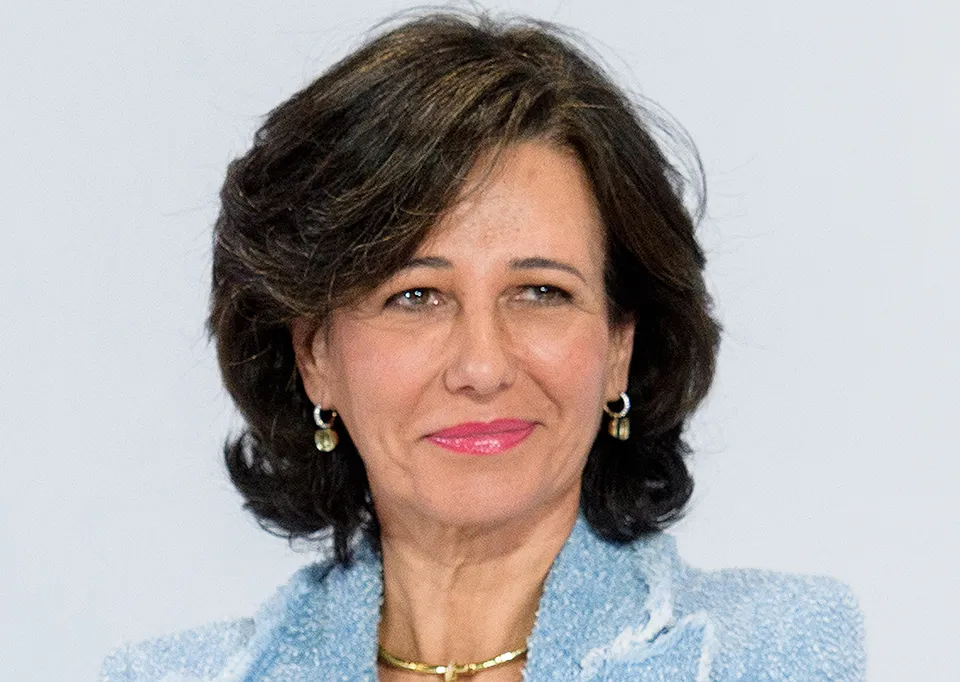
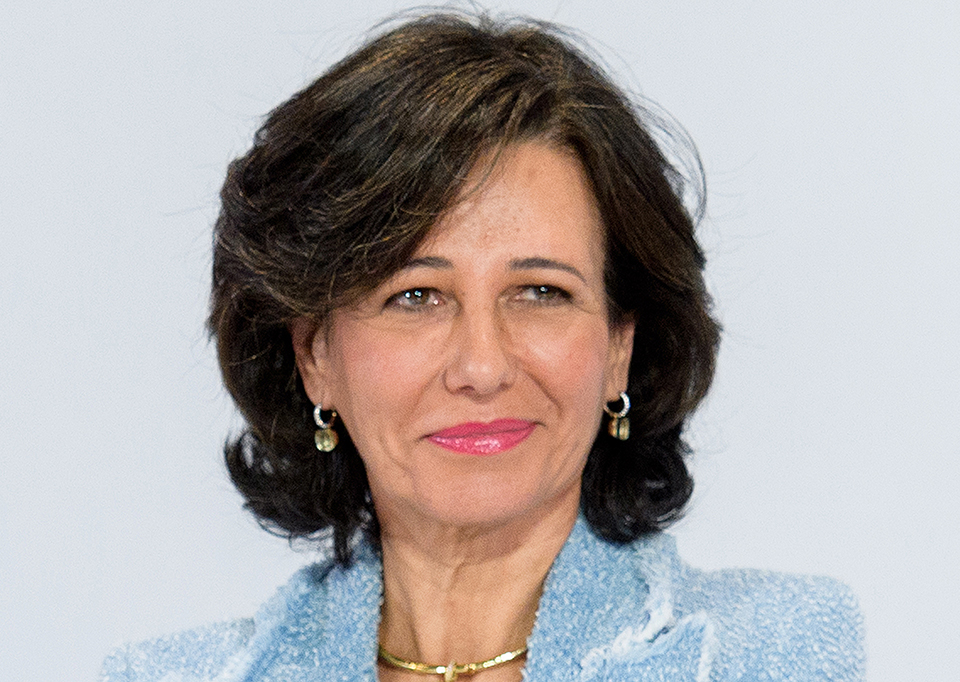
“In the last three years we have financially empowered six million people,” says Ana Botín, Santander Group executive chairman. “The impact can be life changing: from supporting entrepreneurs in setting up new businesses through our micro finance programmes to helping individuals who want to build confidence in using digital banking. This is critical to creating inclusive, sustainable growth.”
As with other banks, Santander’s commitment to its customers was also tested last year during the pandemic and it rose to the challenge, offering credit lines, payment deferrals, lower fees, Covid insurance coverage and support for vulnerable customers across its global network, as well as a host of local support initiatives.
The breadth of its ambition and its ability to deliver on its promises against the backdrop of the Covid pandemic make Santander the world’s best bank for financial inclusion this year.


