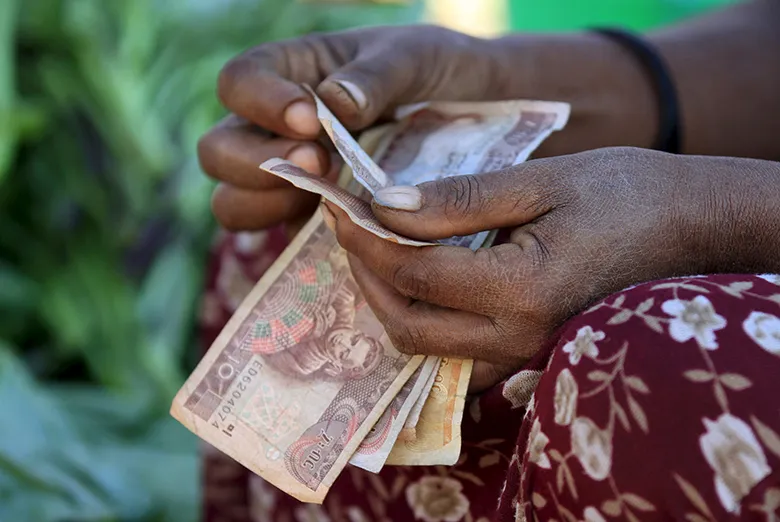
Fintechs have helped make financial services available to people that banks have long struggled to reach, but this has come at a price.
Default rates among digital borrowers in Tanzania, for example, have reached 31% and in Kenya 12%, according to a survey by the Consultative Group to Assist the Poor (CGAP), a global partnership of more than 30 development organizations housed within the World Bank.
This is making a bad situation in Africa considerably worse.
Loans that are not repaid get the borrower blacklisted, blocking people from taking loans on more manageable terms.
Access intelligence that drives action
To unlock this research, enter your email to log in or enquire about access