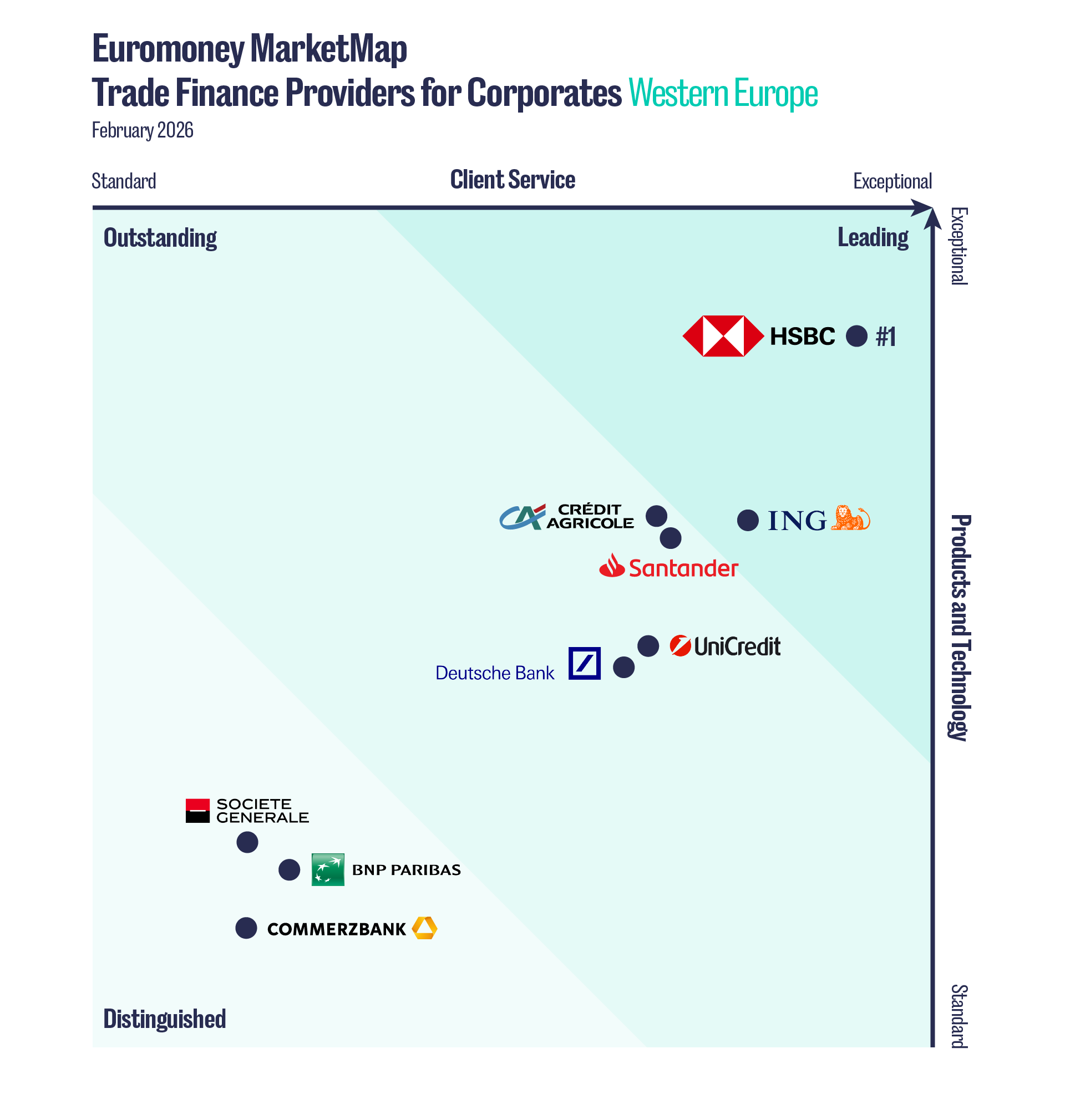
In mature, trade-intensive markets, corporates expect banks to deliver precision, clarity and speed across borders, particularly as supply chains become more fragmented and trade decisions increasingly carry strategic weight.
Two forces, in particular, reshaped the trade environment over the past year, pushing it firmly into the strategic spotlight. “The first is a combination of geopolitics and tariffs,” says Vivek Ramachandran, head of Global Trade Solutions at HSBC, “requiring companies to rethink supply chains and working capital requirements.” The second, he adds, is “the huge boom in AI spending and foreign direct investment that comes on the back of that,” forcing companies to reassess business models and liquidity needs in tandem. Taken together, Ramachandran describes 2025 as “a year which was unprecedented in the scale of change”.
The consequence has been a shift in how trade is treated inside organisations. “Trade is now on the agenda of CEOs and board conversations,” he says. “It’s no longer delegated to procurement teams and working capital is no longer just the purview of the corporate treasurer. These are strategic conversations at the highest levels.”
Consistency across borders
HSBC’s trade finance franchise in Western Europe is positioned around those expectations. The bank has leaned into an advisory role, while focusing on execution quality, operational consistency and deeper integration with client systems – attributes that corporates repeatedly highlight as differentiators.

Trade is now on the agenda of CEOs and board conversations. It’s no longer delegated to procurement teams and working capital is no longer just the purview of the corporate treasurer. These are strategic conversations at the highest levels.
Vivek Ramachandran, head of Global Trade Solutions, HSBC
For European corporates managing trade across multiple markets, operational consistency is critical. Regional and global treasury hubs are often responsible for coordinating activity across jurisdictions with different regulatory regimes, documentation standards and operational nuances. HSBC’s ability to offer a single trade platform across Western Europe allows clients to avoid the fragmentation that often accompanies multi-bank or multi-system setups. Core trade products are delivered through a unified infrastructure, HSBC Trade Solutions (HTS), reducing variation in processes and documentation.
That consistency is reflected clearly in client experience. An European manufacturing company highlights “accurate documentation and timely processing” as key strengths for HSBC, while a UK-based retail trade corporate notes that a documentary credit transaction “went through smoothly, ensuring no delays in shipping”. Another client emphasises operational simplicity: “all products grouped together on one portal. Easy access to help when required. Efficient and knowledgeable response from the relationship team.”
Execution as a differentiator
Client feedback suggests that execution is where banks most clearly differentiate themselves. A German industrial corporate operating primarily domestically highlights the importance of bank offering “local contacts, direct customer contact, quick feedback [and] reliable service” – attributes that become even more critical when those same standards must be replicated consistently across borders.
No other bank can match the products like HSBC. It is very easy to understand and use. The relationship manager and other concerned people who provide facilities are quite competent in their work.
Euromoney Trade Finance Survey respondent
Others stress predictability. A European manufacturing client again points to HSBC’s “accurate documentation and timely processing” as decisive, reflecting the reality that in trade-heavy sectors, even small discrepancies can delay shipments and disrupt production schedules.
UK-based corporates managing European trade flows echo similar themes. A retail trade client highlights how HSBC’s seamless execution “ensur[ed] no delays in shipping”, reducing the need for intervention and exception management by treasury teams.
Relationship-led delivery
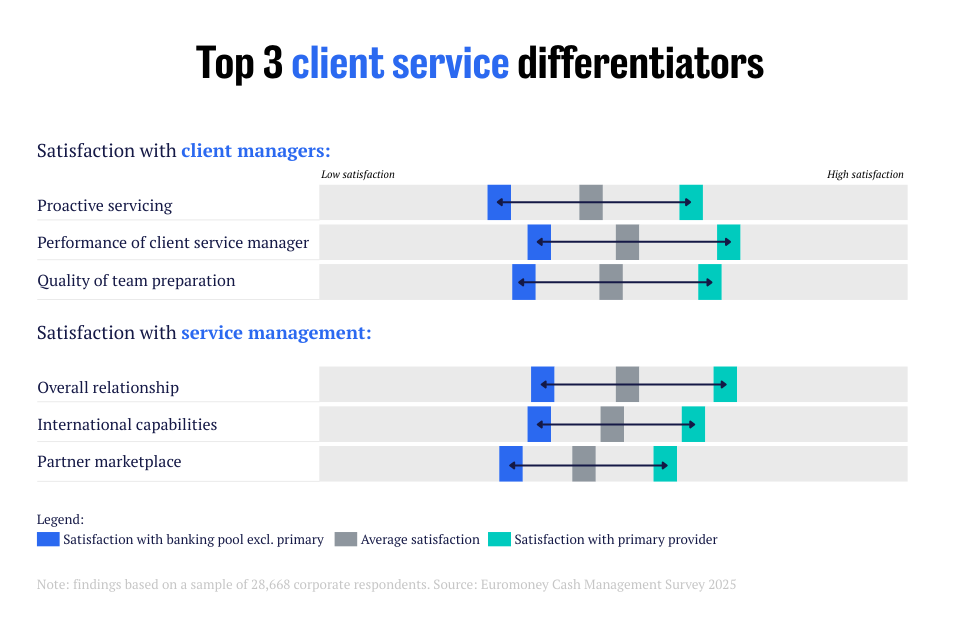
While platforms provide standardisation and visibility, corporates consistently underline the importance of access to informed relationship managers who understand both local market conditions and cross-border implications. As one European wholesale trade client puts it, HSBC “supports trade flows efficiently across markets and responds quickly when issues arise”.
Another respondent reinforces the point: “relationship management exceptional — the team have worked hard to find solutions for our varied businesses. Flexible and quick to react to our needs.” This relationship-led execution model is particularly valued in sectors with high trade intensity, where documentation errors or delayed confirmations can have outsized operational impact.
As trade becomes more complex and more strategic, corporates increasingly value access to experienced relationship managers who can interpret regulation, structure solutions and act quickly when circumstances change. For Ramachandran, that balance between platform strength and people is a defining differentiator. “We’ve demonstrated through our external hires that we are a magnet for talent. The ability to attract and hire the best people in the industry where we need to bolster capabilities is unique,” he says.
Technology grounded in execution
Across Western Europe, client feedback positions HSBC as being valued as much for reliability as for digital capability. Speed, accuracy and access to decision-makers recur as reasons for selection HSBC as the primary trade provider.
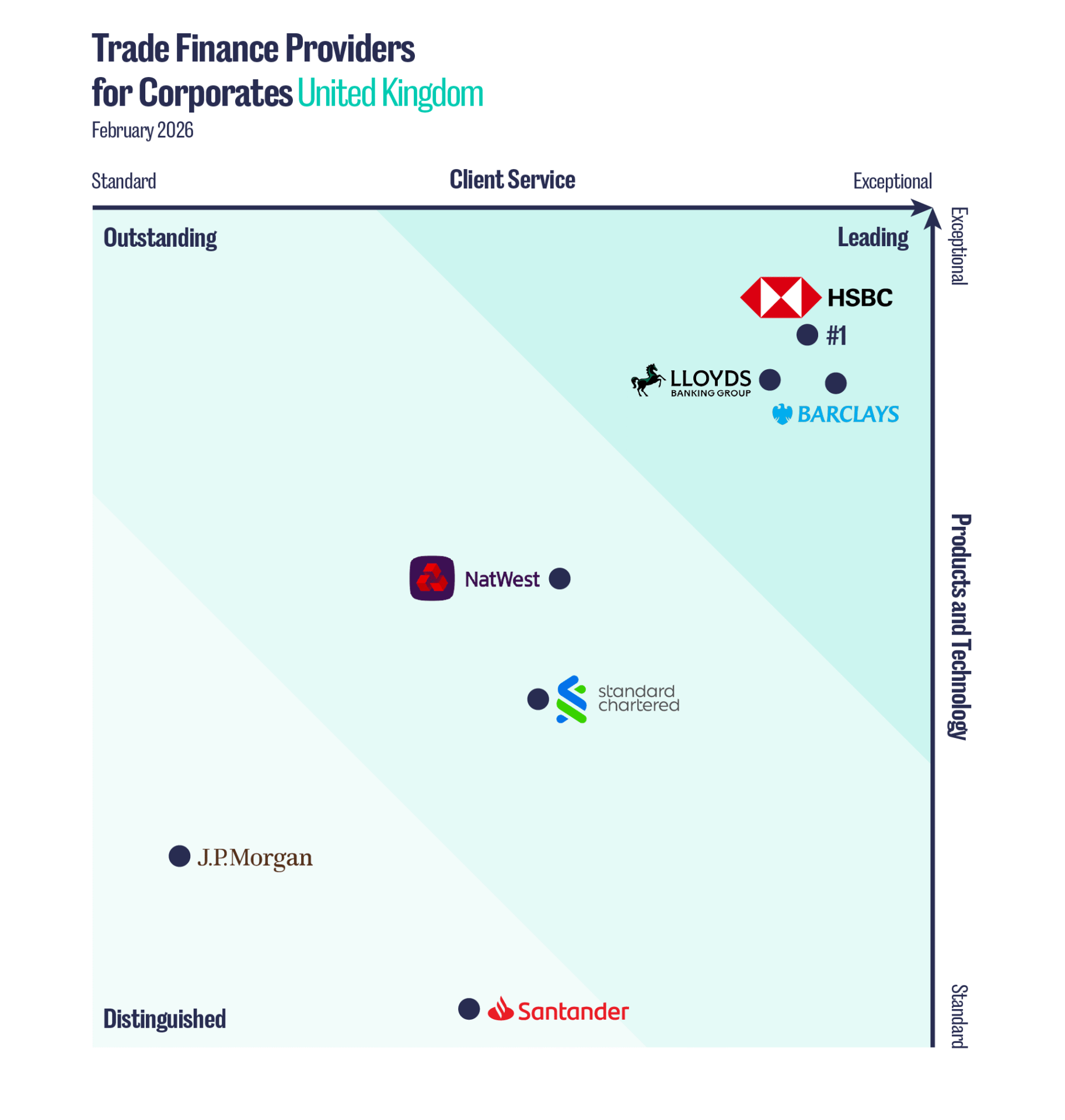
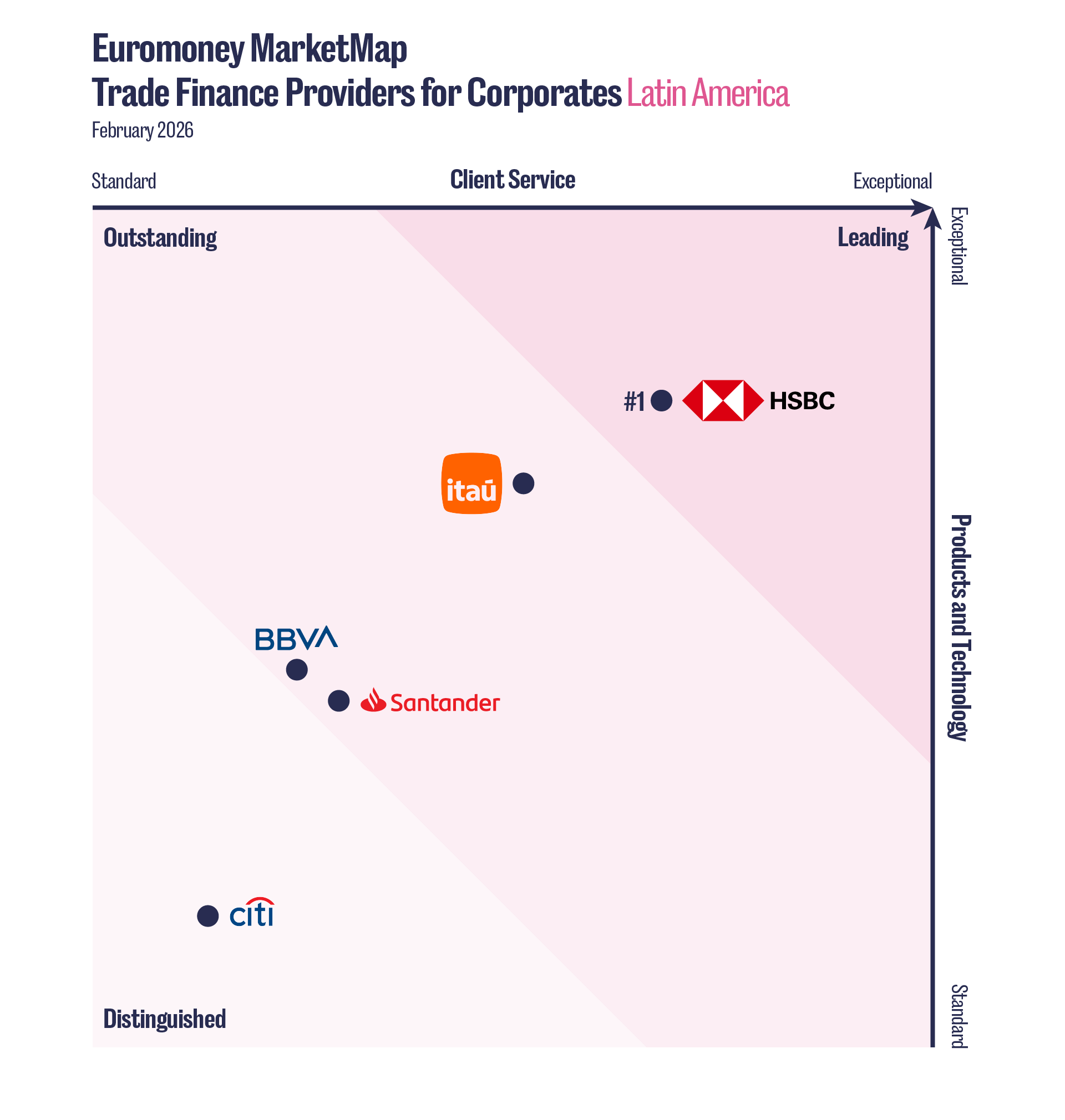
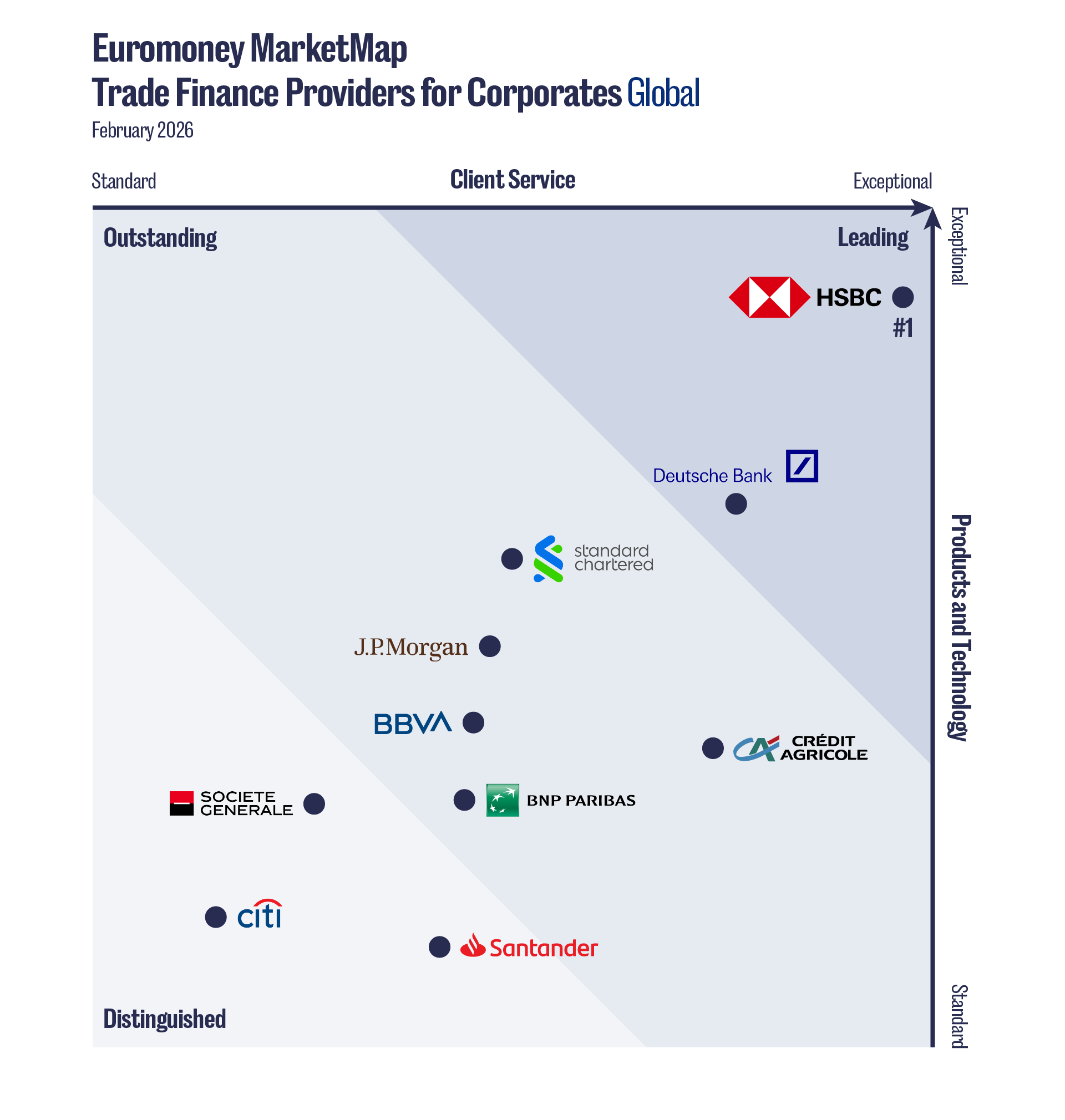
That positioning is reflected in client rankings. Technology emerges as a primary differentiator for HSBC across European respondents, while the bank is also ranked #1 for structured trade and working capital solutions.
As one client summarises: “no other bank can match the products like HSBC. It is very easy to understand and use. The relationship manager and other concerned people who provide facilities are quite competent in their work.”
As European corporates continue to adapt to shifting trade routes and regulatory complexity, the banks that succeed will be those able to combine consistent execution across borders with the flexibility to respond to change – a balance for which HSBC is widely recognised across Western Europe.