In the face of increasing competition among regional and global banks, HSBC has again demonstrated its financing strength and expertise in the Middle East across the breadth of markets, sectors and geographies it is a leader in.
This is particularly the case in equity and debt capital markets, infrastructure and export credit agency financing, markets in which HSBC was the leading bank last year – and by a big margin in some.
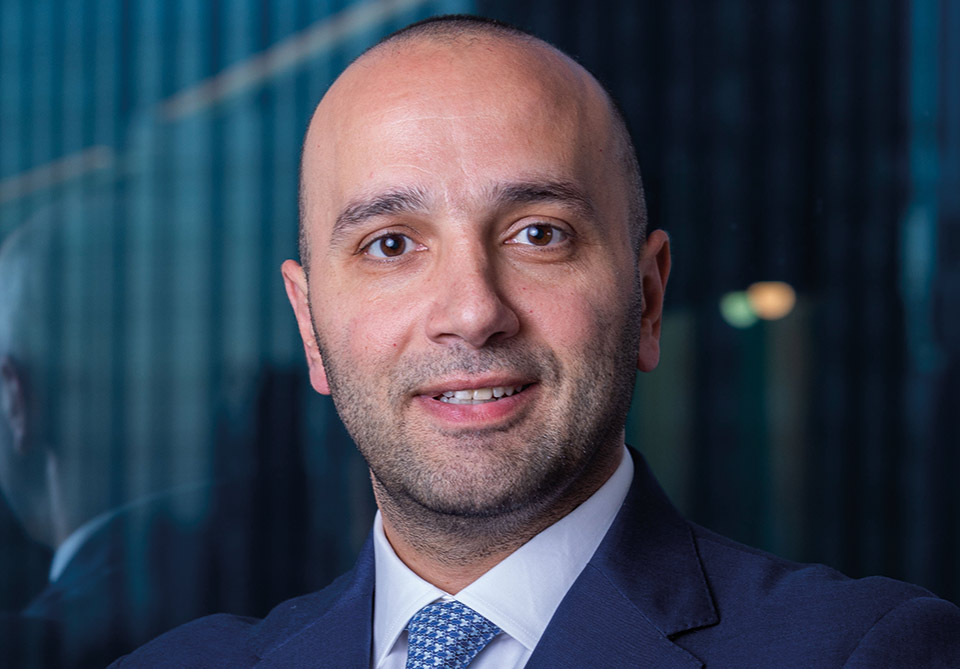
Its co-head of capital financing and investment banking coverage in the Middle East, North Africa and Turkey is Samer Deghaili.
Yet, HSBC also does well in other markets such as syndicated lending, sustainable finance and Islamic finance, areas where it is either second or third in the league tables, depending on the type of instrument.
Such all-round presence is a differentiator in this region and testament to the expertise the bank has on the ground and globally, as well as to the commitment and investment it continues to make in the region.
Standout deals in ECM involved energy group Adnoc Gas’ $2.5 billion IPO – the largest listing in Europe, Middle East and Africa in 2023, and the largest on the UAE exchange, ADX – and drilling service company ADES’ $1.2 billion listing, and logistic group SAL’s $678 million IPO.
The ADES IPO was the largest in Saudi Arabia last year, while SAL’s listing was the second largest from the logistics sector globally.
Other key equity transactions for HSBC – showing its expertise across sectors – include roles on the IPOs of Adnoc Logistics & Services, media company MBC Group, and alternative asset manager Investcorp Capital.
HSBC delivered a similarly strong performance across DCM, on international and local-currency bond and sukuk issues, as well as on environmental, social and governance-labelled issuance from debut and repeat borrowers.
HSBC has again demonstrated its financing strength and expertise in the Middle East across markets, sectors and geographies
What stands out is HSBC’s ability to execute across conventional and Islamic finance markets, highlighted by the inaugural green and sustainable dollar-denominated bonds for Mamoura Diversified Global Holding – owned by Mubadala, the Abu Dhabi sovereign investment fund – and the Emirate of Sharjah, and the debut dollar-denominated green sukuk for logistics group DP World and Aldar Investment Properties.
Across the year, some of HSBC’s most high-profile and complex DCM transactions were in sukuk format, including the ground-breaking two-tranche $3.5 billion inaugural sukuk for Saudi Arabia’s Public Investment Fund.
Capital markets financing is a clear strength of HSBC’s – an attribute supported by its power in other areas, not least its balance-sheet strength, which manifests in its syndicated lending, infrastructure and export credit agency financing capabilities.
The bank was the Middle East’s leading infrastructure and export financier last year, and a top three bookrunner of syndicated loans by value, which included transactions for a range of high-profile borrowers including QInvest, Qatar National Bank, UAE aviation services company DAE, Abu Dhabi investment group ADQ, Saudi oil services group Rawabi Energy, and aircraft lessor AviLease.