
CIMB Investment Bank is Euromoney’s best Islamic project finance house this year following its work on a range of transactions throughout the year, and for one in particular that stood out for its innovation and national importance.
The M$975 million ($204 million) green sukuk issued by RP Hydro Kelantan (RPHK) last summer was notable for not only being the largest greenfield non-recourse project financing in local-currency bond or sukuk format, but for funding the build and development of three small hydropower plants that will make an important contribution in helping Malaysia achieve its renewable-energy capacity ambitions.
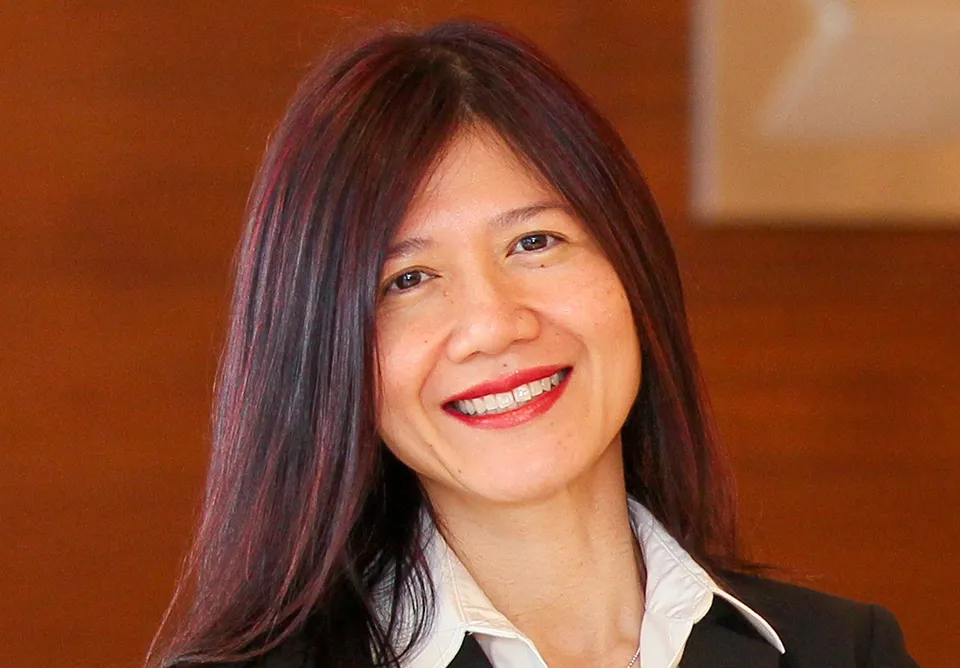
Its leadership includes Nor Masliza Sulaiman, regional head of investment banking, and deputy chief executive.
In total, the plants (Serasa, Kemubui and Kuala Geris) in Dabong and Kuala Krai in the state of Kelantan, will generate 84 megawatts of power, helping the country towards its ambition to increase renewable-energy composition to 70% of total generation capacity by 2050.
As part of this, Malaysia is expected to expand renewable capacity from six gigawatts to 14GW in the coming years.
RPHK is jointly owned by Rising Promenade, a hydropower technology company, and Malakoff Corporation Berhad, an independent water and power producer, via its wholly owned subsidiary Tuah Utama.
CIMB acted a sole financial adviser and arranger on the transaction, which included incorporating risk-mitigation measures to ensure there were no delays, cost overruns, or other construction-related risks.
CIMB acted a sole financial adviser and arranger on the RPHK transaction, which included incorporating risk-mitigation measures
Another transaction that highlighted CIMB’s expertise in project finance was the M$285 million green sustainable and responsible investment (SRI) sukuk for Solarpack Suria Sungai Petani (3SP), which was formed to build, own and operate a solar power plant with installed capacity of 91MW.
The project is also important in helping Malaysia achieve its target renewable-energy capacity levels, especially the most immediate target of 31% of total generation capacity by 2025.
