
Having continually demonstrated a strong business case for its financial inclusion programmes, Banco Santander again wins the award for the world’s best bank for financial inclusion.
It is always a good sign when a bank that reaches its goals ahead of schedule immediately sets itself more ambitious ones. In 2019, Santander had said it planned to reach 10 million individuals through its financial inclusion programme by 2025. By the end of 2022, it had already reached 11.8 million people and so has now extended its commitment to financially empower a further five million people between 2023 and 2025.
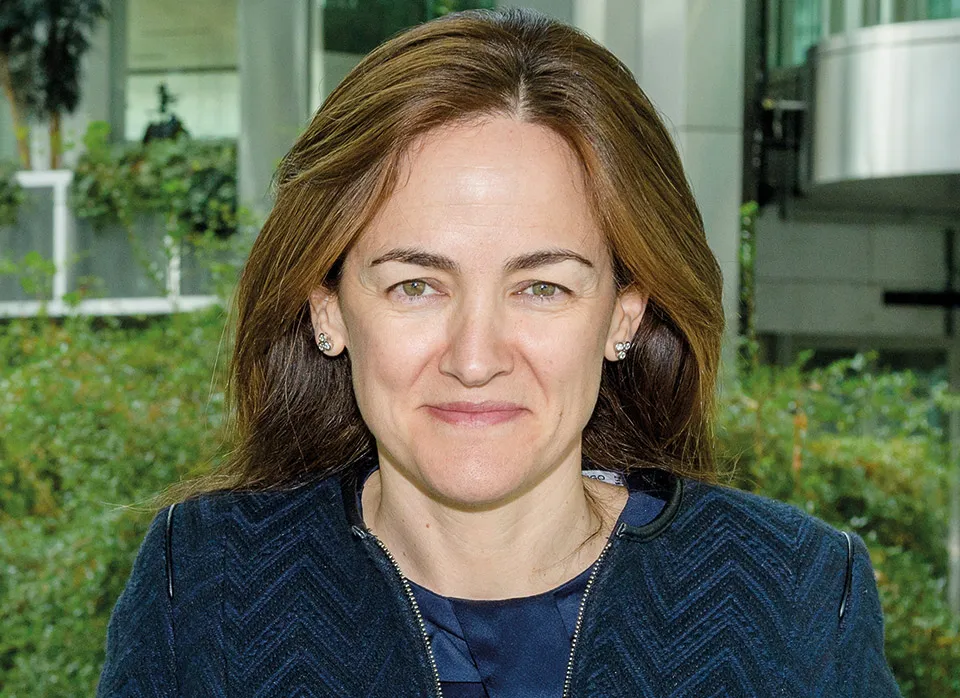
“The renewal of the target has been made in the proposals that are much more connected to business,” says Lara de Mesa, global head of responsible banking at Santander.
Santander’s financial inclusion strategy covers three pillars: access, financing and building resilience through education. These three things look very different in each of the regions that the group works in.
Shortlisted
- BNP Paribas
- Citi
“Being a global bank, it’s very important to us that our group proposal is tailored to local needs,” says De Mesa.
Santander’s responsible banking teams sit alongside the group’s retail banking branches and work collaboratively to deliver those tailored solutions.
Many of those needs are about gaining access to the financial system. In Spain, Santander counts more than 1,000 branch agents and 1,000 ATMs in communities with less than 10,000 people. In Portugal, the bank has 48 branches in small towns (among which, 18 branches are in the Azores and Madeira archipelagos), serving over 46,000 customers.

Last year, Santander helped 860,000 people access basic financial services, financed over 1.1 million retail customers and small and medium-sized enterprises struggling to get credit, and boosted the financial literacy of 1.3 million people.
Looking at its Latin American business, the bank has demonstrated that its inclusion strategy for underbanked areas makes financial sense.
“There is a clear business case for innovations like these, and we are proving these with numbers,” says De Mesa. “Through the use of technology solutions, we’ve been able to improve access to the financial system in Latin American communities.”
Santander’s flagship mobile banking app Superdigital facilitates money management and generates new economic opportunities for people who do not have access to the traditional financial system, and had reached 240,000 people by end of 2022.
Looking at its microfinancing activities, the business case is once again clear.
“The point is to tailor credit solutions to give underbanked individuals the right tools to launch and grow their small businesses,” explains De Mesa.
The group’s various microfinance programmes, including Prospera and Tuiio, are now well known and established. In 2022, Santander invested €950 million – up from €571 million in 2021 – in 1.6 million microentrepreneurs in Latin America, 71% of whom were women.
Instead of lending to the already established microfinance institutions in the region, Santander runs microfinance programmes itself that then allow micro-entrepreneurs to gain access to the ‘traditional’ retail and commercial lending products of the group.
Santander also stands out for its ability to identify all the structural reasons why access to credit might be difficult for some clients.
“In mature markets, we support low-income households, SMEs and individuals through debt renegotiation and cash injections,” says De Mesa.
Our solutions are more comprehensive because we add an educational component
Lara de Mesa
Through its Inclusive Communities plan, the bank offers small business administration loans with less restrictive requirements in the US, which provides financial assistance to struggling communities. In Spain, Santander has loan solutions backed by mutual guarantee institutions for clients with limited means, offering them secure lines of credit.
Through its revamped venture capital arm Mouro, which backs startups with business models targeting people at risk of financial exclusion, Santander allocated €365 million to 42 fintech companies.
The bank also continues to pour resources into financial education to ensure the success of its inclusion initiatives.
“Our solutions are more comprehensive because we add an educational component,” says De Mesa.
Santander says it reached 2.7 million people through its financial education initiatives in 2022.
But the key to success is Santander’s efforts to embed itself in local populations, hiring agents that can leverage their personal networks to raise awareness about these credit solutions.
“In Brazil and Mexico, our networks of agents are part of the communities, it’s a bilateral, face-to-face strategy,” De Mesa adds.
With these local networks, Santander’s credit teams are able to have the conversations to guarantee that a loan will be used for working-capital purposes.
“The marketing strategy for these types of initiatives is different, you have to find new ways to raise awareness,” she says.


