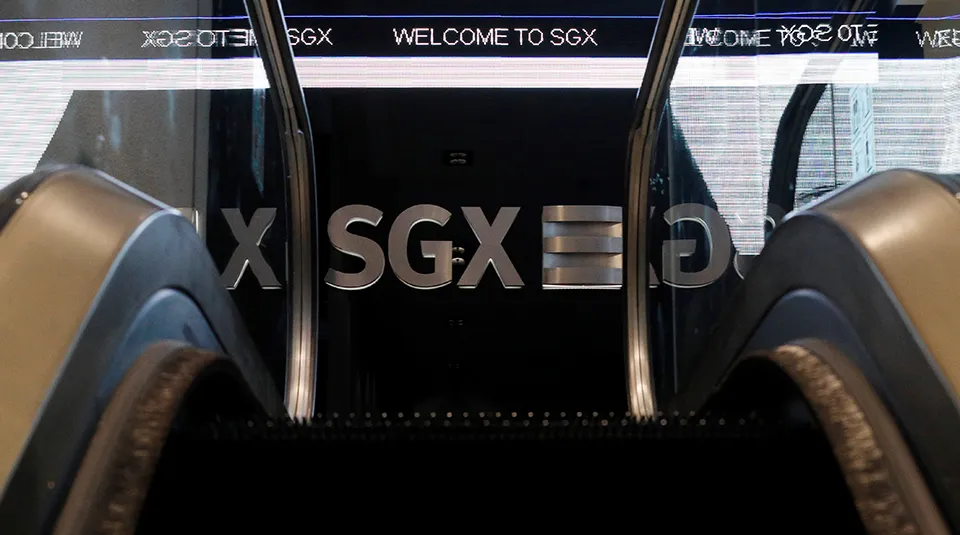
It should surprise nobody that Singapore Exchange (SGX) is thinking of allowing special purpose acquisition company (Spac) listings. If anything, it is odd it has taken this long.
Spacs raised around $81 billion in 2020 across 250 IPOs, mostly on North American exchanges. The phenomenon has caught the attention of entrepreneurs and venture capitalists in Asia, all of whom, so far, have headed to New York to raise their money.
So why wouldn’t SGX, badly in need of a spur to new listings, seek to provide a source of funds closer to home?
The story of Spacs in Asia in effect starts with Antony Leung, Hong Kong’s former finance secretary and a former Blackstone Greater China chairman, who raised $1.5 billion through a Spac structure on the New York Stock Exchange in 2018. He eventually used it to buy United Family Healthcare from TPG Capital and Fosun Pharma in 2019.
Suitably impressed, many of the biggest names in Asia have followed.
Citic Capital raised $240 million in February. Hong Kong tycoon Richard Li and venture capitalist Peter Thiel, through their Bridgetown Holdings vehicle, raised $595 million in October and are understood to be in the market with a new vehicle, Bridgetown 2, for another $200 million. Raymond Zage, the former Farallon Capital executive, raised $276 million.
Other distinguished Asian names in the fray include Hong Kong hedge fund Maso Capital, Singapore healthcare entrepreneur David Sin, Singapore’s Vickers Venture Partners, Argyle Street Management, and Beijing- and Hong Kong-based Primavera Capital.
They are prompted into action by Asia’s 200 unicorns, with Grab, Gojek and Indonesian e-commerce group Tokopedia often touted as potential candidates to be merged into Spacs to facilitate swift listings.
Like all of you, we have noticed the popularity of Spac listings in other markets
Tan Boon Gin, SGX RegCo
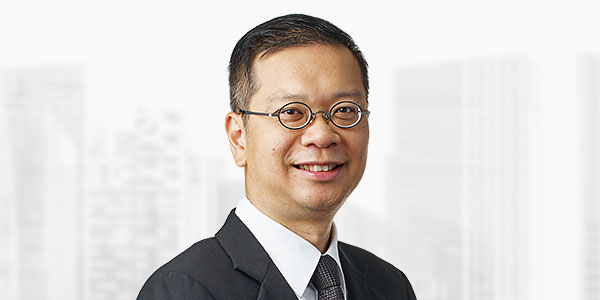
There have been whispers for a while that SGX was sounding out bankers and potential issuers, and confirmation came in a briefing on Monday by Tan Boon Gin, CEO of SGX RegCo, the regulatory arm of the exchange.
“Like all of you, we have noticed the popularity of Spac listings in other markets,” he said. “We have received enquiries and expressions of interest to do so with such a structure.” SGX first consulted on this back in 2010, he says. “We are now thinking, given the popularity of such a listing structure, whether to revive that consultation.”
Euromoney understands it is doing more than just thinking and will begin a formal consultation within two months.
In the background, as always with SGX and Singapore generally, is Hong Kong. Their rivalry as financial centres for Asia covers all areas of financial services and this is no different.
The truth is, Singapore has been left behind in the hunt for tech listings; suitable candidates either go straight to Nasdaq, Hong Kong – which has had a great bounty with so-called homecoming listings of Chinese tech issuers that had listed in the US first – or do not list at all.
SGX has tried tie-ups with Nasdaq and Tel Aviv, but neither has amounted to much. And – here is the clincher – Hong Kong Stock Exchange cannot take Spac listings because it has strict rules on backdoor listings, having had battles with shell companies.
Concerns
So it is natural Singapore should go this way, but not everyone is impressed. Sponsors, of course, love Spacs: why wouldn’t they? But what of investors?
Emir Hrnjic, head of fintech training at the Asian Institute of Digital Finance, National University of Singapore, wrote in December that “Spac costs are opaque and exorbitant”, largely because of the dilution of Spac shares that come from sponsors being given 20% of the acquired company.
“Spac acquisitions attract companies to go public in difficult times,” he wrote. “Spac-acquired firms have lower growth opportunities, higher leverage and smaller size, and thus lower quality than traditional IPO firms.”
Concerns may be assuaged by SGX imposing investor-friendly constraints to the US Spac model, such as requiring that only qualified sponsors can raise these vehicles, and moderating the size of the financial gain that sponsors can achieve. This will all be part of the consultation.
This will be SGX’s challenge: putting enough regulation in to alleviate investor concerns about Spacs, without being so onerous that Asia-based sponsors decide it is simpler to carry on going to New York for their funds.