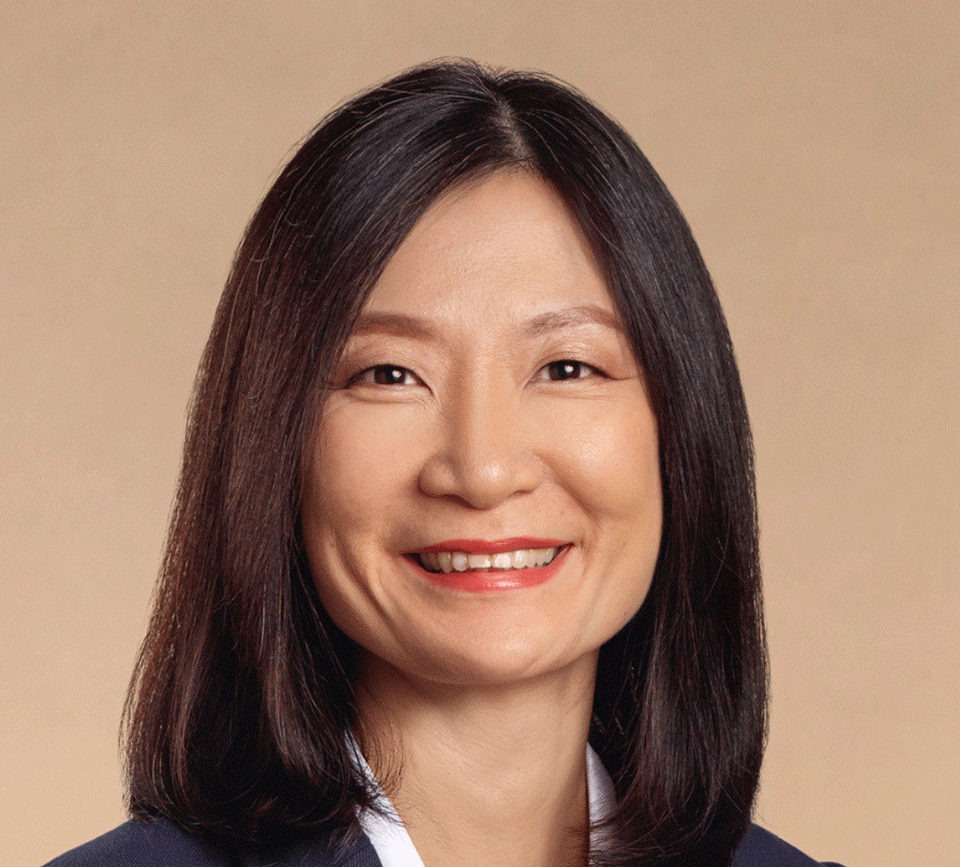
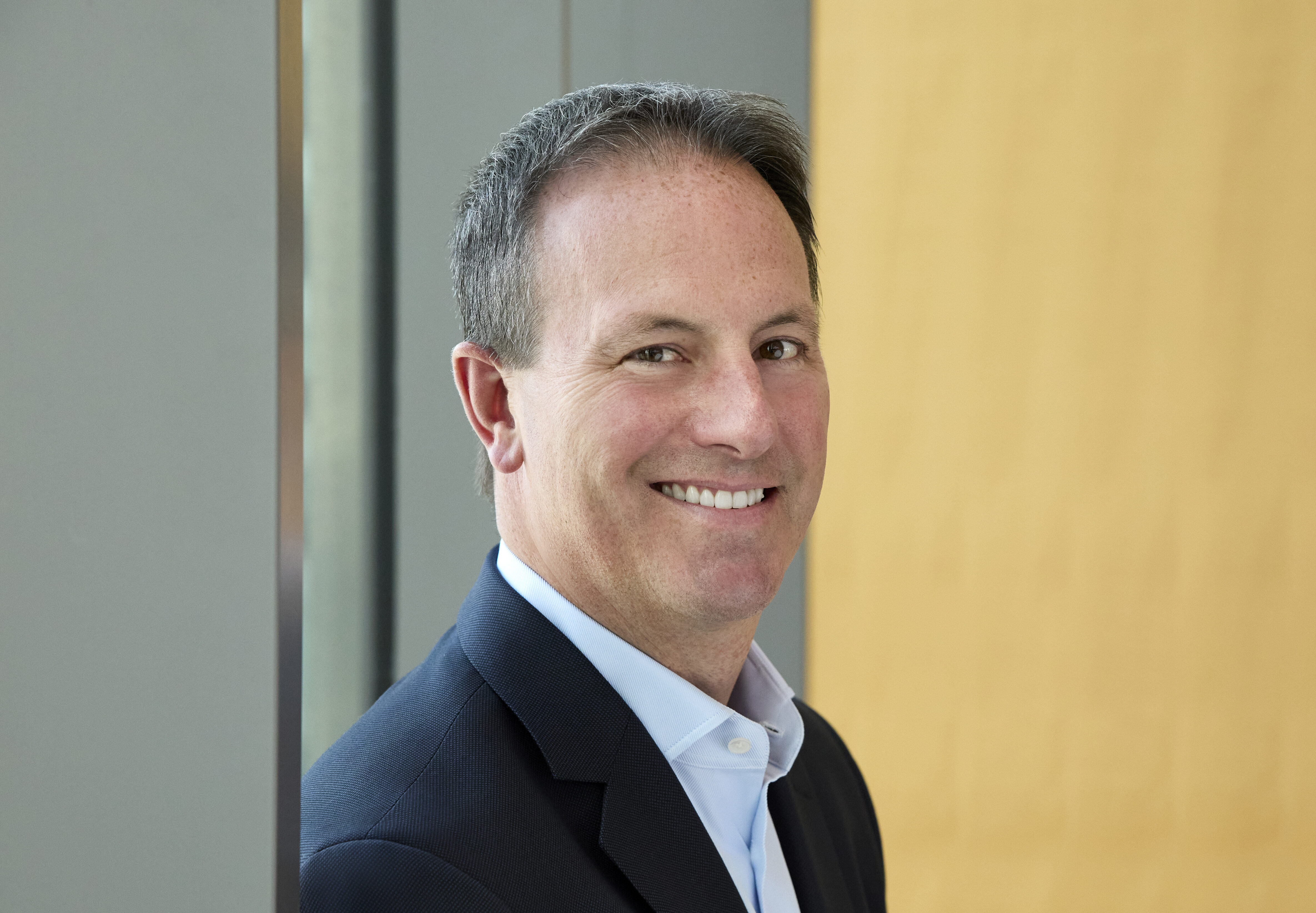
“The past is a foreign country; they do things differently there.” Those words from novelist LP Hartley came to mind on discovering that Stephen Williams will retire in July.
The quietly spoken UK banker’s career spanned two financial crises – one Asian in origin; the other Western in nature and global in reach – and winds down as we emerge from a pandemic that has rewritten the rules of finance and recast the role of the state.
Williams moved to Hong Kong in 1994 after studying geography at Cambridge. He joined JPMorgan as head of credit research before jumping ship to UBS, where he was made Asia head of debt capital markets, dividing his time between Singapore and Hong Kong.
Asia was a different place then. To most international lenders, it was a backwater studded with a few success stories.
Southeast Asia was still recovering from having the ground so brutally cut out from under its feet in the Asian financial crisis of 1997/98.
Talking of feet, back then China was still finding its own. When Williams joined HSBC in 2000 as Asia head of DCM – a position that steadily evolved into leading the bank’s entire Asia financing platform – its economy was a quarter the size of Japan’s, and an eighth the size of the US’s.
Colossus… and backmarker
In Asia – HSBC’s stronghold from the day it was born in 1865 – the bank was big in areas such as treasury, but a backmarker in international and local currency bonds.
Working with two of its best-and-brightest Asia operators, Gordon French and future CEO Stuart Gulliver, Williams’ remit was to transform the bank into a force in DCM, whether the issuer was printing debt or underwriting loans in US dollars or Malaysian ringgit.
There was a sense at the time that in Asia at least, HSBC was successful despite itself. Rival bankers knew that when – if – it shed its timidity and innate conservatism, it could wipe the floor with them. The big question was: could it?
Change was in the air. HSBC was sole books on Malaysia’s July 2002 global sukuk, the first of its kind ever printed by a sovereign. It raised $600 million, courtesy of a pioneering structure that appealed to conventional and Islamic investors, ushering in a brand-new asset class.
Another notable early success was Hutchison Whampoa’s November 2003 multi-tranche bond, which raised $5 billion and was done and dusted in three days. The deal remained the largest Asian bond for more than a decade and, in the eyes of many, was a coming of age for the region’s debt markets.
The HSBC veteran had ambition to burn, but went about things in the right way, with quiet and stoic resolution
The bank is barely recognisable as the one he joined. In 2000, it was lucky to be part of three debt-market prints a year. These days, it is not unnatural for HSBC to do that many each day, in currencies ranging from dollars to Chinese renminbi.
During his time at the UK lender, rising to the position of Asia head of capital financing, then to head of global banking for southeast Asia, Williams has seen it all.
In his early days in particular, he flew wide and often. A favourite memory, often relayed to friends over a bottle of wine and a cigar, was a flight from Singapore to Kuala Lumpur that he shared with a group of handcuffed deportees, sitting shoulder-to-shoulder with them in the back row of a Boeing 737.
HSBC sweated through the global financial crisis, then profited from its default status as one of the last universal banks standing. Years of scrutiny by the US Department of Justice weighed on the lender, but his team kept ploughing its own furrow.
Williams leaves a notable legacy. The numbers do not lie. He arrived with HSBC ranked in the lower reaches of the top-10 in Asia debt, and departs with the bank reliably ranked number one.
He also mentored well. It cannot be mere coincidence that so many talented bankers thrived under and alongside him. Alexi Chan, his long-term right-hand man, is now global co-head of capital markets at HSBC, while Helen Wong, a former chief executive for Greater China, is now group CEO of Singapore’s OCBC.
Absence of scandal
A final feather in his cap is the apparent absence of a whiff of scandal. Banks can get unlucky with clients, but HSBC, benefiting from Williams’ extensive connections in Malaysia, did well to see 1Malaysia Development Berhad (1MDB) for what it really was – a great vampire squid of a scandal waiting to happen – and to refuse to work with both it and its mastermind, the fugitive Jho Low.
Not many bankers are described these days as gentlemen, but Williams is by three individuals interviewed separately for this story.
“The consummate professional,” says one.
“A very convivial host,” another says, adding: “I hope he is retiring to spend time with his wine collection.”
His cellars in Hong Kong and Kuala Lumpur, and in his château in France, are admirably well stocked.
Well-spoken and polite, old-school in the right way, the HSBC veteran had ambition to burn, but went about things in the right way, with quiet and stoic resolution.
Banking needs more people like Stephen Williams. He will be missed.