Fourteen years ago, a flamboyant entrepreneur best known for beer and restaurants set up a new kind of financial company in Russia.
Oleg Tinkov’s brainchild, Tinkoff Credit Systems (TCS), eschewed bricks-and-mortar banking in favour of high-volume credit-card business. A remote-only model – which back then meant call centres and couriers – kept costs to a minimum.
Oleg Tinkov comes from a poor family in remote Siberia…
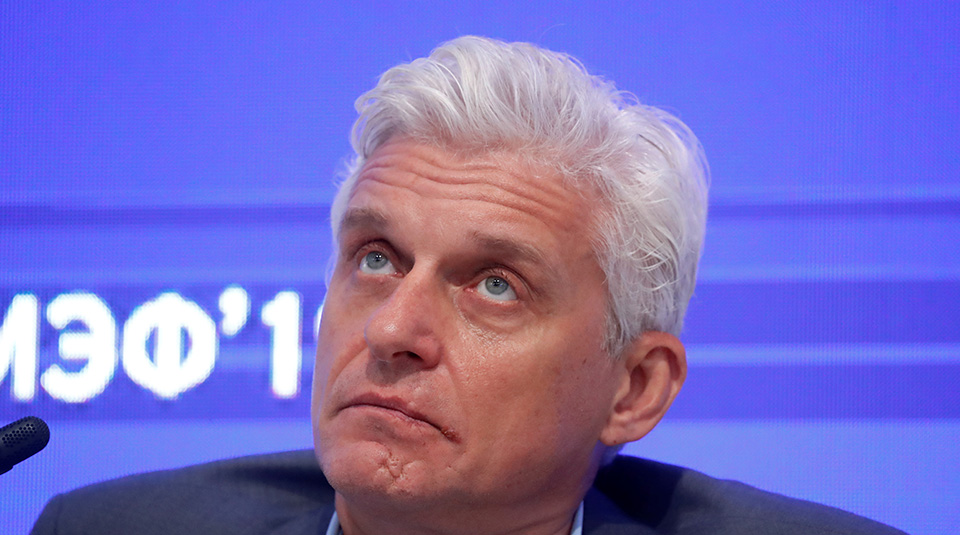
What the firm did spend on was marketing and customer service, both novelties for the Russian banking market at the time. It was also an early adopter of technology, quickly morphing into one of emerging Europe’s most innovation digital players.
As a result, TCS rapidly built a large following among Russia’s growing middle class and by 2013 was able to raise $1.1 billion in a London IPO.
Since then, the firm has steadily expanded its offering, adding a full range of retail banking services, as well as investment products, internet acquiring and even a mobile virtual network operator. Today, Tinkoff Bank – as it is now known – bills itself as a full-service financial ecosystem.
Now, it is set to become part of one of Russia’s biggest tech companies. On September 22, Yandex – originally a search engine, now involved in everything from ecommerce to taxis – announced plans to buy Tinkoff for $5.5 billion.
… whereas Nikolay Storonsky is a rich kid from Moscow
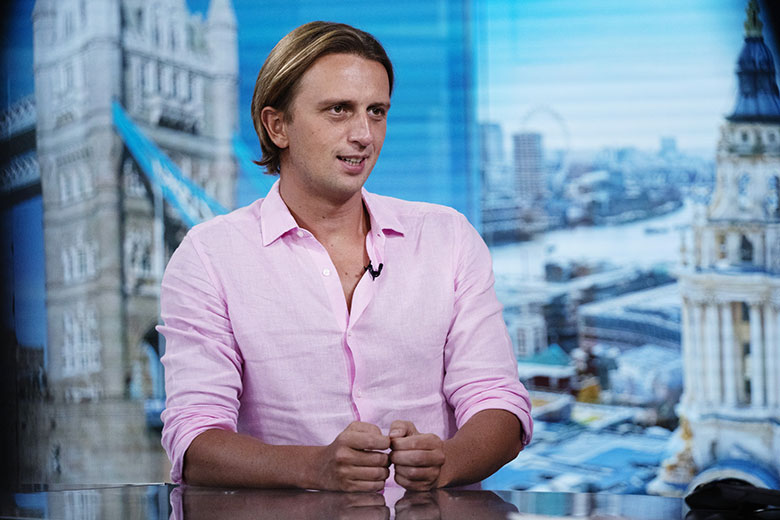
By a remarkable coincidence, this tallies almost exactly with the latest valuation for Revolut, another digital challenger bank with a high-profile Russian founder – Nikolay Storonsky.
There are other similarities. UK-based Revolut also started out in 2015 with a simple but well-marketed product that proved hugely popular, in this case pre-paid cards with free foreign exchange, and has since diversified into retail banking and investment services.
Both firms built their business models on client acquisition rather than balance-sheet expansion, with the result that today each boasts a customer base of around 10 million.
In other respects, the banks are as dissimilar as their founders. Tinkov comes from a poor family in a remote corner of Siberia and initially made his fortune as trading everything from jeans to electrical appliances in the last days of the Soviet Union.
Storonsky is a rich kid from Moscow who traded equity derivatives in London for a few years before coming up with an idea that acquired a firm grip on the imaginations and wallets of tech investors.
Tinkoff’s shareholders have so far had much the better deal. The firm has been consistently profitable, even during the Russian consumer credit crisis of 2013-14 and the subsequent recession, and more recently has regularly posted returns on equity in excess of 50%.
Revolut, by contrast, remains resolutely in the red five years after launch. Indeed, last year the firm’s losses more than tripled to £107 million despite a 180% jump in revenues.
Consider the numbers
Eager backers of neobanks and other fashionable consumer fintechs might want to take a minute to consider these numbers.
Offering cheap payments may be a quick way to boost customer numbers, but it requires expensive infrastructure and, in itself, offers meagre returns. Leveraging those customers into banking and other products is, as many fintechs are finding, a much more difficult business.
Consumer credit is a very different proposition. Provided you can get your risk management right – as Tinkoff notably has – it is hugely profitable in itself. It also creates a much stronger relationship with customers, which in turn provides a solid foundation for expansion and diversification.
Of course, Tinkoff’s success is also built on other factors, from a high-quality and stable top management team and good employee retention – both areas Revolut has struggled with – to a large domestic market.
But it is hard to entirely escape the conclusion that a bank with a profitable core business is a better bet than one designed to lose money.