Argentina needs a ‘real’ plan

Rebooting the financial system with a new currency could be what’s needed to give Argentina’s economy a way forward.

Argentina’s economy has tied itself into a Gordian knot. Undo the FX regulations and inflation, and its hard currency debt surges. Increase real interest rates to counter inflation and you knock the economy back into recession. Tackle fiscal deficits – delivered to the economy in terms of public subsidies – and prices and inflation rise again, and the government quickly loses the popular and legislative support it needs to manage the economy.

Argentine governments tend to stress gradual change, but are then exposed to the vagaries of luck over domestic and external variables. And Argentina hasn’t earned the right to be lucky. Move more quickly, however, and we’re back to the inability to maintain governability and implement its economic plans. That’s if the government has a plan at all: something today’s administration has singularly failed to articulate.

One problem is that, as one senior banker puts it: “We don’t have a currency. With inflation at 50%, the peso isn’t a legitimate store of value.” That’s one of the main reasons why credit-to-GDP is at an all-time low – even for Argentina – at around 12.5%.

Some economists suggest formal dollarization of the economy, but this isn’t a long-term solution. Lack of monetary sovereignty for an economy so geographically distant and financially distinct from the US would be to swap one set of intractable problems for another.

Reboot

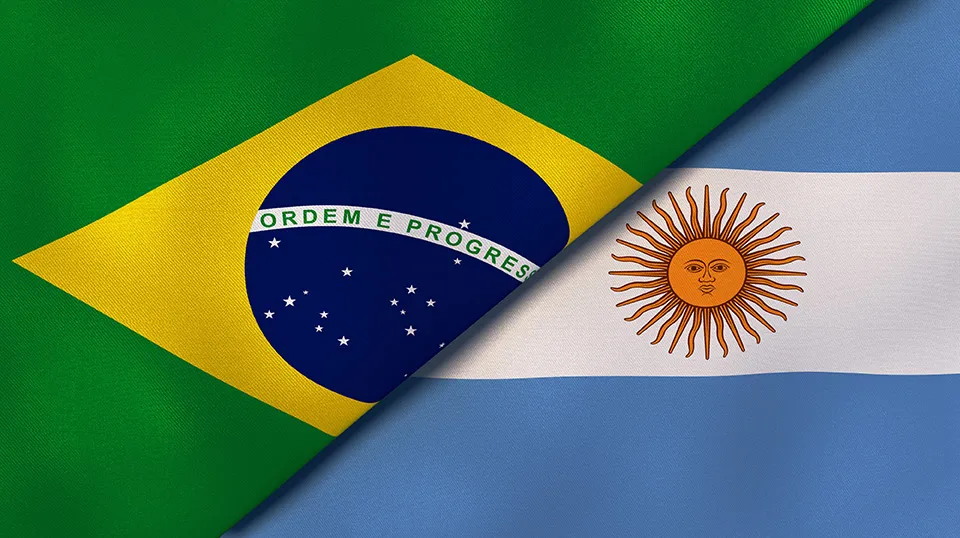
There is, perhaps, one way to untangle the knot. But it would be drastic: a complete reboot of the economy and the financial system. Argentina could undertake its own version of Brazil’s 1994 Plano Real – the introduction of a new currency based on strict fiscal and monetary rules.

That could damp down inflation in the near term and give the country the chance to start again with orthodox, linear interactions within the economy, rather than the mess of regulations and short-term monetary and fiscal patches that pass today for economic management.

Moving to a new currency could even be an elegant way for the IMF to write down the value of the huge dollar debt the country owes the fund. There is no real prospect of Argentina being able to reschedule the debt into anything like a reasonable timeline, and given its economic frailties it’s bordering on the unethical to expect it to.

Moving to a new currency could even be an elegant way for the IMF to write down the value of the huge dollar debt the country owes

The fund can’t write off debt – but an accounting trick when converting the debt to a new unit of account could lower the overall debt burden and give the country a chance to start again. In fact, Brazil’s Plano Real started with a high exchange rate relative to the US dollar and its currency actually appreciated in the early years – a positive omen for Argentina’s debt dynamics under such a system.

The one proviso for all this financial goodwill would be a strict new constitution that prevents its politicians from reaching for price controls and going back to regulatory interventions at the first sign of trouble. That assumes the same country but a different population: one that doesn’t instinctively vote for the politicians who promise easy solutions to hard challenges.

And, sadly, that is where this theoretical solution to Argentina’s problems falls apart.