 |
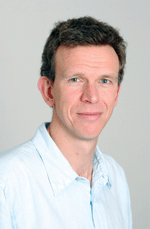
“We’re hopeful that we can help these organizations to understand how they can use their money more efficiently” Nigel Harris,New Philanthropy Capital |
“As you can see, we’re keeping our operating expenses down,” jokes Nigel Harris, CEO of New Philanthropy Capital, as he ushers Euromoney into a cramped and bare meeting room in its LondonBridge office. It’s probably a far cry from the plush quarters to which he was accustomed in his investment banking days at Schroders but such frugality seems appropriate to his new role at a firm that seeks to galvanize the charitable sector. By providing detailed analysis of charities to donors, New Philanthropy Capital hopes to help them direct their money where it will be best used. “We want money to be better allocated,” says Martin Brookes, head of research, “and then hopefully the realization that this is happening will encourage more people to give.”
The firm’s reports read like equity research notes, providing detailed analysis of a range of charities working on a given problem so that potential donors can give to the more effective organizations rather than simply selecting the most famous or the largest. “Giving to charity can be a bit like investing in continental European companies 30 years ago,” says Brookes, who was previously an economist at Goldman Sachs. “They’re not used to analysts, there’s no investor relations department and there’s no benchmark like the MSCI to compare their performance to.”
Collectivism
New Philanthropy Capital charges a fee for its services, taking 2% to 5% from each donation it advises on in order to meet its annual running costs of £1.5 million. Harris and Brookes are keen to emphasize that they see their firm’s work as part of a collective endeavour, and they say that they would welcome the arrival of more companies copying their model. A certain amount of responsibility comes with the position of advising the world’s richest on who to give their millions to, and if the charity research industry does indeed expand, questions might arise about the objectivity and accountability of these firms.
“That’s certainly a concern,” says Harvey McGrath, one of New Philanthropy Capital’s trustees, “and we’re sure that in time the sorts of activities we’re engaging in will attract attention from the Charity Commission in the UK. I think it’s possible but unlikely that we’ll see an official regulatory body set up for the charitable research industry but like all good markets I think it will be self-policing. As trustees we have to be absolutely sure that there are no conflicts of interest at this firm.”
Harris thinks there are many more areas where charities could benefit from a little capital markets-sourced rigour, especially when it comes to funding. “A lot of the firms we look at spend 20% to 30% of their capital on fundraising. Obviously it’s harder for them than most, but we’re hopeful that we can help these organizations to understand how they can use their money more efficiently. A lot of charities have asked us if they can use our reports for fundraising: they tell us that no one has ever looked at them in quite this way before.”


